Marie-Clémentine Dusabejambo On Directing Rwanda’s Oscar Submission ‘Ben’Imana’: “We Need To Understand What Happened” – Contenders London
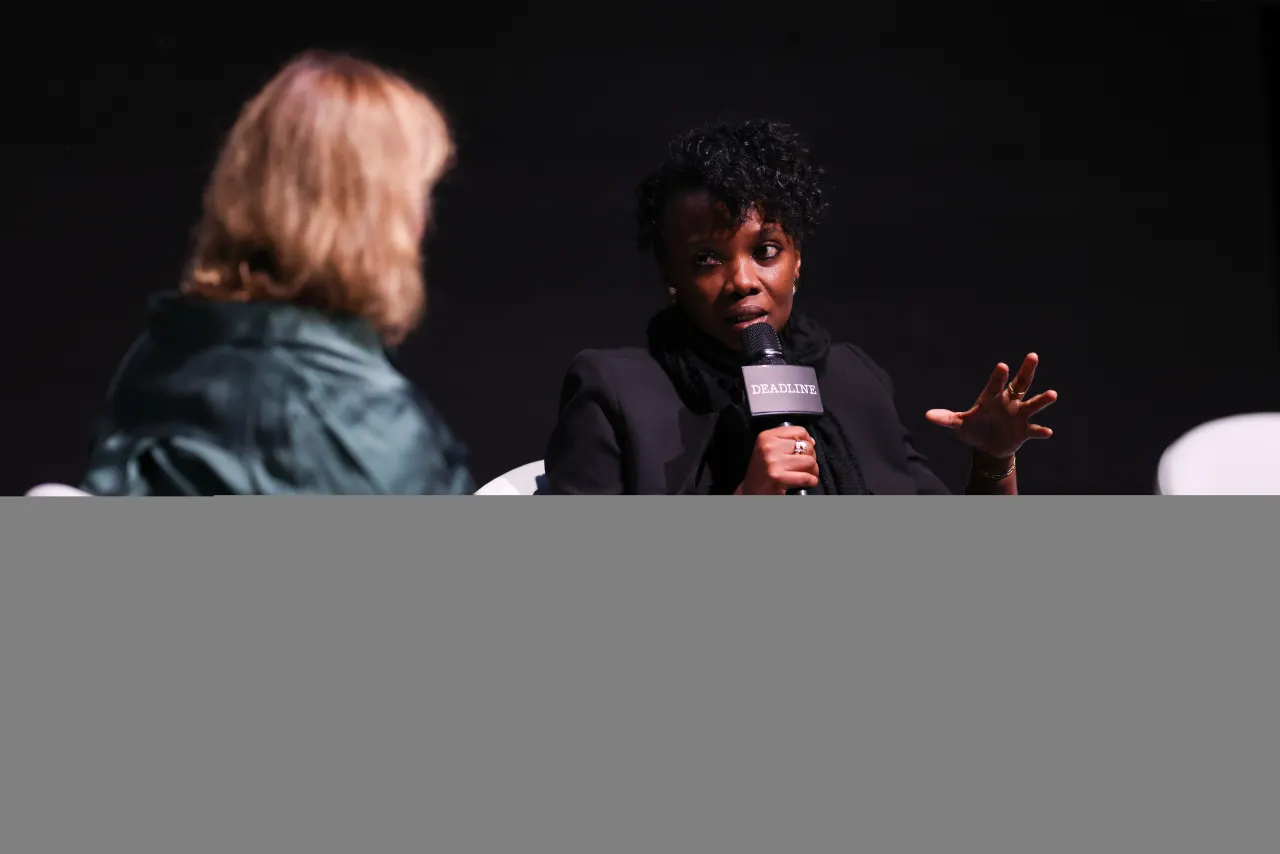
Rwandan director Marie-Clémentine Dusabejambo’s film *Ben’Imana* has become Rwanda’s first Oscar submission after being selected for Cannes, where it won the Camera d’Or. Set in 2012, the film explores survivors and perpetrators trying to reconcile 18 years after the genocide against the Tutsi.
Speaking at a London film event, Dusabejambo said she spent years developing the story to understand the history and challenge myths and stereotypes about those affected. She wanted to portray people without reducing them to victims or perpetrators, and described the film as a way to reflect on peace and the community’s future. Its largely non-professional cast and crew were mostly Rwandan, bringing personal connections to the story.
- *Ben’Imana* is Rwanda’s first Oscar submission.
- The film examines reconciliation after the genocide against the Tutsi.
- Dusabejambo sought a nuanced account shaped by Rwandan voices.
New here? Start with this
In 1994, Rwanda experienced a genocide in which approximately 800,000 people, primarily Tutsis, were killed over around 100 days. The violence was devastating and left communities fractured, with survivors and perpetrators living alongside one another for decades.
Ben'Imana is set in 2012, nearly two decades after the genocide, and explores how survivors and those responsible might begin to reconcile and understand what happened. The film features a largely non-professional cast and crew from Rwanda, bringing authentic perspectives to this sensitive story.
Director Marie-Clémentine Dusabejambo spent years developing the film to portray people involved without reducing them to simple categories of victim or perpetrator. The film has become Rwanda's official submission for the Academy Awards following its success at the Cannes Film Festival, representing an important moment for Rwandan cinema to tell its own story globally.