A Crimson Desert exec thinks critic review scores were lower because they didn’t have enough time to play it, and boy oh boy I wonder whose fault that is
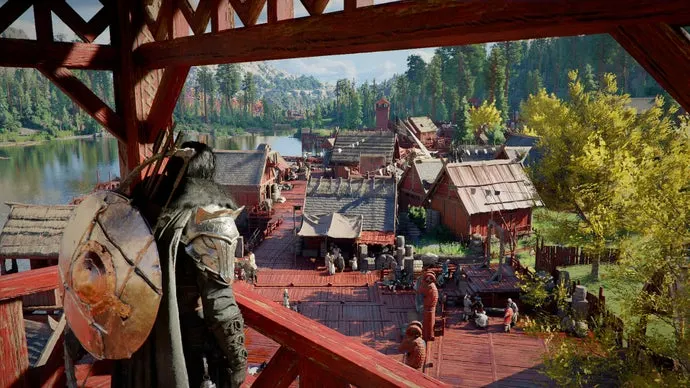
Pearl Abyss Europe CEO Lybee Park has suggested critics’ lower reviews of Crimson Desert may reflect limited time and access to a pre-launch version, leaving them less able to discover the game’s appeal. The article accepts that tight review schedules can shape impressions, especially for a large open-world game, but argues the developer also has a role in giving critics adequate time.
It also says critics assess a game differently from players who simply want to enjoy it: reviews aim to describe both engaging qualities and points of friction. A middling or negative review, the article argues, does not invalidate players’ enjoyment. Park said critics often follow the main quest, while Crimson Desert’s “tiny details” are spread throughout its world; the article provides no review-score figures.
- Lybee Park links critics’ reviews to limited time and access.
- Critics may miss details beyond Crimson Desert’s main quest.
- Reviews assess friction as well as what makes a game appealing.
New here? Start with this
Crimson Desert is a large open-world video game made by South Korean developer Pearl Abyss. Players can follow its main story or spend time exploring the world and finding smaller details along the way.
Game critics review new releases for readers, often before launch, and their schedules and access to a game can affect how much they play. Reviews assess both what works well and where players may encounter problems; they are one perspective, while individual players may enjoy a game regardless of its reviews.
Pearl Abyss Europe CEO Lybee Park has suggested that limited review time may have made it harder for critics to find what the game offers beyond its main quest. The discussion matters because developers decide when and how critics can access a game, while reviews help readers judge whether it may suit them.
Both sides, in good faith
The strongest fair case each way — we don't pick a winner.
The case for
A large open-world game may take longer to reveal its appeal than a review window allows, particularly if its distinctive details sit away from the main quest. Critics working to deadlines may therefore form an incomplete impression, and Park’s point is that more time or access could help them assess the game on its own terms.
The case against
Reviewers must evaluate what they can reasonably experience within the access and time provided, including how well the main quest and broader design engage them. If the game’s appeal depends on extensive exploration, that is relevant context, but it does not make critics’ assessments invalid; developers also influence review conditions by deciding when and how to provide access.