Netflix’s ‘East of Eden’ Adaptation Is Even Better When It Goes Beyond the Book
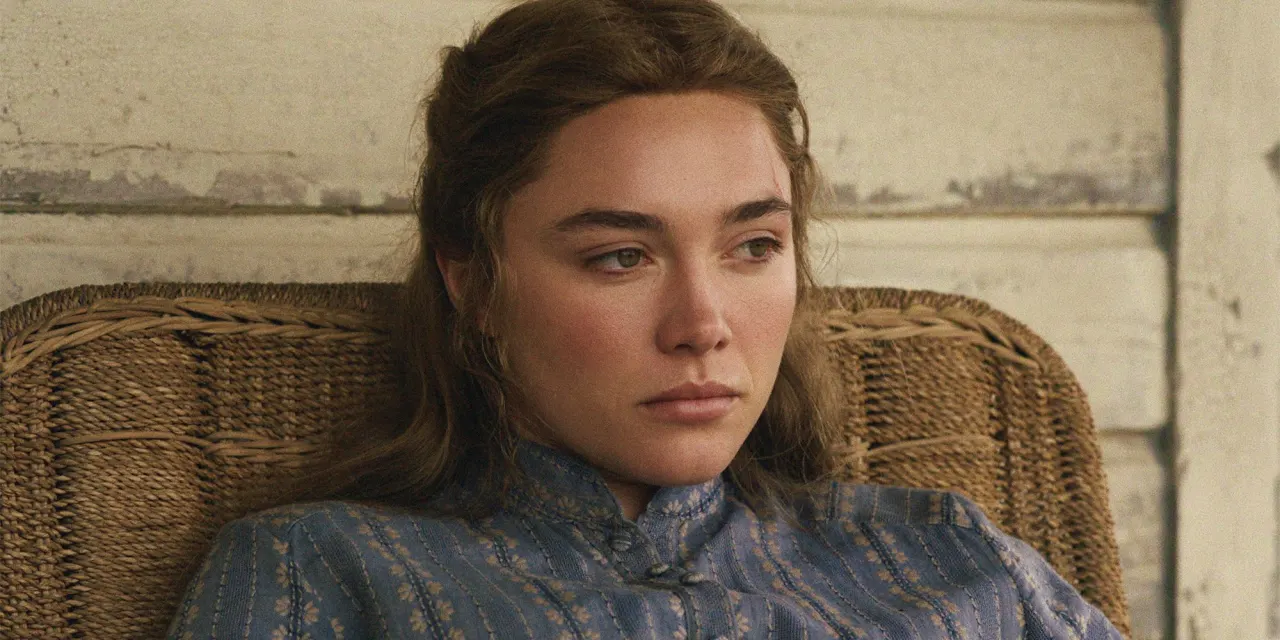
Netflix’s seven-part *East of Eden* adaptation follows the novel’s full generational story, but its most significant change is how it portrays Cathy Ames. Rather than presenting her as inherently evil, the series shows her as a child harmed by abuse and rejection, making her later cruelty more understandable without excusing it.
Florence Pugh plays the adult Cathy, whose childhood is shown through flashbacks, including a changed account of her relationship with teacher James Grew. The series suggests she was protecting herself from a predator, whereas Steinbeck’s novel implies she seduced him. The article argues this shift gives Cathy greater depth and highlights how a lack of unconditional care shapes her ability to trust.
- Netflix adapts the full story across seven episodes.
- Cathy is recast as a traumatised survivor, not an innate monster.
- A changed teacher storyline reframes her past and motives.
New here? Start with this
"East of Eden" is a celebrated 1952 novel by American writer John Steinbeck that follows a family saga across multiple generations. Netflix has now adapted it into a seven-part television series covering the novel's full story, though it makes significant changes to some key characters and plotlines.
The most notable change involves Cathy Ames, a central character played by Florence Pugh. In Steinbeck's original novel, Cathy is portrayed as inherently evil, whereas the television series takes a different approach, depicting her as someone shaped by childhood trauma and abuse, with flashbacks revealing how rejection and harm affected her development.
One significant shift concerns Cathy's relationship with a schoolteacher named James Grew. Steinbeck's novel suggests she seduced an adult, but the adaptation reframes this as Cathy protecting herself from someone preying on her. This reimagining illustrates how the absence of safety and care in childhood shapes someone's capacity for trust.
Both sides, in good faith
The strongest fair case each way — we don't pick a winner.
The case for
The adaptation's portrayal of Cathy as shaped by childhood trauma and rejection provides genuine psychological depth rather than treating her as inherently evil, reflecting contemporary understanding of how early experiences shape behaviour. This shift doesn't excuse her later cruelty but contextualises it, making her a more complex and ultimately more human character; the reframing of her relationship with James Grew acknowledges power dynamics and abuse rather than depicting her as a predator herself, which better reflects how such relationships actually function.
The case against
Steinbeck's original vision of Cathy as fundamentally self-centred and manipulative from an early age represents a deliberate artistic choice about human nature—that cruelty can exist without requiring psychological explanation or trauma to justify it. This adaptation risks softening that vision by tracing harmful behaviour to victimhood, which may obscure personal moral agency and responsibility; the reframing of her as vulnerable rather than predatory also removes an essential element of her original characterisation that drove much of the novel's moral complexity and exploration of how evil actually operates.