Helen McEntee’s handling of Garda whistleblower crisis has left Coalition insiders aghast. And there’s only one solution they’re going to accept from the floundering minister
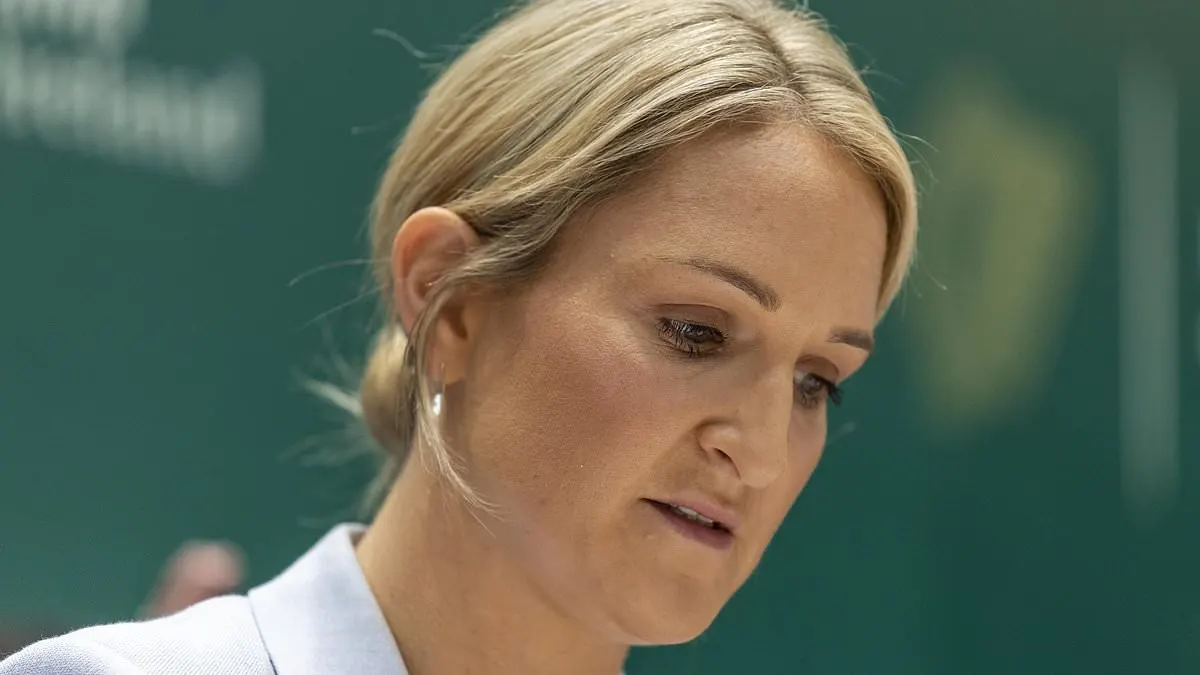
Coalition colleagues say Helen McEntee plans to make a lengthy statement in the Dáil about her handling of Garda whistleblower disclosures, amid calls for a no-confidence motion. Opposition politicians are pressing her to answer questions in the chamber, while insiders reportedly want to avoid that format and shift scrutiny towards Justice Department officials.
The controversy centres on McEntee’s decision, based on summaries of allegations, to refer a protected disclosure concerning the Garda Commissioner to Gardaí for investigation, and on correspondence indicating the whistleblower’s identity was disclosed. Lawyers for whistleblowers have asked her to correct the Dáil record, and colleagues fear she could bear the political cost. The article compares the situation with the 2017 controversy involving Frances Fitzgerald, who later lost her post.
- McEntee plans a comprehensive Dáil statement on Garda whistleblower disclosures.
- Opposition figures want her to face questions in the chamber.
- The row centres on the referral and disclosure of a whistleblower’s identity.
New here? Start with this
Helen McEntee is Ireland's Justice Minister. A person working in the Gardaí (the Irish police) filed a protected whistleblower disclosure about the Garda Commissioner. McEntee referred this allegation to the Gardaí themselves for investigation, and questions have since arisen about whether the whistleblower's identity was kept confidential as required.
Whistleblower protection laws are designed to allow workers to report serious misconduct safely, without fear of being identified or facing consequences. These protections are particularly important in organisations like police forces, where someone reporting wrongdoing might otherwise face retaliation from powerful colleagues. The way government ministers handle whistleblower reports directly affects whether people will feel willing to come forward about problems.
This is not the first time such issues have surfaced in Irish government. In 2017, Justice Minister Frances Fitzgerald faced similar questions about her handling of a whistleblower disclosure and subsequently left office. The current situation is being compared to that earlier case, reflecting ongoing concerns in Irish politics about how sensitive complaints are managed.
Both sides, in good faith
The strongest fair case each way — we don't pick a winner.
The case for
Whistleblower protections are fundamental to the rule of law, and McEntee's decision to refer a protected disclosure about the Commissioner to Gardaí itself, combined with the apparent disclosure of the whistleblower's identity, represent serious statutory breaches that go to the core of her ministerial duties. These constitute substantive failures of duty rather than mere procedural errors, and a Justice Minister's failure to protect those exposing wrongdoing warrants resignation to preserve public confidence in the system.
The case against
Whilst this matter requires full investigation and transparency, resignation should be reserved for clear dereliction rather than complex situations where reasonable judgment might differ. McEntee should be afforded the opportunity to explain her decision-making comprehensively in the Dáil before any drastic action is taken, and an independent review can establish the facts properly, allowing for proportionate accountability without the destabilising precedent of removing ministers based on preliminary reports.