Retail and hospitality chiefs press Chancellor to rule out Budget tax rises
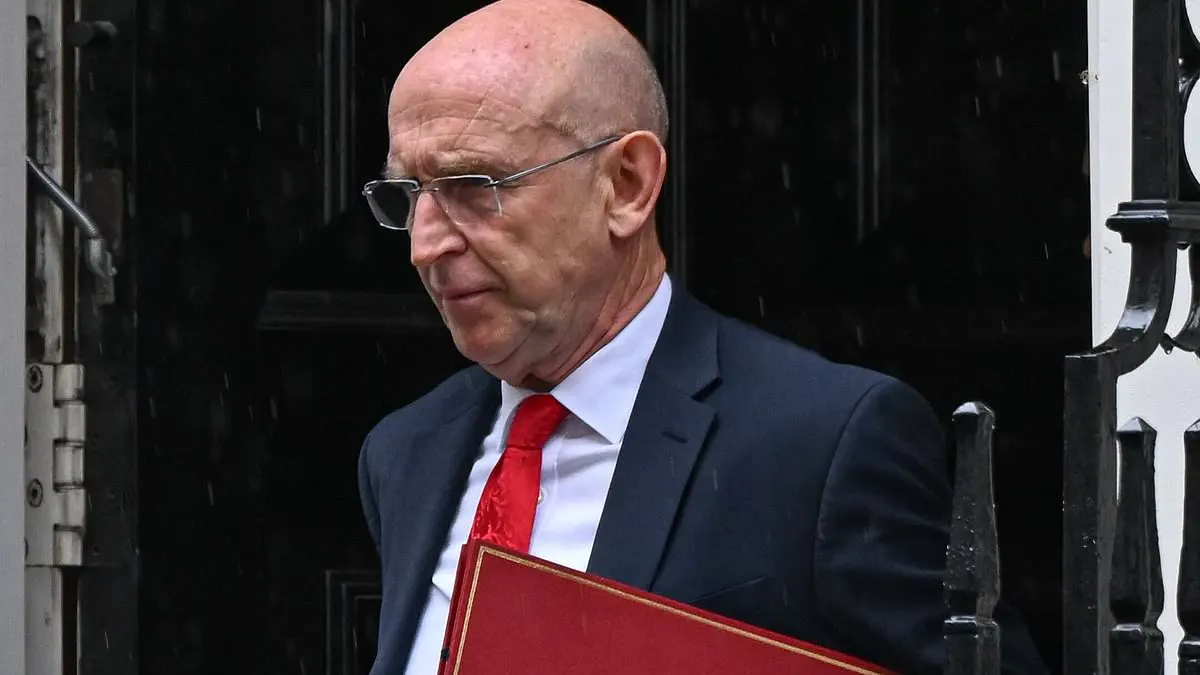
The Chancellor is meeting retail and hospitality leaders on Tuesday as mounting pressure from major business chiefs seeks to prevent further tax increases in the forthcoming Budget. Stuart Machin, chief executive of Marks & Spencer, has led the campaign, describing Labour's previous two Budgets as "a disaster" that added £75 billion in additional taxes on firms and families, whilst Jason Tarry of John Lewis and Waitrose has warned that tax raids on supermarkets could trigger widespread shop closures. This matters because the retail sector argues that existing tax burdens are already among the highest globally and are pushing up consumer prices.
Reports indicate the government has abandoned plans for a "warehouse tax" intended to fund business rates cuts for pubs, clubs and music venues. The tax would have targeted large distribution centres, but would also have hit traditional retailers like Tesco that rely on substantial warehouse infrastructure. The Chancellor faces acute budget constraints following a surge in borrowing costs to a 28-year high, leaving only £12 billion of fiscal flexibility. The government maintains it is committed to backing business growth and has implemented business rates reductions and a cap on corporation tax.
- Retail bosses urge Chancellor not to raise taxes before Budget, calling previous two "a disaster"
- Government appears to have ruled out 'warehouse tax' on supermarkets and distribution centres
- UK firms face highest property tax burden among major economies amid tight fiscal constraints
New here? Start with this
The Chancellor is preparing to announce a new Budget, which outlines government plans for spending and taxation. Business leaders from retail and hospitality are pressing him to rule out further tax rises, complaining that recent Budgets have already imposed substantial new taxes on firms and families.
Retail giants including Marks & Spencer, John Lewis and Waitrose have led this campaign, warning that additional taxes risk triggering shop closures and pushing up consumer prices. The sector argues that UK businesses already face some of the world's highest tax burdens, making it difficult to invest and grow.
The government recently abandoned plans for a "warehouse tax" on large distribution centres after concerns it would harm traditional retailers. With tight budget constraints limiting fiscal flexibility, the Chancellor is trying to balance supporting business growth against the need to manage public finances.
Both sides, in good faith
The strongest fair case each way — we don't pick a winner.
The case for
Retail and hospitality leaders argue that cumulative tax increases have already severely squeezed their thin-margin businesses, forcing consumer price rises and threatening widespread shop closures and job losses, particularly in economically vulnerable communities. They contend that the UK already has internationally uncompetitive business tax levels and that further increases will undermine growth, citing the economic principle that lower tax burdens stimulate investment, employment and spending that ultimately expands the tax base and delivers broader prosperity.
The case against
Those countering this position emphasise that the government faces genuine fiscal constraints—with borrowing costs at 28-year highs and only £12 billion flexibility—making simultaneous tax cuts and maintained public services impossible without difficult choices. They argue that public infrastructure, healthcare and education enable business success and require reliable revenue, and contend that targeted measures on large profitable firms need not trigger widespread closures; fiscal responsibility, they maintain, requires balancing business support with investment in the services that underpin economic growth.
Read the full article at the source →
Originally published by Daily Mail as “Retail bosses prepare for No11 summit as Chancellor is urged not to clobber businesses with more tax hikes in Budget”.