Got a sweet tooth? Just blame the red ones in the packet
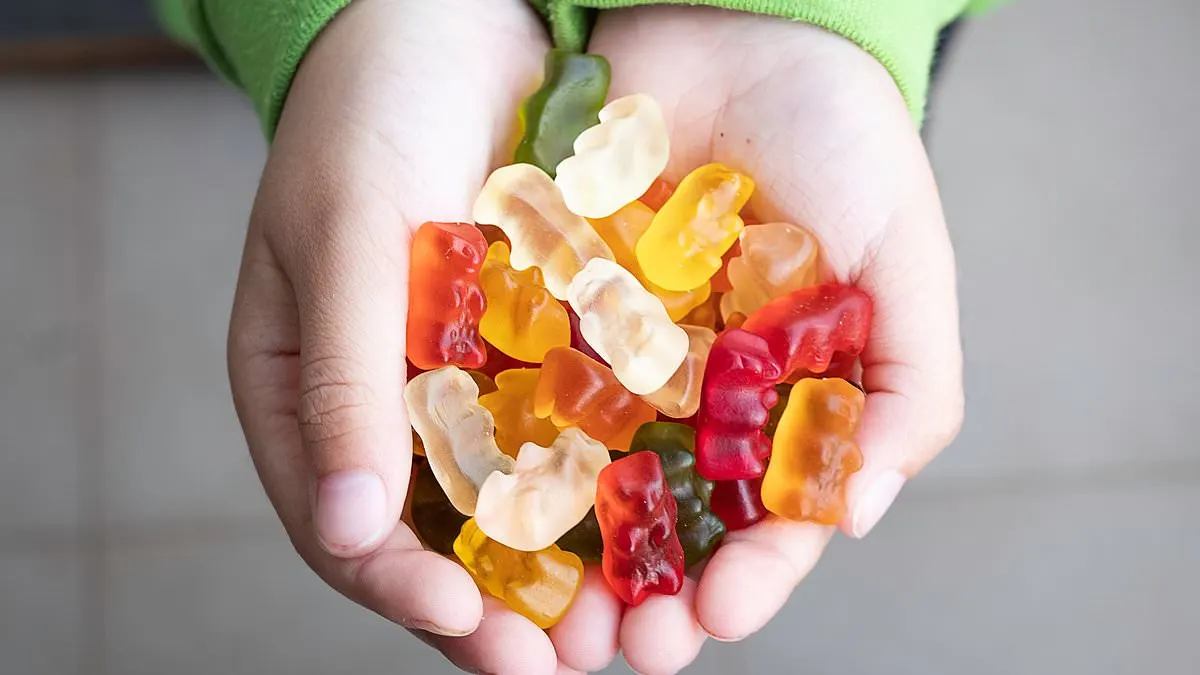
A study has found that people have a strong preference for red sweets over other colours, with scientists attributing this to how humans have evolved to associate red with sweetness and ripeness. The research reveals that colour preferences for confectionery are not arbitrary but rooted in psychological and evolutionary factors that influence how appealing we find different sweets.
The study, conducted by Indian researchers and based on US brand Life Savers sweets, surveyed over 100 men and women on their colour preferences. Red was chosen by 43 per cent of respondents, more than double the 26 per cent who preferred blue. Yellow proved least popular at just 5 per cent, being eight times less preferred than red because it is associated with sour flavour. The researchers attribute red's dominance to "perceptual fluency" – the brain's tendency to quickly match the colour with sweetness – whilst blue evokes feelings of calmness and peace.
- Red sweets chosen by 43 per cent, more than double blue's preference.
- Humans associate red with warmth, sweetness and ripeness, making them more appealing.
- Yellow sweets are least popular, perceived as associated with sour flavour rather than sweetness.
New here? Start with this
A study has revealed that people have a pronounced preference for red sweets over other colours, and scientists believe this preference is not random but rooted in how human brains have evolved. Researchers have found that colours in confectionery appeal to us for specific psychological and evolutionary reasons, rather than being simply a matter of personal taste or habit.
The preference for red appears to stem from millions of years of human evolution. Throughout history, red fruits and berries have signalled ripeness and sweetness in nature, so our brains have become wired to associate the colour red with sugary foods. This automatic connection in our minds makes red sweets seem more appealing, even before we taste them.
Indian researchers conducted a study with over 100 participants in the United States, asking them to choose their preferred colour from sweets branded as Life Savers. Red was chosen by 43 per cent of respondents, more than double those who preferred blue at 26 per cent. Yellow was the least popular at just 5 per cent, probably because it is commonly associated with sour flavour rather than sweetness.
Both sides, in good faith
The strongest fair case each way — we don't pick a winner.
The case for
The study demonstrates a measurable preference pattern consistent with evolutionary psychology – humans ancestrally associated red with ripeness and sweetness, and this cognitive association appears to persist across modern consumers. The perceptual fluency mechanism provides a neurological explanation grounded in how our brains process colour and taste associations, suggesting preferences reflect our evolved nature rather than arbitrary taste.
The case against
Consumer colour preferences are primarily shaped by marketing conventions and cultural conditioning rather than evolutionary drives. Red's dominance likely reflects decades of confectionery packaging traditions that trained consumers to expect red sweets, creating circular reasoning when surveys then measure that very preference. A single product study cannot establish universal evolutionary patterns when learned associations and commercial habit provide simpler, more parsimonious explanations.