Extraordinary claim that Flydubai co-pilot accused of trying to crash jet into Israel was radicalised in Melbourne
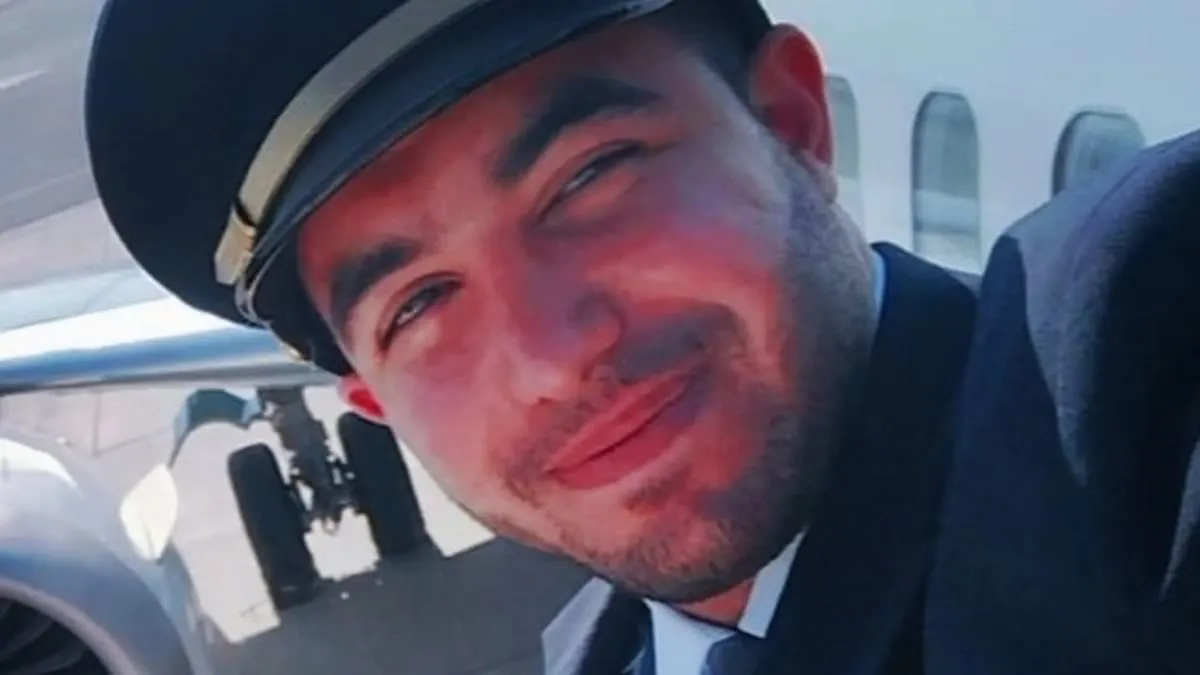
A Flydubai co-pilot is accused of attempting to hijack and crash an Israel-bound passenger jet on 30 September, wounding the captain with a crash axe. The incident endangered 172 people on board; quick action by the captain and passengers subdued the assailant and prevented what authorities describe as a mass-casualty terrorist attack.
The UAE Attorney-General says Hamam al-Hammami became radicalised whilst studying in Melbourne around 2017, when he was exposed to extremist literature and online content glorifying terrorist organisations. He attended a mosque affiliated with RMIT and a centre called "My Centre" where he met individuals linked to extremist networks. He took two previous flights to Tel Aviv to familiarise himself with the route and airport, and confessed to planning the attack alone, inspired by the 9/11 attacks.
- Co-pilot accused of attacking captain with crash axe on 30 September
- Authorities say he was radicalised in Melbourne around 2017
- Flight descended 14,000ft in 29 seconds but crew regained control safely
New here? Start with this
Flydubai is a budget airline based in the United Arab Emirates. On 30 September, a co-pilot on one of its planes allegedly attempted to hijack the aircraft, which was carrying 172 passengers and crew and heading to Tel Aviv in Israel. The captain and passengers managed to subdue the assailant before he could carry out what authorities describe as a planned terror attack, preventing loss of life.
The accused co-pilot is Hamam al-Hammami, a UAE national. According to the UAE's Attorney-General, al-Hammami became radicalised whilst studying in Melbourne around 2017, where he was exposed to extremist material online and through people he met at a mosque affiliated with RMIT university and a centre called My Centre. He reportedly made two earlier trips to Tel Aviv to familiarise himself with the airport and route, and has confessed to planning the attack alone.
The case involves someone working in aviation, a sector regarded as security-sensitive. It raises questions about how radicalisation develops, particularly through online platforms and informal personal networks.
Both sides, in good faith
The strongest fair case each way — we don't pick a winner.
The case for
The authorities have documented a clear pathway of radicalization through exposure to extremist networks in Melbourne, leading to a deliberate plot to crash a civilian aircraft carrying 172 people. This demonstrates that radicalization through online content and community networks is a genuine threat requiring serious counterterrorism response, and the authorities' intervention prevented a mass-casualty attack.
The case against
Security agencies' narratives warrant independent scrutiny, as investigations can be subject to institutional bias and may present incomplete accounts. Due process concerns about investigation conduct and the reliability of confessions obtained by authorities, as well as questions about whether other contributing factors have been fairly considered, are legitimate and should not be dismissed in accepting the authorities' radicalization narrative uncritically.