World news and discussion on TalkFuse.
Johnson and Badenoch condemn Trump’s Russian diesel deal as Ukraine support falters
Developed over time first seen 2 months ago
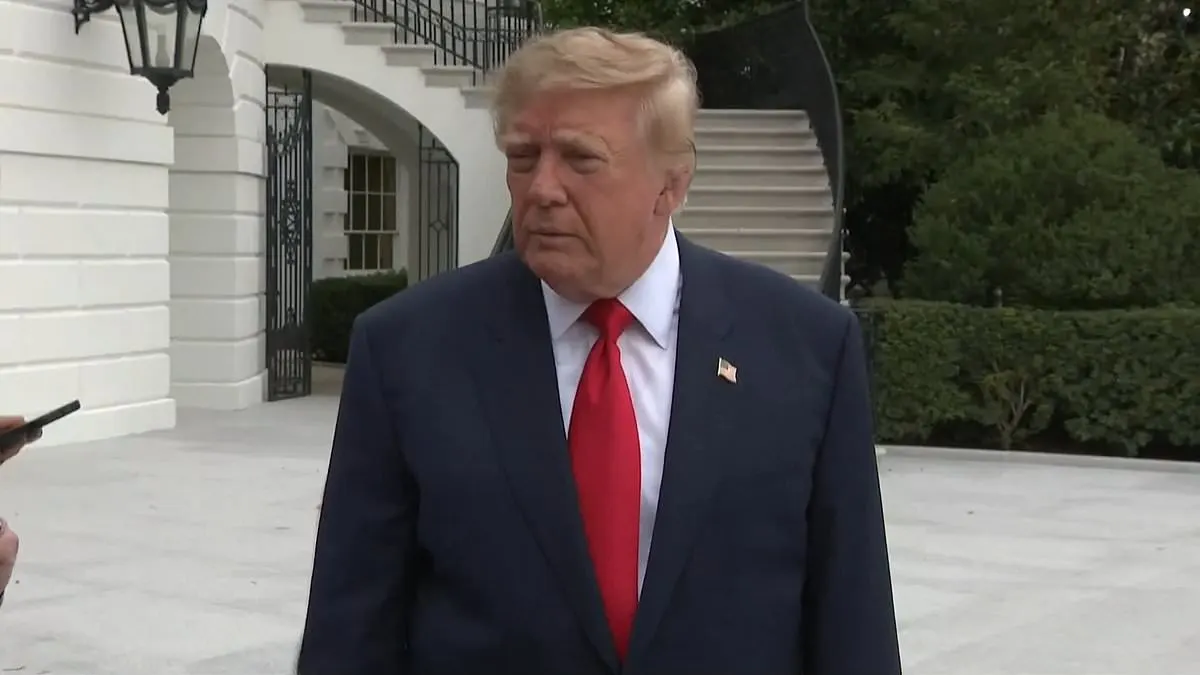
Donald Trump has provoked a fierce UK backlash after striking a deal to purchase Russian diesel whilst simultaneously demanding that Volodymyr Zelensky step down as Ukrainian president. UK politicians, including former Prime Minister Boris Johnson and Conservative leader Kemi Badenoch, have condemned the move as contradictory and damaging, arguing that easing sanctions on Russian fuel effectively supports Putin's war effort. The demands have heightened concerns about the stability of American support for Ukraine.
Trump has agreed to purchase 300,000 tonnes of Russian diesel initially, with 500,000 tonnes planned for November and a further one million tonnes thereafter. Both Johnson and Badenoch criticised Trump as fundamentally wrong to ease sanctions and blame Ukraine for fuel price spikes, which they attribute to the closure of the Strait of Hormuz. Prime Minister Andy Burnham has reaffirmed Britain's support for Zelensky, whilst Trump claimed both sides had agreed to an "energy ceasefire" involving Ukrainian restraint on strikes against Russian refineries in exchange for Russian restraint on attacks against civilian infrastructure.
- Sources
- 6
- Outlets
- 4
- Left · Centre · Right
- 2 · 2 · 2
In short
- Trump buys Russian diesel whilst demanding Ukraine's president step down
- UK leaders condemn move as bankrolling Putin's war
- Deal totals 1.8 million tonnes of fuel; UK stands firm with Ukraine
How this story developed
- 2 months ago President Zelensky responded with a counter-proposal, offering to halt attacks on Russian refineries if Moscow ceased assaults on Ukrainian civilian power infrastructure.
- 2 months ago Boris Johnson escalated his criticism, describing the Russian diesel deal as "sickening" and contending it would finance the Russian war effort.
- 2 months ago Conservative Party leader Kemi Badenoch joined Johnson's condemnation, whilst the specific purchase volumes were revealed—300,000 tonnes initially, 500,000 tonnes in November, and a further one million tonnes subsequently—and Trump said both sides had agreed to an "energy ceasefire."
- 2 months ago Subsequent reporting revealed that American diesel prices had increased from $3.68 to $6.28 per gallon over the preceding year.
- 2 months ago Donald Trump called for Ukraine to replace President Zelensky and cease attacking Russian oil infrastructure, whilst Washington agreed to import Russian diesel, drawing criticism from former Prime Minister Boris Johnson.
- The Independent UK will work to ‘bring friends’ Trump and Zelensky back together after Russian diesel deal row, says Streeting
- The Hill Live updates: Zelensky set for Sunday interview amid backlash to Trump's Russia diesel deal
- The Hill Zelensky says US-Russia diesel deal is a 'birthday gift' to Putin to 'kill us, kill our children'
- The Guardian Trump’s deal with Putin will have little impact on US diesel prices, experts warn
- Daily Mail Johnson and Badenoch condemn Trump’s Russian diesel deal as Ukraine support falters
- Daily Mail Boris blasts 'sickening' Trump deal with Putin: Ex-PM calls on Royal Navy to intercept Russia's diesel and says US 'bankrolls slaughter'
Full account
A diplomatic dispute has emerged between Washington and Kyiv following the United States administration's announcement to relax sanctions on Russian petroleum exports. Citing inflationary pressures on American energy costs, President Trump subsequently demanded that Ukraine replace its leadership, asserting that President Zelensky was obstructing diplomatic negotiations.
Former Prime Minister Boris Johnson issued sharp criticism on social media, objecting to the agreement and rejecting the administration's contention that Ukraine bore responsibility for elevated global energy prices. Johnson instead attributed the cost increases to disruptions of Middle Eastern shipping routes. He expressed concern that the arrangement would effectively subsidise Russian military activities whilst delivering minimal benefit to American consumers.
The United Kingdom has sought to mediate between the two nations. Prime Minister Andy Burnham contacted President Zelensky to reaffirm support, with an in-person meeting planned for the coming days. Defence Secretary Wes Streeting characterised the dispute as reflecting domestic electoral pressures on the American administration. He indicated that Britain would work towards restoring unity between the allies, whilst emphasising that American military support to Ukraine remained substantial.
Ukrainian officials rejected the American criticism of their military strategy. President Zelensky reported intensified Russian attacks on civilian infrastructure following the sanctions announcement, arguing that reducing international pressure signals Moscow it can continue escalating operations. President Trump maintained that Ukrainian strikes against Russian petroleum facilities were undermining prospects for diplomatic resolution.
Where outlets differ
From the full account, which is AI-written from the sources:
Source 1 emphasises former PM Johnson's forthright public condemnation and concerns about intelligence-sharing implications; Source 2 prioritises the government's diplomatic mediation efforts
Source 2 quantifies the sanctions relief at 300,000 metric tonnes and dates the announcement to Friday; Source 1 omits these details
Source 1 cites the Iran conflict as contextual background for fuel costs; Source 2 frames the decision within broader domestic cost-of-living electoral pressures
Source 2 reports Zelensky's reference to specific Russian military escalation on Zaporizhzhia; Source 1 addresses his objections more generally
Source 1 adopts emphatic language characterising the agreement; Source 2 maintains measured factual reporting throughout
Left-leaning outlets 2
- UK will work to ‘bring friends’ Trump and Zelensky back together after Russian diesel deal row, says StreetingThe Independent
- Trump’s deal with Putin will have little impact on US diesel prices, experts warnThe Guardian
Only here: work, bring, friends, back, together
Centre outlets 2
- Live updates: Zelensky set for Sunday interview amid backlash to Trump's Russia diesel dealThe Hill
- Zelensky says US-Russia diesel deal is a 'birthday gift' to Putin to 'kill us, kill our children'The Hill
Only here: sunday, interview, backlash, birthday, gift
Right-leaning outlets 2
- Johnson and Badenoch condemn Trump’s Russian diesel deal as Ukraine support faltersDaily Mail
- Boris blasts 'sickening' Trump deal with Putin: Ex-PM calls on Royal Navy to intercept Russia's diesel and says US 'bankrolls slaughter'Daily Mail
Only here: johnson, badenoch, condemn, ukraine, support
Every side used: trump, diesel, deal, putin
Headline columns compared word for word; nothing in them is AI-written.
Steelman: both sides, in good faith
The strongest fair case each way — we don't pick a winner.
The case for
The case for Trump's approach prioritises ending the bloodshed through pragmatic negotiation rather than perpetual military stalemate. Supporters argue that sanctions relief and encouraging Ukrainian concessions represent the only realistic path to peace, noting that Russia will not negotiate whilst under maximum pressure. They contend that American domestic concerns—fuel prices, electoral cycles—are legitimate factors in foreign policy, and that indefinite military support prolongs suffering without guaranteeing Ukrainian victory.
The case against
The case against centres on maintaining deterrence and honouring alliance commitments. Critics argue that sanctions are the West's primary leverage against Russian aggression; removing them whilst pressuring Ukraine to surrender territory rewards conquest and invites further Russian expansion. They contend that prioritising US domestic politics over NATO solidarity dangerously undermines trust in American security guarantees, sets a precedent that encourages authoritarian risk-taking, and abandons Ukraine at precisely the moment Russian military position weakens.
Explained simply
Russia invaded Ukraine in 2022, triggering a major European conflict. Ukraine, led by President Volodymyr Zelensky, has since relied heavily on military and financial support from Western countries, particularly the United States, to resist the invasion.
The United States has agreed to import diesel fuel from Russia as fuel prices rise ahead of upcoming mid-term elections. This has sparked controversy because critics argue that removing sanctions on Russian energy exports could help fund Russia's military operations in Ukraine.
Donald Trump has called for Ukraine to replace President Zelensky with a leader willing to negotiate with Russia. This has prompted strong reactions from Western allies, including criticism from former UK Prime Minister Boris Johnson, and raises questions about the future direction of American support for Ukraine during the ongoing conflict.
Coverage · 6 sources
Bias meters
From 6 rated sources.
- Daily MailRightJohnson and Badenoch condemn Trump’s Russian diesel deal as Ukraine support falters
- The IndependentLeftUK will work to ‘bring friends’ Trump and Zelensky back together after Russian diesel deal row, says Streeting
- The HillCentreLive updates: Zelensky set for Sunday interview amid backlash to Trump's Russia diesel deal
- The HillCentreZelensky says US-Russia diesel deal is a 'birthday gift' to Putin to 'kill us, kill our children'
- The GuardianLeftTrump’s deal with Putin will have little impact on US diesel prices, experts warn
- Daily MailRightBoris blasts 'sickening' Trump deal with Putin: Ex-PM calls on Royal Navy to intercept Russia's diesel and says US 'bankrolls slaughter'
Americas Elections Europe Politics World
Read the full article at the source →
Originally published by Daily Mail as “Boris Johnson leads fury as Trump demands Zelensky is ousted – after striking ‘sickening’ diesel deal with Putin to save US midterms”.