Michael Douglas Reveals the Stories His Publicist Wishes He Had Left Out of His Memoir
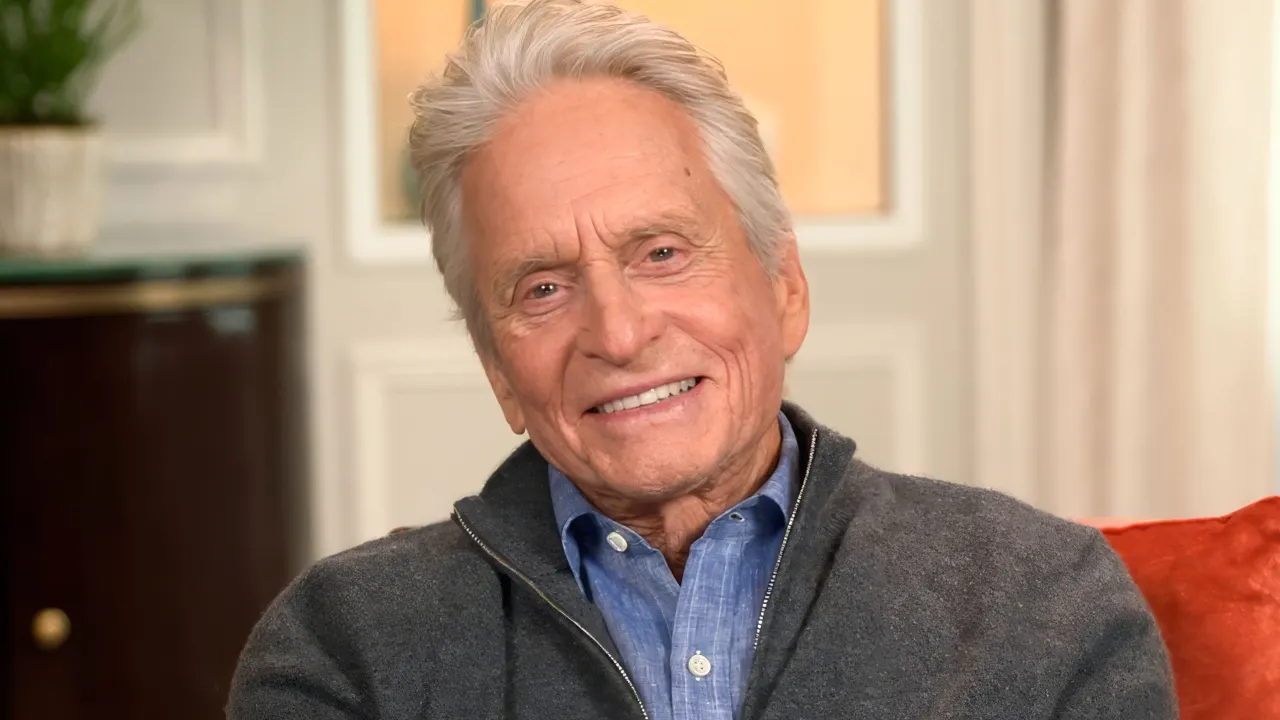
Michael Douglas has published his memoir "One Helluva Ride," a 352-page candid account spanning his life from his childhood as Kirk Douglas's son to his rise as a global film star. The book details behind-the-scenes stories from iconic films including One Flew Over the Cuckoo's Nest, Fatal Attraction and Basic Instinct, alongside personal revelations about his battles with substance abuse, stage IV cancer, a turbulent first marriage and his relationship with Catherine Zeta-Jones.
Douglas explained in an interview that certain stories in the memoir embarrassed his publicist, including an anecdote about leather suitcases his father gave him as a Christmas present and a story about telephoning multiple women to end their relationships after he committed to Zeta-Jones. To reconstruct his life chronologically, Douglas hired someone to organise his recollections through his filmography, then reached out to old friends to recover memories he had forgotten over the decades.
- Michael Douglas's 352-page memoir covers his life from Kirk Douglas's son to Hollywood stardom.
- The book includes stories his publicist wished remained private.
- Douglas reconnected with friends to recover forgotten memories for the book.
New here? Start with this
Michael Douglas is one of Hollywood's leading actors and producers, best known for starring in landmark films including One Flew Over the Cuckoo's Nest, Fatal Attraction and Basic Instinct across a career spanning several decades. He is the son of legendary actor Kirk Douglas and has been married to actress Catherine Zeta-Jones since 2000.
Douglas has now published a memoir titled "One Helluva Ride," a 352-page candid account that spans his life from childhood through his emergence as a major film star. The book includes behind-the-scenes stories from the famous films that defined his career, along with personal revelations about his struggles with substance abuse, his experience with stage IV cancer, the dissolution of his first marriage, and his relationship with Zeta-Jones.
To write this comprehensive life story, Douglas worked with someone to help organise his memories chronologically around his filmography. He also reached out to old friends and collaborators to recover forgotten details about his life and career from across the decades.
Both sides, in good faith
The strongest fair case each way — we don't pick a winner.
The case for
A compelling memoir requires unvarnished candour about the author's life, including moments of poor judgment or embarrassment. Douglas's inclusion of these stories demonstrates integrity and provides readers the complete picture necessary to understand his actual character and personal journey. The memoir form's power lies precisely in its willingness to confront uncomfortable truths; selective editing based on public relations concerns merely produces sanitised autobiography that obscures rather than illuminates.
The case against
Whilst honesty matters in memoir, so does thoughtful restraint and genuine consideration for others affected by disclosure. Not every true story merits public airing; the relevant question is whether each anecdote meaningfully advances the reader's understanding or merely indulges self-revelation without proportionate narrative purpose. A publicist's concerns often reflect legitimate questions about whether certain stories provide genuine insight or simply create unnecessary discomfort for the author and others involved.