Fort Hood shooter’s firing squad could usher in new era of executions across US, expert says
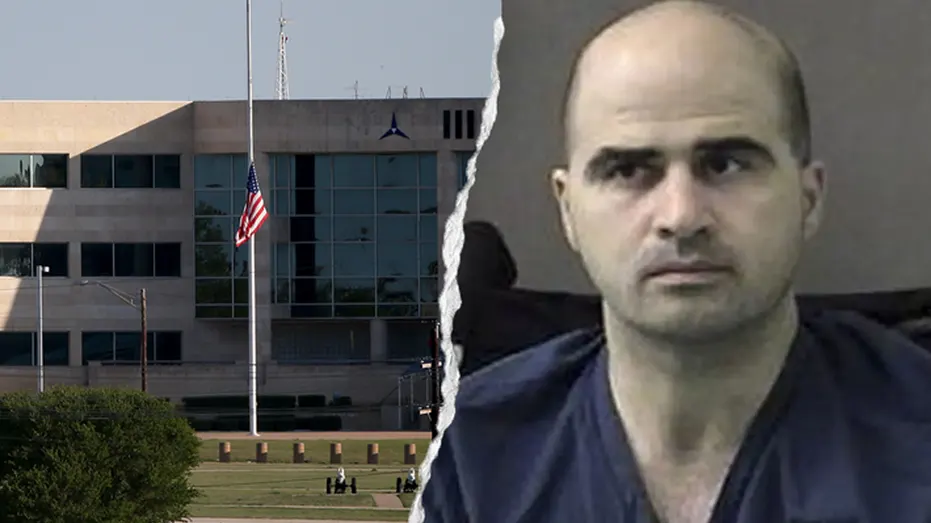
The planned firing squad execution of Fort Hood mass shooter Nidal Malik Hasan could usher in a new era of executions by gunfire across the United States, according to a leading death penalty expert. Deborah Denno, a professor at Fordham Law, told Fox News Digital that if the execution proceeds quickly and smoothly, firing squad could gain traction with other states and inmates currently facing capital punishment. This shift matters because several US states have already embraced firing squad as lethal injection falls out of favour due to drug shortages and a series of high-profile failures in recent years.
Hasan was sentenced to death in 2013 following a 2009 mass shooting at the Army base that killed 13 people and wounded 32 others. The execution is scheduled for 3 December and will be livestreamed. Denno argues that firing squad is the most humane and effective method of capital punishment, faster and with far fewer complications than lethal injection, which has seen recent botched attempts in Tennessee and elsewhere. She notes that skilled markspeople are readily available and that firing squads have historically had only two notable incidents before recent years, making them significantly more reliable than other execution methods.
- Fort Hood shooter to be executed by firing squad on 3 December.
- Expert predicts success could prompt other states to adopt the method.
- Lethal injection failures driving interest in firing squads.
New here? Start with this
Nidal Malik Hasan is a former Army psychiatrist sentenced to death for a shooting at Fort Hood in Texas in 2009. The attack killed 13 people and wounded 32 others.
Executions in the United States have traditionally been carried out by lethal injection, but this method has become increasingly problematic in recent years. Drug shortages and failed executions have led several states to reconsider their approach to capital punishment.
Some US states have already adopted firing squad as an alternative execution method. A law professor has argued that if firing squad proves effective and reliable, it could gain traction with other states as an alternative to lethal injection.
Both sides, in good faith
The strongest fair case each way — we don't pick a winner.
The case for
Advocates for firing squad argue that if capital punishment is to remain lawful, the state has an obligation to carry it out as humanely and competently as possible. Lethal injection has demonstrably failed in recent years with botched executions causing documented suffering, whilst firing squad is objectively faster and more reliable, with a strong historical track record. From this perspective, choosing the execution method that minimises suffering is not an argument for more executions, but rather a straightforward ethical and practical matter of ensuring any lawful sentence is carried out with basic human dignity.
The case against
Opponents contend that improving execution methods actually enables and normalises capital punishment, removing practical obstacles to its expansion rather than challenging it fundamentally. They argue that capital punishment is inherently unjust and irreversible—concerns that no execution method can address—and that the language of 'humane execution' obscures the moral weight of state-sanctioned killing. Furthermore, they highlight the fact that innocent persons can and have been executed, making capital punishment inherently unacceptable, and express concern about the psychological impact on those required to conduct executions.