Zelensky links Ukrainian elections to 60-day ceasefire agreement
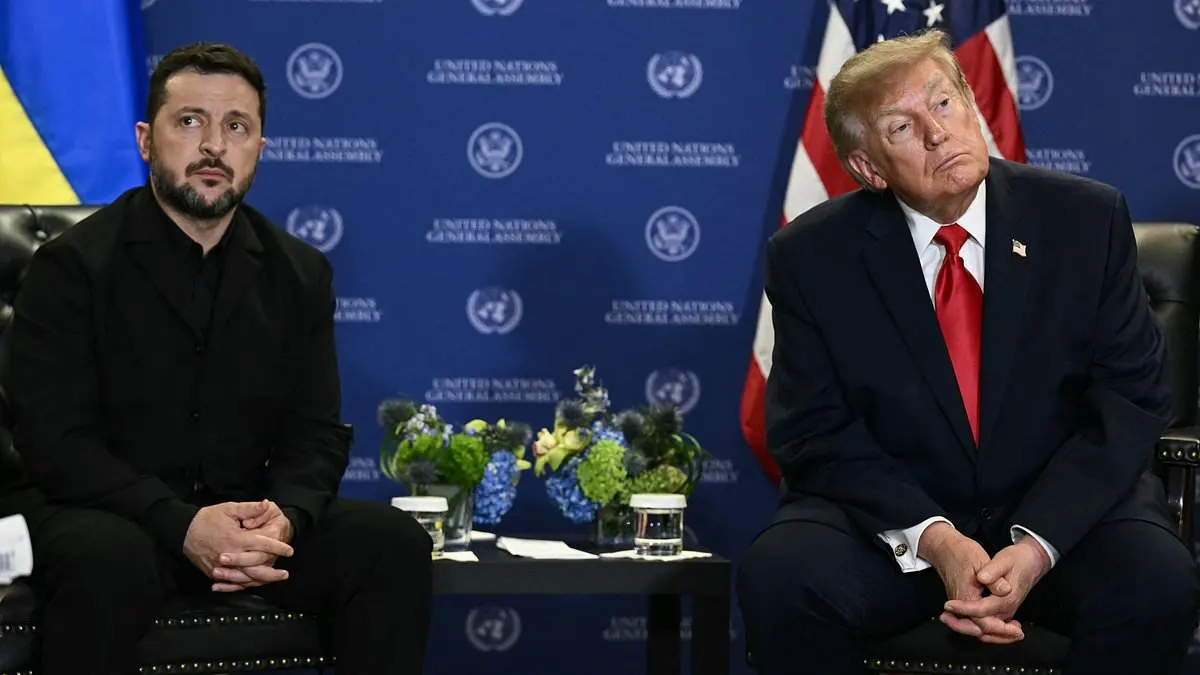
Volodymyr Zelensky said Ukraine would hold elections if Russia agreed to a 60-day ceasefire, while insisting that choosing the country’s leader was up to Ukrainians. His response followed Donald Trump’s call for Ukraine to get a new president and came amid tensions over a US agreement to import Russian oil and lift sanctions.
Trump said the war should never have started and blamed Zelensky, while accusing him of ignoring requests to stop strikes on Russian oil facilities. The reported deal covers almost two million tonnes of Russian oil, as US fuel costs rise ahead of midterm elections. The article also reports that a Russian strike in Zaporizhzhia killed seven people, including at least three children.
- Zelensky offered elections after a 60-day ceasefire.
- He said Ukrainians must choose their leader.
- Trump’s Russian oil deal has strained ties with Kyiv.
New here? Start with this
Ukraine has been in armed conflict with Russia since 2022, with hundreds of thousands killed or displaced. International negotiations to end the war are ongoing, with the United States playing a significant role in discussions.
Volodymyr Zelensky, Ukraine's president, has proposed that elections would take place if Russia agreed to a 60-day ceasefire. Donald Trump, the US president, has called for Ukraine to change its leadership whilst pursuing separate agreements involving Russian oil imports and the lifting of economic sanctions.
These negotiations matter because they will shape how the war ends and who will lead Ukraine in the aftermath. The linking of elections to a ceasefire proposal highlights the tension between resolving the conflict quickly and preserving Ukraine's right to choose its own government.
Both sides, in good faith
The strongest fair case each way — we don't pick a winner.
The case for
The strongest case for this approach emphasises that prolonged conflict is unsustainable and that a ceasefire creates space for diplomatic progress. Proponents argue that Ukraine conducting elections would provide democratic legitimacy for whoever leads subsequent negotiations, whilst pragmatic compromises—including conditional engagement with Russia and addressing US domestic energy concerns—serve all parties better than indefinite stalemate. They contend that sanctions have not achieved their aim, and that creating incentives for negotiation is more realistic than expecting either side to capitulate.
The case against
The strongest case against argues that tying Ukrainian elections to a ceasefire agreement compromises democratic sovereignty by giving Russia leverage over when Ukrainians can choose their leader whilst their territory remains occupied. Opponents contend that lifting sanctions and importing Russian oil rewards aggression, weakens deterrence, and signals that occupation and war crimes can be normalised through negotiation rather than resolved. They maintain that Ukraine's right to self-defence—including strikes on war infrastructure—cannot be subordinated to peace efforts, and that democratic legitimacy cannot be preserved under such conditions.
Americas Elections Europe Government Politics World
Read the full article at the source →
Originally published by Daily Mail as “Zelensky says he will hold elections if Putin backs 60-day ceasefire – but tells Trump ‘up to our people’ to pick leader”.