John Healey ‘drops’ plans to extend Labour’s mansion tax to more homes in Budget after outcry at retrospective raid
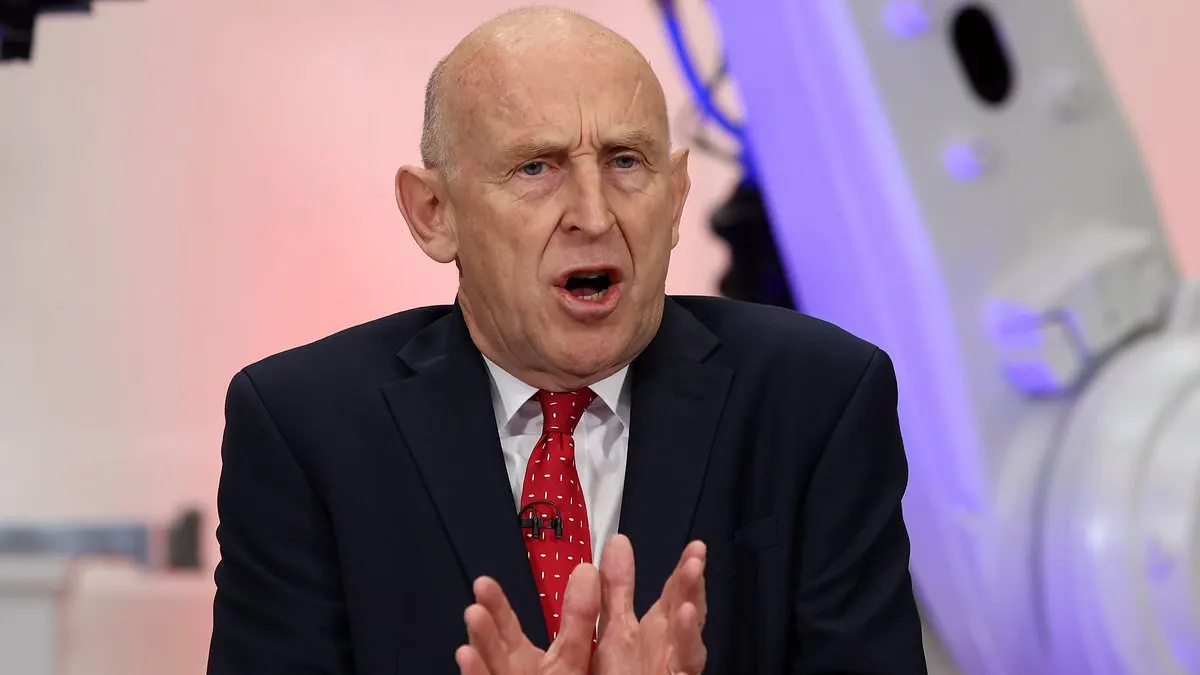
Labour appears to have dropped plans to lower the threshold for its planned council tax surcharge on high-value homes, after concerns that expanding the charge would be too controversial. The change would have brought many more properties into scope, with critics warning that the burden would fall heavily on London and the South East.
The existing plan, due to start in April 2028, applies to homes worth at least £2 million. Annual charges range from £2,500 for homes valued between £2 million and £2.5 million to £7,500 for those worth more than £5 million. Lowering the threshold to £1.5 million would have doubled the number of affected homes to 272,000; the levy is forecast to raise about £400 million in its first year, against implementation costs of at least £350 million.
- Labour appears to have dropped plans to widen the mansion tax.
- Lowering the threshold would have affected 272,000 homes.
- The current surcharge is due to begin in April 2028.
New here? Start with this
The Labour government plans to introduce a new council tax surcharge on expensive homes beginning in April 2028. Properties worth at least £2 million would face annual charges, ranging from £2,500 for homes between £2 and £2.5 million to £7,500 for properties worth over £5 million.
The government had been considering lowering the threshold to £1.5 million, which would have roughly doubled the number of affected homes. This expansion would have particularly affected property owners in London and the South East, where expensive properties are more common.
Plans to expand this charge to more homes have been dropped following criticism. The government expects the scheme to raise around £400 million in its first year of operation, though implementing it involves substantial costs. Expanding the threshold further would have faced even greater resistance from affected homeowners.
Both sides, in good faith
The strongest fair case each way — we don't pick a winner.
The case for
The mansion tax targets accumulated wealth that has appreciated substantially, particularly in property markets where values have outpaced wages. A £1.5 million threshold remains focused on genuinely affluent households capable of bearing additional tax burden. With public services under considerable strain, the government needs sustainable revenue sources; lowering the threshold would broaden the base and future-proof the levy against inflation, ensuring it remains meaningful in protecting public investment for years to come.
The case against
The proposed expansion raises serious questions of economic efficiency, with implementation costs consuming most of the new revenue, making it poor value for public money. The tax falls heavily on property-rich but cash-poor regions like London and the South East, exacerbating regional inequality rather than solving it. Moreover, policy certainty matters for economic confidence; abandoning the original threshold after announcement risks undermining trust in property rights and deterring the investment and enterprise activity that ultimately fund public services through broader tax bases.