Bill Gates sounds alarm on AI-powered cyberattacks, warns of ‘negative surprises’ within a year
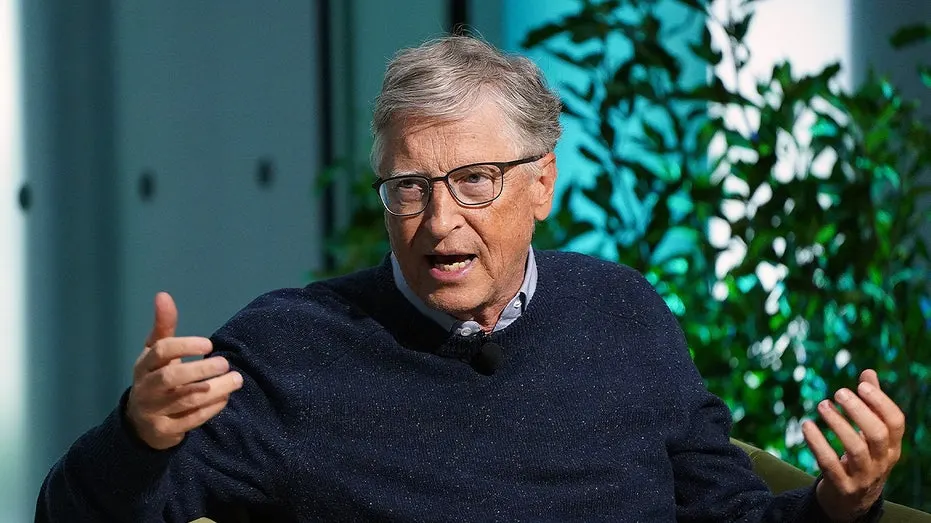
Bill Gates warned Sunday that artificial intelligence will likely fuel a significant wave of cyberattacks over the next year, with criminal actors gaining access to increasingly powerful AI models without adequate safeguards. Gates cautioned that malicious actors could exploit this technology to disrupt financial systems, extort businesses, and conduct increasingly sophisticated attacks, describing the threat as a source of "negative surprises" primarily in the cybersecurity domain.
Security researchers have documented a sharp rise in AI-enabled threats, with CrowdStrike reporting that attacks by AI-powered adversaries increased 89 per cent year-on-year in 2025, whilst the average time for cybercriminals to move laterally through compromised networks fell to just 29 minutes. Gates highlighted financial motivations behind such attacks, including extortion schemes and market manipulation, whilst also noting that government regulation remains insufficient, though he indicated that the more existential risks from AI losing control remain years away.
- Bill Gates warns AI-powered cyberattacks will surge over the next year with minimal safeguards.
- AI-enabled attacks surged 89 per cent; threat actors moved through networks in 29 minutes.
- Government regulation remains insufficient, though existential AI control risks remain years away.
New here? Start with this
Artificial intelligence is now being deployed in cyberattacks to breach computer systems and networks more efficiently than traditional hacking methods. Unlike conventional cyber criminals who manually search for vulnerabilities, AI can rapidly identify weaknesses, adapt to defences, and spread through networks at greater speed.
Security researchers have documented a significant rise in AI-enabled attacks, with incidents up 89 per cent last year. Attackers using these methods are moving through compromised networks in an average of 29 minutes, and are typically motivated by substantial financial gains through extortion and market manipulation.
Government regulation has not kept pace with AI's rapid advancement, creating a gap in safeguards around these powerful tools. Whilst the most existential risks from AI losing control remain years away, security experts and policymakers are increasingly focused on the immediate threat from AI-enabled criminal activity.
Both sides, in good faith
The strongest fair case each way — we don't pick a winner.
The case for
Bill Gates and security experts warning of urgent danger point to documented evidence: the 89 per cent year-on-year increase in AI-enabled attacks and networks compromised in 29 minutes demonstrate material, near-term systemic risks. They argue that as sophisticated AI models become accessible to criminals without adequate safeguards, the financial incentives for extortion and infrastructure disruption create dangers that existing defences cannot adequately address, necessitating immediate regulatory intervention.
The case against
Sceptics argue that the threat reflects familiar cybercriminal evolution rather than unprecedented danger, noting that statistics may reflect improved detection rather than wholly new attack methods. They contend that regulatory overreach could stifle beneficial AI development without addressing the underlying security failures that enabled compromise, and that industry financial incentives and fundamental security practices remain more critical than new government restrictions.