Who won the Battle of Hastings? (And don’t ask AI…) Cheat fears after migrants are allowed to take tests for British citizenship online rather than at a test centre
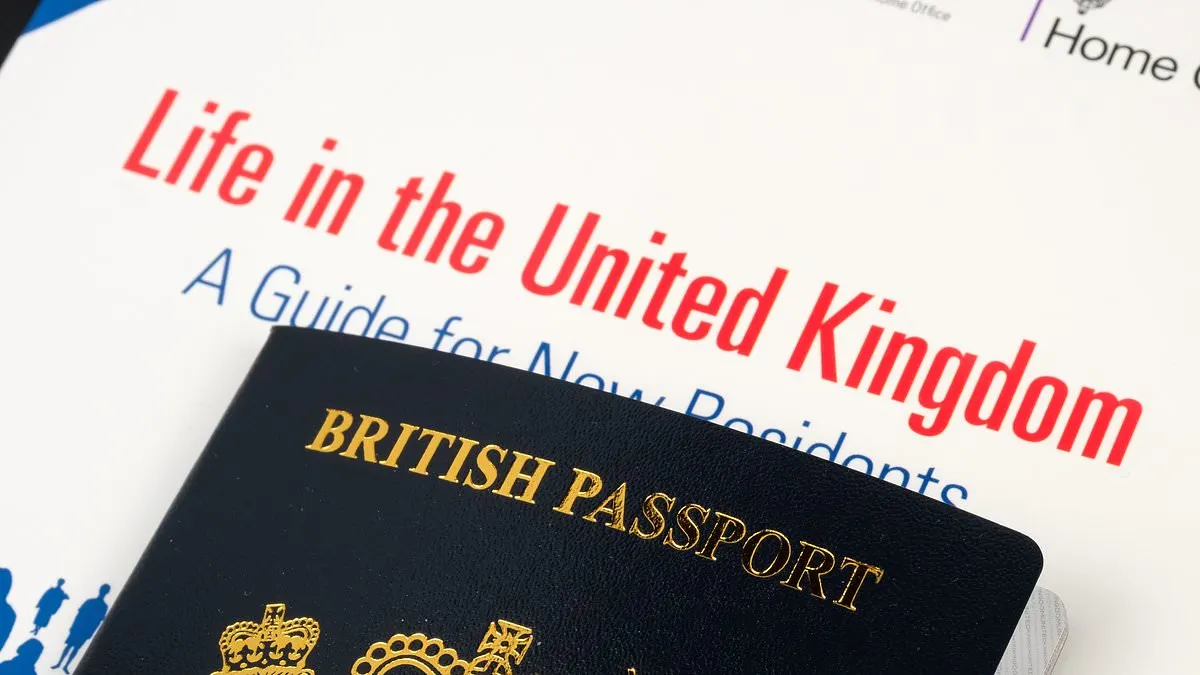
The Home Office is planning to spend £110 million moving the Life in the UK citizenship test online, allowing applicants to sit the exam from home rather than at designated test centres. The shift raises significant concerns about cheating, as the current in-person tests include strict security measures such as identity verification, security searches, CCTV monitoring and surveillance. The move is part of a "digital by default" approach planned to begin next year.
The Life in the UK Test is required for immigrants seeking British citizenship and currently costs £50, takes 45 minutes and requires a 75 per cent pass mark. Opposition politicians have warned that online testing could expose the immigration system to fraud, citing examples such as Mexico's top university requiring 58,000 people to resit entrance exams because of widespread cheating. The Home Office insists it will maintain advanced security measures and anyone caught cheating will have their test invalidated and their immigration application refused.
- Home Office spending £110 million to move citizenship tests online
- Critics warn remote exams are easier to cheat than in-person tests
- Test requires 75% pass mark and costs £50 to take
New here? Start with this
The Life in the UK Test is a requirement for immigrants seeking to become British citizens. It is a 45-minute exam costing £50 that tests knowledge of British culture, history and values, with candidates needing to achieve a 75 per cent pass mark.
The test is currently taken at dedicated test centres where strict security measures apply, including identity verification, security searches and CCTV monitoring. These measures are designed to prevent cheating and ensure the integrity of the citizenship process.
Plans to move the test online have sparked concerns about cheating because remote testing would lack the identity checks and surveillance that currently prevent fraud. Critics point to examples such as widespread cheating in a Mexican university's entrance exams to illustrate how online tests can be vulnerable to abuse when security measures are relaxed.
Both sides, in good faith
The strongest fair case each way — we don't pick a winner.
The case for
Online testing could enhance access to the citizenship pathway for applicants in remote areas or with mobility challenges, whilst modern remote proctoring technology—such as AI-enabled monitoring, biometric verification and secure browser controls—can provide robust fraud prevention comparable to physical test centres. The investment in security infrastructure and severe penalties for cheating create strong deterrents, and expanding accessible pathways to citizenship serves the broader public interest.
The case against
The risks of cheating undermine the integrity of citizenship acquisition, which carries profound implications for national identity and rights. In-person testing's layered security—identity verification, CCTV, security searches and direct supervision—has proven effective, whereas remote proctoring is inherently more difficult to monitor with equivalent rigour and can be circumvented through technical means. Real-world examples, such as Mexico's university requiring 58,000 examination retakes due to widespread fraud, demonstrate that online testing can harbour systemic vulnerability despite good intentions.