The traveller ‘land grab’ linked to Cambridge University: How Trinity College signed off £100,000 sale of land – which was then paved over and turned into caravan site
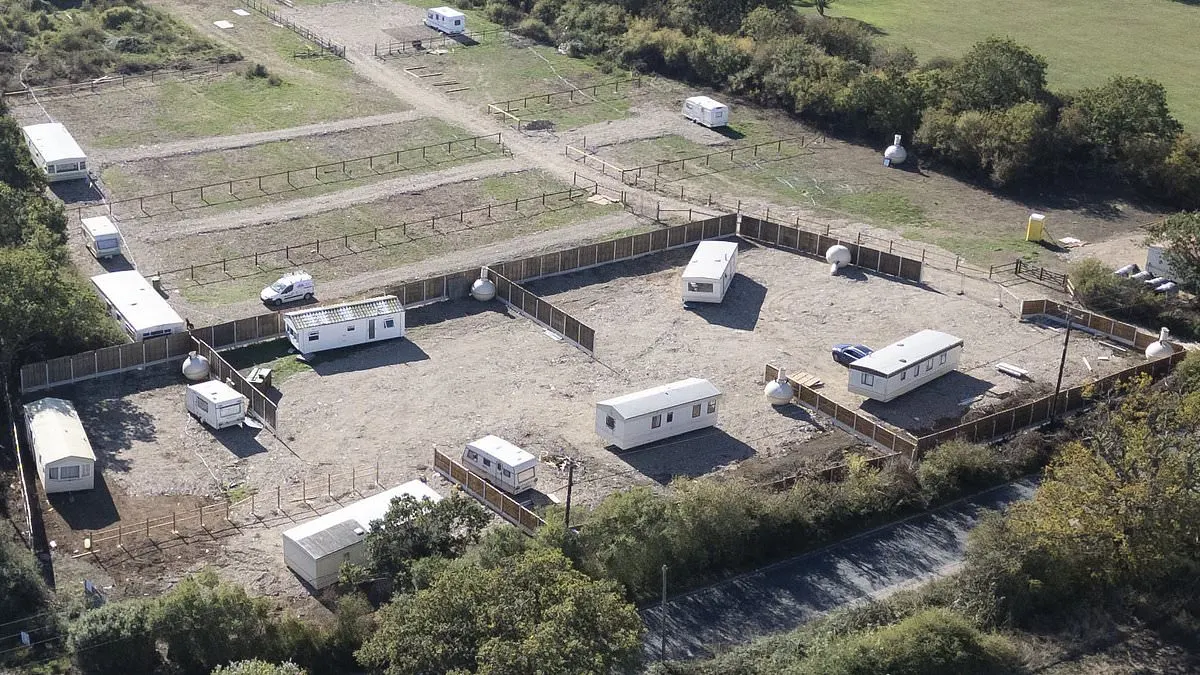
Rochford Council is facing questions about a field near Hockley, Essex, where unauthorised work began in August and which is now occupied by several traveller families. Trinity College, Cambridge, retains a legal interest in the land and approved its £100,000 sale in 2016, prompting local politicians to ask what checks it made and whether it can help enforce the restrictions.
The field was sold by local farmers Daniel and Marrion Squier, who had bought it from Trinity in 2014, to John Eastwood and Rachel Hilden. Rochford Council issued a stop notice and later obtained a High Court injunction barring further development or occupation. A retrospective application seeks permission for 15 pitches, each with a mobile home and up to two touring caravans; it has received more than 100 objections.
- Trinity retains a legal interest in the Essex field until 2044.
- The £100,000 sale in 2016 is now under scrutiny.
- A bid for 15 pitches has drawn over 100 objections.
New here? Start with this
A field near Hockley in Essex has been developed into a caravan site following unauthorised work in August, and is now occupied by several traveller families. The development has raised questions about how the land came to be sold and what checks were made on the transaction.
Trinity College, Cambridge, originally owned the field but sold it in 2014 to local farmers Daniel and Marrion Squier, who then sold it to John Eastwood and Rachel Hilden in 2016. Trinity College approved that sale, which cost £100,000, although it retained a legal interest in the property.
The controversy has prompted questions about what checks Trinity College made before approving the sale, and whether the college can help enforce restrictions on the land. Rochford Council faces scrutiny about what planning controls were in place and whether they were applied to prevent unauthorised development.
Both sides, in good faith
The strongest fair case each way — we don't pick a winner.
The case for
Planning procedures exist to protect communities by ensuring fair development and public input. Approving retrospective permission would reward unlawful conduct and encourage others to circumvent the system by building first and seeking forgiveness later. The High Court injunction and more than 100 local objections reflect both legal principle and broad community opposition to this development.
The case against
The traveller community faces a critical shortage of legal pitches coupled with well-documented discrimination in planning decisions. Rather than pursue enforcement without offering alternatives, planning should seriously weigh genuine housing need for one of Britain's most marginalised groups. The families already occupy the land; retrospective approval would regularise homes for people facing severe housing insecurity, which is ultimately fairer than enforcement alone.