Imported phones offer US buyers more choice but carry compatibility risks
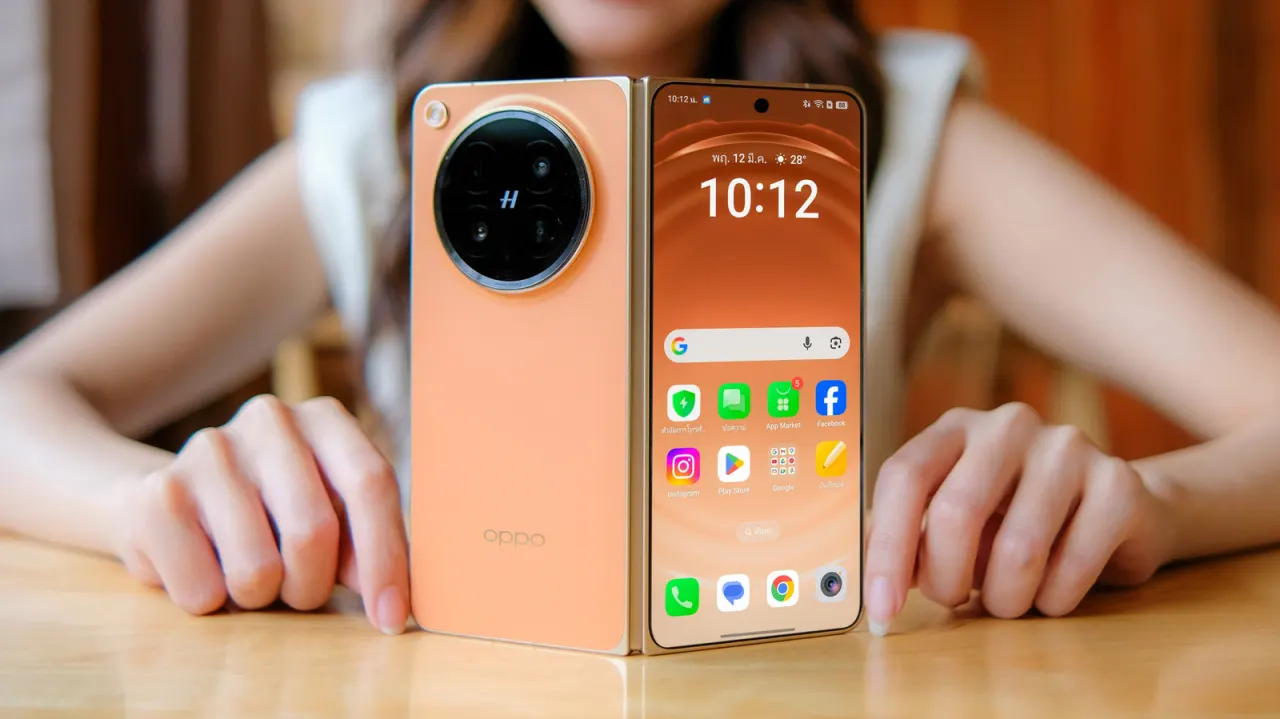
Importing a phone can give US buyers access to distinctive models that are not sold locally, including foldables and camera-focused flagships. The trade-off is uncertainty over network compatibility, software and repairs, so buyers should check their carrier and the specific model before ordering.
Most phones support many international frequency bands, but an imported model may lack 5G or carrier features such as Wi-Fi calling, VoLTE and visual voicemail. Updates may depend on region, some Chinese phones lack Google Play Services, and warranty or customer support in the US may be limited. As an example of the potential appeal, the Xiaomi 18 Fold is described as costing about $1,640 equivalent and offering a larger battery and better cameras; some international models also retain two physical SIM slots.
- Imported phones offer hardware unavailable in US shops.
- Carrier features, updates and Google services may be limited.
- Warranty repairs and support can be difficult to access.
New here? Start with this
Mobile phones sold in the United States are restricted to a relatively small number of models, mainly from major manufacturers like Apple, Samsung and Google. Some consumers seek imported devices to access models not available domestically, such as certain foldable phones or devices with enhanced cameras.
Imported phones can offer specifications, features or price points that are difficult to find in the US market. They may also include features that manufacturers have discontinued in models sold locally, such as dual physical SIM card slots that allow users to operate two numbers on a single device.
The trade-off is that imported phones may not work fully with US mobile carriers. A foreign model might lack support for all the network signals and features a carrier uses, including 5G or services like Wi-Fi calling, and buyers are unlikely to find warranty coverage or customer support in the United States.
Both sides, in good faith
The strongest fair case each way — we don't pick a winner.
The case for
Imported phones expand consumer choice by offering innovative models unavailable domestically, including foldables with larger batteries and superior cameras. Most devices support international frequency bands, and informed consumers can verify compatibility before purchasing. Restricting access primarily protects manufacturers' regional pricing strategies rather than genuine consumer interests. Adults capable of research should retain the freedom to choose products that best meet their needs, accepting support trade-offs for superior features or cost savings.
The case against
The compatibility risks are substantial and non-negotiable for most users. Imported phones frequently lack essential carrier features like 5G, VoLTE and Wi-Fi calling—not optional extras but fundamental functionality. Most consumers lack the technical expertise to verify compatibility reliably, yet face no recourse if problems emerge due to absent warranties and support. The appeal of dual SIM slots or superior cameras does not justify widespread exposure of mainstream consumers to significant functionality loss and zero support options.
Read the full article at the source →
Originally published by Engadget as “The pros and cons of importing foreign phones to the US”.