Artists share inspirations behind their work at London’s Frieze art fair
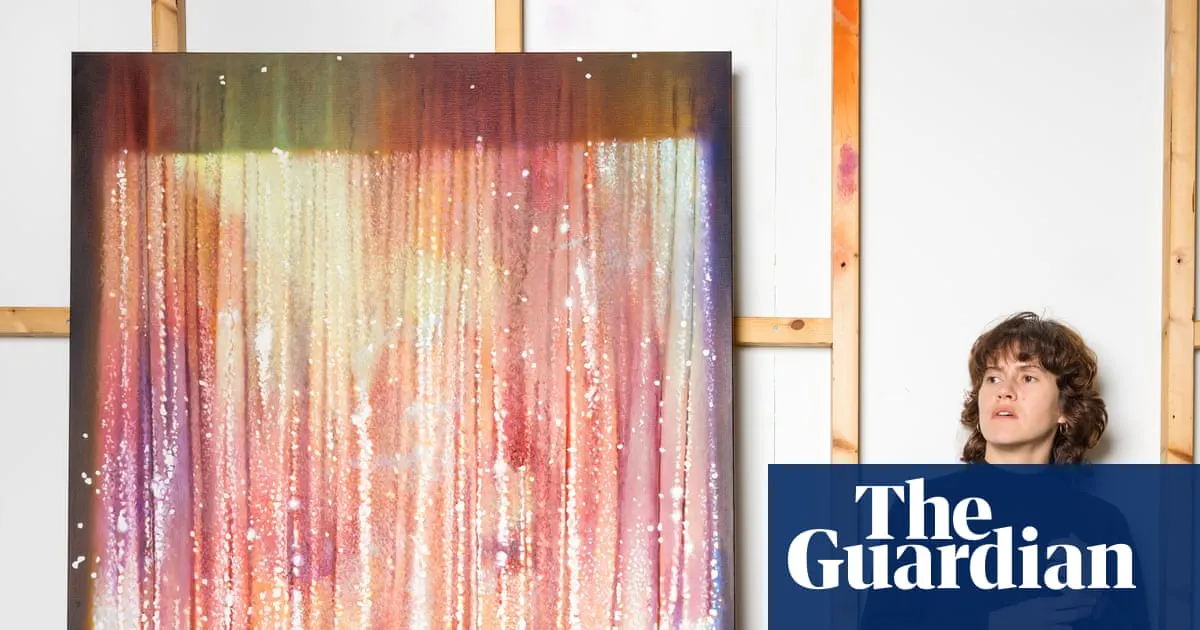
Frieze, London's annual art fair, has opened at Regent's Park, bringing together significant contemporary artists for the October edition. Eight British-based artists working across sculpture, painting, drawing and installation have shared insights into their creative practices, influences and ambitions. The fair remains a polarising institution within the art world: some criticise its commercial nature, whilst others celebrate the opportunity to encounter vast amounts of diverse contemporary art in a single setting.
The featured artists draw inspiration from diverse sources, including historical figures such as Turner, Marisa Merz and Frida Kahlo, as well as living practitioners who are pushing the boundaries of contemporary practice. Their work often engages with social realism, cultural heritage, folklore and personal experience, with several artists developing pieces specifically for the fair. Career highlights among the group include exhibitions at the Hepworth Wakefield, participation in the Venice Biennale and Barbican commissions, demonstrating the range of institutional recognition these emerging and mid-career practitioners have achieved.
- Eight British-based contemporary artists discuss their work and influences at Frieze.
- The fair remains controversial for its commercialism despite being a key art platform.
- The artists draw from diverse cultural traditions, social realism and personal heritage.
New here? Start with this
Frieze is London's annual contemporary art fair, held at Regent's Park each October, which brings together galleries and artists from around the world. The event generates debate within the art world—whilst many see it as an important platform for encountering diverse contemporary work, others criticise its commercial nature and market-driven approach.
Eight British-based artists participating in this year's fair work across sculpture, painting, drawing and installation, creating pieces that engage with themes including social realism, cultural heritage and personal experience. They draw inspiration from a range of sources, including historical artists like Turner, Marisa Merz and Frida Kahlo, as well as from contemporary practitioners who are pushing the boundaries of current artistic practice.
The featured artists have achieved significant institutional recognition, with exhibitions at venues including the Hepworth Wakefield, participation in the Venice Biennale, and commissions from the Barbican. Their presence at Frieze reflects the fair's role as a platform for emerging and mid-career artists to develop their careers and reach audiences within the contemporary art world.
Both sides, in good faith
The strongest fair case each way — we don't pick a winner.
The case for
Frieze provides an unparalleled opportunity for audiences and collectors alike to experience an extraordinary range of contemporary art in a single venue, facilitating important connections between artists, galleries and the public that might not otherwise occur. The fair's commercial structure enables galleries and artists to sustain their practices and reach wider audiences, whilst the calibre of work and institutional recognition demonstrated by participants—from Barbican commissions to Venice Biennale inclusion—reflects rigorous curation and genuine engagement with serious artistic practice.
The case against
The fair's emphasis on commercial transactions and wealthy collectors fundamentally undermines art's cultural purpose, transforming works into commodities for speculative investment rather than engaging the broader public with meaningful artistic expression. High ticket prices, gallery exclusivity and the fair's dependence on profitable sales inevitably favour established, commercially viable work over experimental or challenging practice, thereby excluding emerging artists and ordinary people from what purports to be a celebration of contemporary art.
Art Culture Entertainment Music
Read the full article at the source →
Originally published by The Guardian as “Pine cones, glitter and a hip-hop head for sale: red-hot artists reveal their Frieze stunners”.