Investor urges caravan owner to assess business viability and seek support
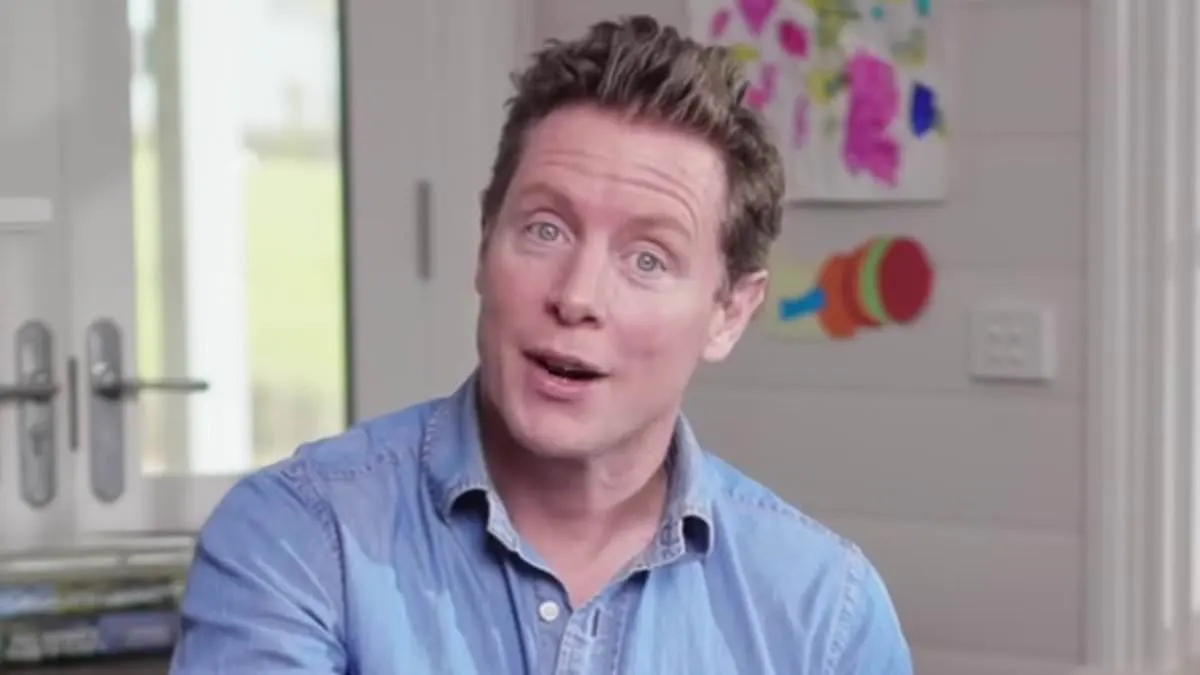
Caravan business owner John said his business had been badly damaged and blamed government spending, higher interest rates and the ATO’s plan to stop accepting credit card payments for tax bills. Investor Scott Pape advised him to focus less on criticising Canberra and more on whether the business remained viable, urging him to seek professional support.
The ATO had planned to end credit card tax payments from 1 December after a ban on card surcharges was introduced. Treasurer Jim Chalmers later delayed the change until 30 June 2027, following objections from small businesses; the ATO says about 2.3 per cent of tax payments are made by credit card. Pape recommended the free Small Business Debt Helpline, which offers financial counselling to small businesses.
- Scott Pape urged a struggling caravan business owner to assess its viability.
- The ATO’s credit card tax payment change has been delayed to June 2027.
- Pape recommended free specialist financial counselling for small businesses.
New here? Start with this
The Australian Taxation Office planned to stop accepting credit card payments for tax bills from 1 December 2026, following a ban on credit card surcharges. Small business owners objected to the proposed change, and Treasurer Jim Chalmers subsequently delayed it until 30 June 2027. The ATO notes that about 2.3 per cent of tax payments are made by credit card.
Small business owners have faced mounting pressures in recent years, including higher interest rates and broader economic challenges. Some have blamed government policies for contributing to these difficulties, which can be particularly severe for owners of seasonal or specialised businesses. When multiple costs rise at the same time, business viability can be threatened.
When businesses face serious financial difficulties, professional support is available to help owners understand their situation and options. Services such as the Small Business Debt Helpline offer free financial counselling to help business owners assess their circumstances and consider what steps might be appropriate.
Both sides, in good faith
The strongest fair case each way — we don't pick a winner.
The case for
John's concerns about government policy are substantive and deserve scrutiny. Interest rates, tax payment mechanism changes, and government spending decisions directly affect small business viability, and acknowledging these external factors is rational economic analysis rather than excuse-making. When macro conditions shift materially, understanding their impact is part of honest assessment of business circumstances.
The case against
Regardless of external conditions, a business owner's most essential task is assessing whether their current model remains viable. Policy complaints, even if justified, do not resolve the operational and financial questions that determine survival or failure. Pape's practical advice—to seek professional assessment and focus on controllable factors—is more productive than advocacy on matters an individual owner cannot influence.
Read the full article at the source →
Originally published by Daily Mail as “Barefoot Investor unleashes on a small business owner ‘hanging by a thread’ who was complaining about Albanese government”.