Sex Pistols singer Frank Carter throws “stupid” fan out of a gig – and the fans’s dad approves
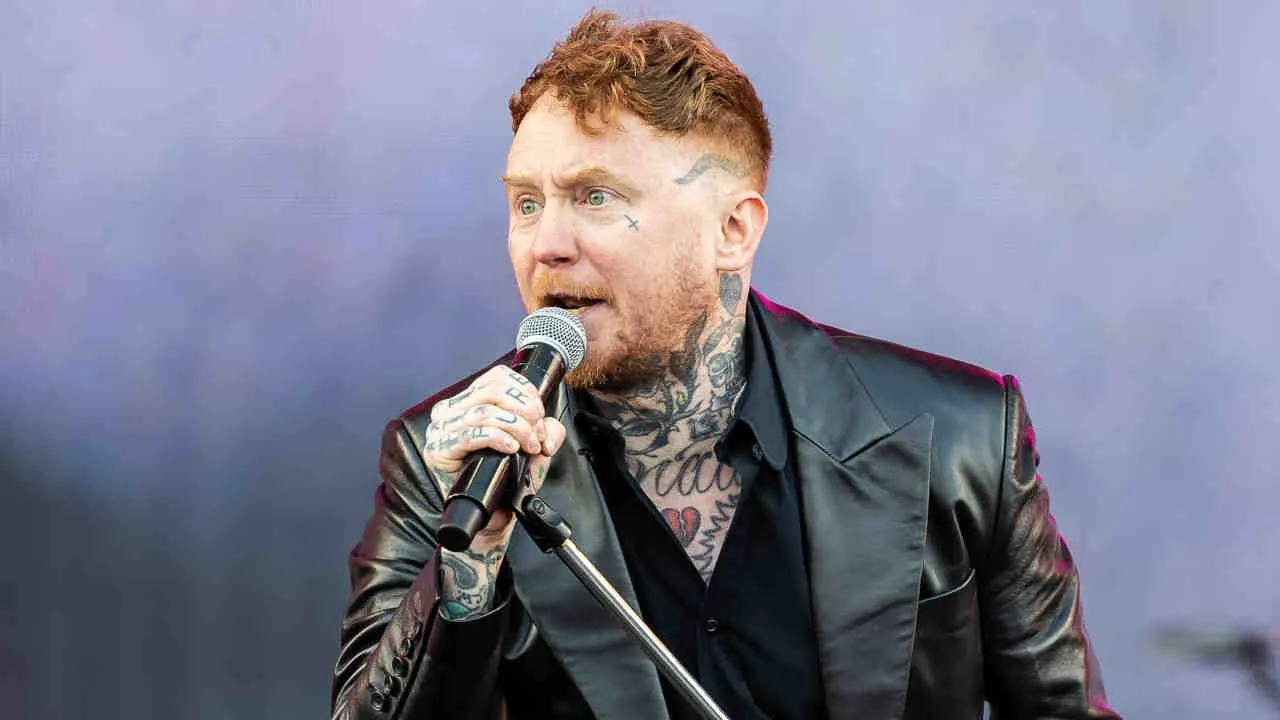
Frank Carter, frontman of the Sex Pistols, ejected a male fan from a gig in Denver for refusing to respect a women-only moshpit during the band's set. The incident sparked unexpected support from the fan's own father, who backed Carter's stance by calling his son "idiotic" on social media. Carter has become known for explicitly creating safe spaces at his shows and standing firm against what he sees as misogyny in the punk community.
The ejection occurred at the Ogden Theater in Denver, Colorado on October 9, when Carter had announced the women-only moshpit for one song and confronted the male fan from the stage with strong language about why women face safety issues in mosh pits. Following the incident, Carter expanded on his reasoning via Instagram stories, framing the issue as part of a broader problem of male entitlement and stating that "incels, homophobes, misogynists, racists, fascists" are not welcome at his shows.
- Sex Pistols' Frank Carter ejected a fan for disrupting a women-only moshpit
- The fan's own father publicly supported Carter's decision
- Carter said misogynists and incels are not welcome at his shows
New here? Start with this
Frank Carter is the lead singer of the Sex Pistols, a band known for their provocative punk aesthetic since the 1970s. At a recent gig in Denver, Colorado, Carter ejected a male fan from the mosh pit after he refused to respect a women-only designated area during one song.
Women-only sections in mosh pits are intended to provide a safer space for female audience members. Women attending concerts have reported experiencing physical harassment and assault in crowded dancing areas at venues, which is the rationale behind creating separated spaces within the pit.
The ejected fan's father subsequently supported Carter's decision on social media, publicly disagreeing with his son. Carter has established a pattern of enforcing behavioural standards at his shows, particularly regarding harassment and discrimination.
Both sides, in good faith
The strongest fair case each way — we don't pick a winner.
The case for
Women face documented safety concerns at high-energy music events, including harassment and assault; creating temporary women-only spaces directly addresses a genuine problem that existing security measures have failed to resolve. Artists have the right to curate their audience and enforce values aligned with their vision, and Carter's firm stance against misogyny reflects both a practical safety measure and his responsibility to provide a secure experience for attendees.
The case against
Gender-based segregation, even temporary and well-intentioned, mirrors historical practices many societies have moved away from and may not address root causes of the problem. Tackling safety through exclusion rather than sustained education, improved venue security, or cultural change could prove ineffective and sets a concerning precedent for solving social problems through separation rather than systemic reform that benefits everyone.