Bed bug horror aboard Qantas flight as passengers are bitten mid-air before travellers are stranded for days
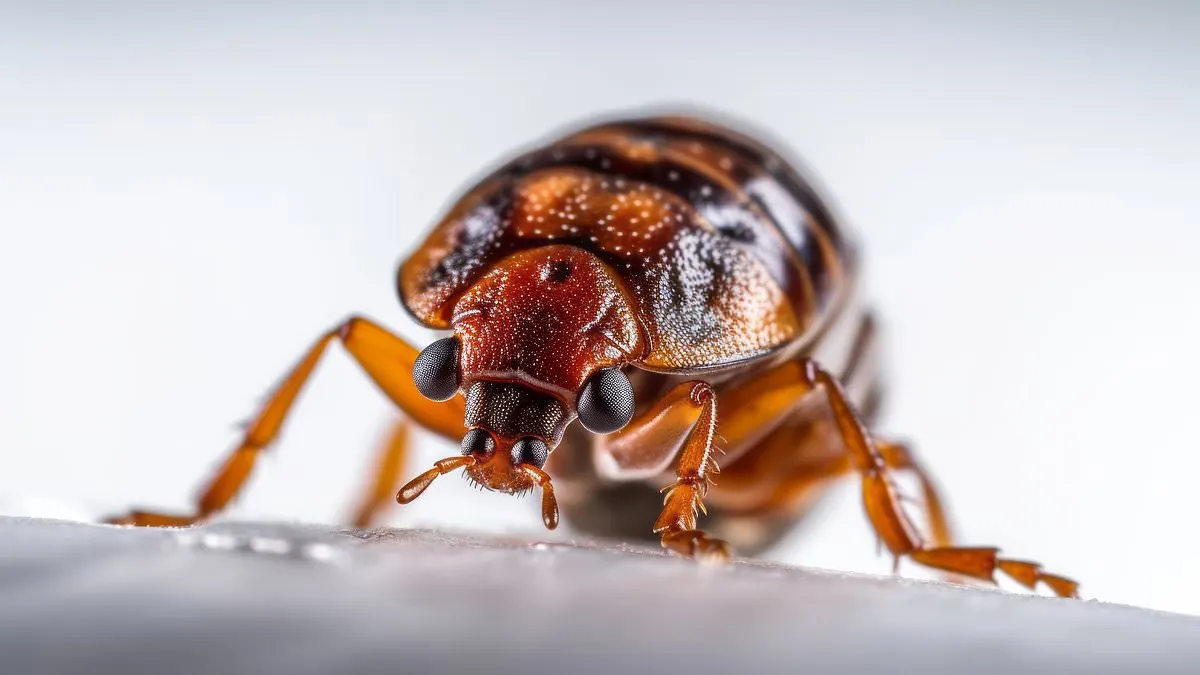
A Qantas Boeing 787 Dreamliner was grounded after passengers reported being bitten by bed bugs during flight QF5 from Perth to Rome on 9 October. The airline cancelled the return service from Rome to Perth to allow for deep cleaning and fumigation, stranding affected travellers for several days whilst they awaited rebooking on alternative flights.
Passengers received antihistamines on medical advice, though supplies ran short during the flight. Qantas provided accommodation and rebooked all affected passengers within 48 hours of their original departure. Bed bugs are wingless insects measuring 1 to 5 millimetres that feed on human blood and spread through clothing and luggage. Whilst their bites cause itching and swelling, they do not transmit disease, though they are notoriously difficult to eliminate, requiring heat treatments, freezing, chemical products and fumigation.
- Qantas aircraft grounded following bed bug outbreak on Perth-Rome flight
- Return flight cancelled; affected passengers rebooked within 48 hours
- Bed bugs do not spread disease but are difficult to eradicate
New here? Start with this
A Qantas Boeing 787 Dreamliner was grounded after passengers reported being bitten by bed bugs during a flight from Perth to Rome on 9 October. The airline cancelled the return service to allow for deep cleaning and fumigation, leaving affected passengers stranded whilst awaiting alternative flights.
Bed bugs are tiny wingless insects measuring 1 to 5 millimetres that feed on human blood and spread easily through clothing and luggage. Their bites cause itching and swelling but do not transmit disease, though the insects are notoriously difficult to eliminate, requiring heat treatments, chemicals and fumigation to eradicate fully.
Such incidents are significant because passengers can inadvertently carry bed bugs to their homes through their belongings, potentially causing wider infestation. Airlines must perform thorough treatment to ensure aircraft are safe to return to service and to prevent spread through transport networks.
Both sides, in good faith
The strongest fair case each way — we don't pick a winner.
The case for
Bed bugs are extraordinarily difficult to prevent, as they can be carried unknowingly by any passenger in luggage or clothing, making detection at boarding nearly impossible. Qantas responded appropriately by immediately grounding the aircraft for deep cleaning and fumigation—the only effective treatment—whilst providing medical support during the flight, arranging accommodation for affected passengers, and rebooking all travellers within 48 hours of their original departure. Given bed bugs' notorious persistence and the imperative to protect subsequent passengers, cancelling the return flight was a responsible, if regrettable, necessity.
The case against
Airlines have a fundamental responsibility to maintain hygiene standards that prevent such incidents, and passengers being bitten mid-flight represents a serious breach of that duty of care. The situation was compounded by inadequate preparation—medical supplies ran short, suggesting insufficient readiness to handle passenger welfare at scale—and the cancellation still stranded travellers for days, causing significant disruption despite eventual rebooking. Qantas should implement stricter pre-flight protocols, enhanced luggage inspection procedures, and more rigorous maintenance standards to prevent such failures occurring again.