World news and discussion on TalkFuse.
Trump defends US deal to release Russian diesel amid EU criticism
Developed over time first seen 2 months ago
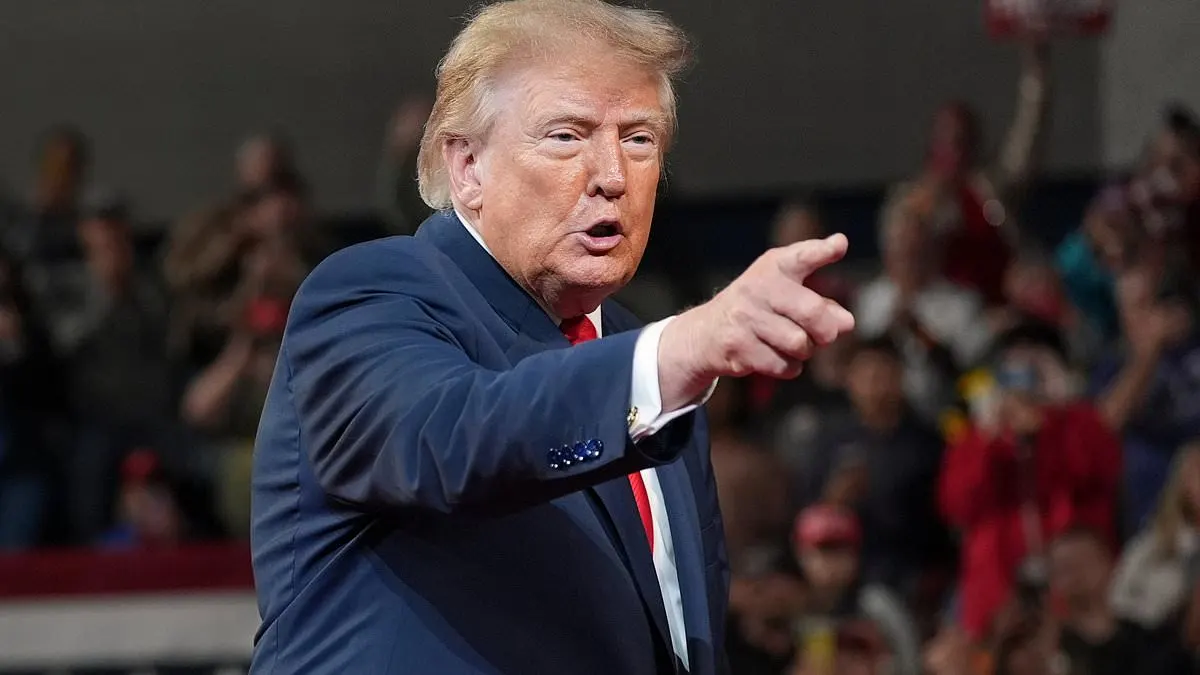
Donald Trump defended a US agreement to release Russian diesel, saying he had acted in America’s interests, and accused the EU of hypocrisy over its purchases of Russian energy. The deal has drawn criticism from Ukraine and its allies because the revenue could help Russia sustain its war against Ukraine.
The US Treasury is reportedly suspending sanctions until 7 April to allow 300,000 tonnes of diesel to be released, with 500,000 tonnes due in November and another one million tonnes later. Trump cited EU spending of $250 billion on Russian energy; a campaign group estimates the bloc has spent nearly €240 billion on Russian coal, oil and gas since February 2022. The agreement comes as US diesel prices have risen from $3.68 to $6.28 per gallon in a year.
- Sources
- 8
- Outlets
- 4
- Left · Centre · Right
- 1 · 3 · 4
In short
- Trump defended a deal to release Russian diesel.
- The first shipment is 300,000 tonnes.
- Ukraine says the deal could help prolong the war.
How this story developed
- 1 month ago The latest report again highlighted Zelensky’s objection that the US deal aids Russia, with Trump’s EU double-standards argument and the shipment schedule unchanged.
- 1 month ago The account reiterated the Treasury’s 7 April deadline and the staged diesel shipments, alongside the estimate of nearly €240 billion in EU spending since February 2022.
- 1 month ago Trump continued to justify the release by pointing to EU spending on Russian energy, while Zelensky maintained that the arrangement supported Russia’s war effort.
- 1 month ago Reports added that the sanctions suspension would run until 7 April and that US diesel prices had risen from $3.68 to $6.28 a gallon amid the dispute over energy purchases.
- 1 month ago Trump said the deal put America first as Zelensky renewed his criticism, while the reported shipment schedule remained 300,000 tonnes immediately, 500,000 in November and one million later.
- 1 month ago Trump defended the agreement by accusing the EU of double standards, citing estimates that it had spent about $270 billion on Russian fossil fuels since the invasion.
- The Hill Zelensky unleashes on Trump over Russia diesel deal
- Daily Mail Trump's diesel deal with tyrant Putin has strained relations with UK and other Ukraine allies, admits Miliband
- The Hill Trump picks fight with GOP senators over Russia diesel deal
- National Review Trump’s Desperate Diesel Deal
- Daily Mail Trump's diesel deal with Vladimir Putin sparks panic among Republicans ahead of midterm elections
- The Hill GOP senators condemn Trump's Russia diesel deal as 'betrayal of our allies'
- Daily Mail Trump defends US deal to release Russian diesel amid EU criticism
- NPR Bipartisan group of senators call on Trump to rescind Russian diesel deal
Full account
Donald Trump has sought to defend his administration's controversial arrangement with Russia to import diesel fuel into the United States, following widespread international condemnation. The accord permits Russian crude shipments to reach American consumers, with the US Treasury temporarily suspending export restrictions until April 2027. Initial deliveries of 300,000 tonnes will reach the market, succeeded by substantially larger quantities throughout the remainder of the year.
Responding to criticism, the President has challenged the European Union's moral standing, asserting that Brussels has channelled considerably greater financial resources to the Kremlin through energy acquisitions. Trump cited estimates indicating the EU has spent between €240 billion and $270 billion on Russian coal, oil and gas since Ukraine's 2022 invasion, claiming media outlets have ignored this apparent inconsistency whilst scrutinising his own deal. He maintained that American interests must take precedence in such decisions.
Ukraine's government has characterised the arrangement as strategically detrimental to its defence efforts. President Volodymyr Zelensky condemned the fuel release as effectively subsidising Russian military operations. Tensions stem partly from Ukrainian strikes targeting Russian energy infrastructure, which American officials contend has undermined diplomatic relations, though Kyiv maintains such military operations remain tactically essential.
Britain's Foreign Secretary Ed Miliband described the diplomatic situation as considerably strained following the announcement. Speaking at the Warsaw Security Forum, he reaffirmed support for Zelensky's leadership whilst indicating that Trump's proposed 'energy ceasefire' merits serious examination. Miliband stressed that Europe must strengthen defences against Russian hybrid threats, encompassing disinformation, cyber-attacks and espionage operations.
The agreement coincides with elevated American fuel costs, with diesel prices having risen substantially over the past year, prompting Republican concerns ahead of midterm elections. Ukrainian refusal to cease targeting Russian oil refineries reportedly prompted Trump to pursue the arrangement independently. The administration presents the fuel availability as addressing domestic consumer prices rather than constituting a strategic concession to Moscow.
Where outlets differ
From the full account, which is AI-written from the sources:
Source 1 emphasises Trump's direct counterattack comparing EU energy spending; Source 2 focuses on diplomatic strain and measured international response
Source 1 provides specific shipment volumes and sanctions suspension date; Source 2 concentrates on political context and electoral considerations
Source 1 includes Putin aide's commentary on negotiation cordiality; Source 2 emphasises concerns about Russian hybrid warfare campaigns
Source 1 frames argument through Trump's 'America first' rhetoric; Source 2 positions issue within broader transatlantic relations crisis
Source 1 details EU member states' individual Russian energy imports; Source 2 references recent Russian attacks on Ukrainian infrastructure
Left-leaning outlets 1
Only here: bipartisan, group, call, rescind
Centre outlets 3
- Zelensky unleashes on Trump over Russia diesel dealThe Hill
- Trump picks fight with GOP senators over Russia diesel dealThe Hill
- GOP senators condemn Trump's Russia diesel deal as 'betrayal of our allies'The Hill
Only here: russia, zelensky, unleashes, picks, fight
Right-leaning outlets 4
- Trump defends US deal to release Russian diesel amid EU criticismDaily Mail
- Trump's diesel deal with tyrant Putin has strained relations with UK and other Ukraine allies, admits MilibandDaily Mail
- Trump’s Desperate Diesel DealNational Review
- Trump's diesel deal with Vladimir Putin sparks panic among Republicans ahead of midterm electionsDaily Mail
Only here: putin, defends, release, criticism, tyrant
Every side used: trump, diesel, deal
Headline columns compared word for word; nothing in them is AI-written.
Steelman: both sides, in good faith
The strongest fair case each way — we don't pick a winner.
The case for
A president must prioritise securing affordable energy for American markets, and the EU's spending of €240–270 billion on Russian energy since 2022 demonstrates that absolute sanctions lack global consensus. The energy ceasefire provision reduces civilian suffering from attacks on energy infrastructure, whilst pragmatic diplomacy with rivals has achieved objectives throughout history. Lower prices benefit American consumers and businesses, and maintaining costly sanctions others circumvent is not a sustainable long-term strategy.
The case against
Suspending sanctions on Russian diesel provides Putin with revenue that directly funds military operations against Ukraine, abandoning an allied nation facing existential threat when it most needs Western commitment. Noting the EU's past mistakes does not justify repeating them or surrendering the leverage sanctions provide; Ukraine's survival depends on maximum pressure on Russia, not verifiable ceasefires. Abandoning principled opposition to invasion and alliance commitments weakens Western responses to aggression and establishes dangerous precedent.
Explained simply
Russia's invasion of Ukraine in February 2022 prompted Western governments to impose economic sanctions aimed at damaging Russia's wartime economy. Energy exports have been a particular focus, as Russia's oil and gas sales generate substantial government revenues used to finance military operations. The conflict has devastated Ukraine, with hundreds of thousands killed and millions displaced after more than four years of fighting.
The United States has historically been less dependent on Russian energy than Europe, but American leaders have supported sanctions on Russian oil and gas exports as part of broader efforts to weaken Russia's capacity for war. Different countries have at times had different views on how strict sanctions should be, balancing security concerns against economic costs.
Donald Trump took office in January 2025 as someone willing to negotiate directly with both Russia and Ukraine to end the conflict. His administration has signalled openness to using sanctions relief as part of peace negotiations, viewing strategic incentives as potentially helpful in encouraging both sides to agree to a ceasefire and settlement.
Coverage · 8 sources
Bias meters
From 8 rated sources.
- Daily MailRightTrump defends US deal to release Russian diesel amid EU criticism
- The HillCentreZelensky unleashes on Trump over Russia diesel deal
- Daily MailRightTrump's diesel deal with tyrant Putin has strained relations with UK and other Ukraine allies, admits Miliband
- The HillCentreTrump picks fight with GOP senators over Russia diesel deal
- National ReviewRightTrump’s Desperate Diesel Deal
- Daily MailRightTrump's diesel deal with Vladimir Putin sparks panic among Republicans ahead of midterm elections
- The HillCentreGOP senators condemn Trump's Russia diesel deal as 'betrayal of our allies'
- NPRLeftBipartisan group of senators call on Trump to rescind Russian diesel deal
Europe Government Politics World
Read the full article at the source →
Originally published by Daily Mail as “Trump lashes out at fury over Putin diesel deal and says ‘the EU paid Russia $250 billion for energy – Always, America first’”.