World news and discussion on TalkFuse.
Qantas grounds 787 after bed bugs bite passengers on Rome flight
Developed over time first seen 2 months ago
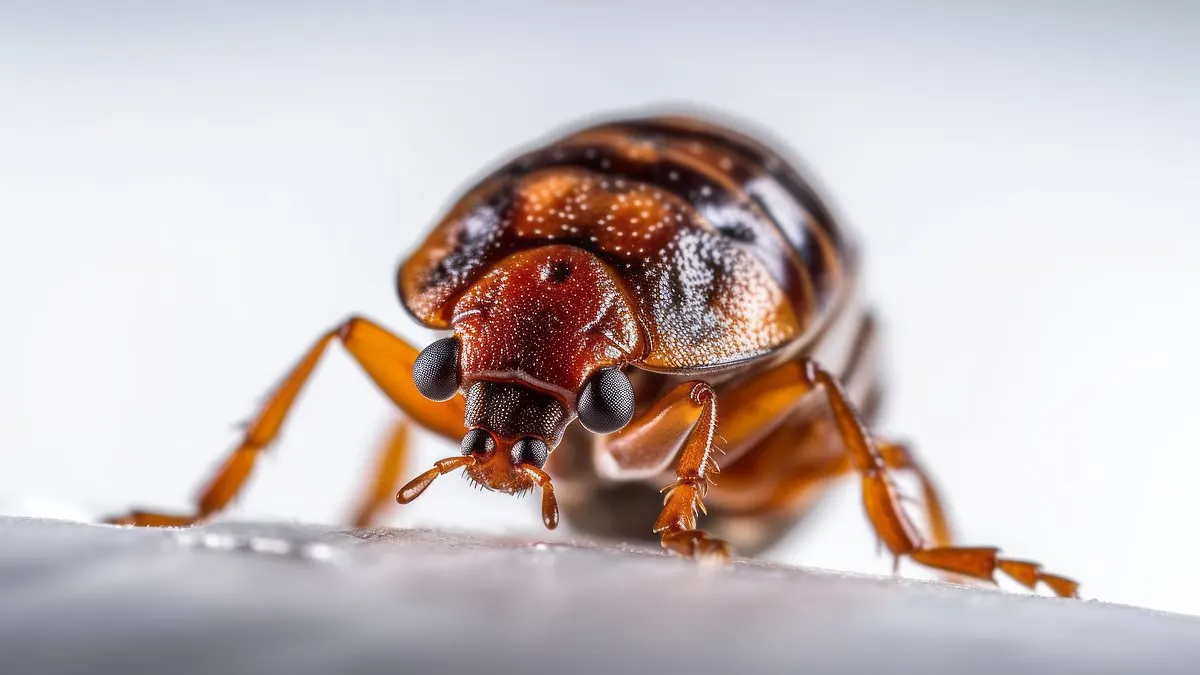
A Qantas Boeing 787 Dreamliner was grounded on Saturday after bed bugs infested the aircraft during a nearly 17-hour flight from Perth to Rome the previous day. Passengers reported being bitten during Friday's service and were given antihistamines, though supplies ran short, prompting Qantas to cancel Saturday's return flight to Perth for a deep clean. All affected customers were provided with accommodation and rebooked on alternative flights within 48 hours.
Bed bugs are small, wingless parasites that cause itchy bites but typically do not lead to serious health problems, according to the NHS. However, they are difficult and expensive to eliminate, requiring hot washing and tumble-drying of textiles or freezing items for several days. This incident reflects a broader pattern of bedbug infestations affecting international travel, with recent problems reported on Southeastern train services, British Airways flights and Turkish Airlines aircraft.
- Sources
- 2
- Outlets
- 2
- Left · Centre · Right
- 0 · 1 · 1
In short
- Qantas cancelled Rome to Perth flight after bed bugs infested aircraft during previous service
- Passengers bitten on Friday flight; airline provided accommodation and rebooked all within 48 hours
- Bed bug infestations increasingly common in travel sector, difficult and expensive to treat
How this story developed
- 2 months ago All affected passengers were provided with accommodation and rebooked on alternative flights within 48 hours, with the incident illustrating a broader pattern of bed bug infestations affecting international travel.
- 2 months ago The airline immediately removed the aircraft from service for comprehensive fumigation and deep cleaning, with the scheduled return flight to Rome cancelled to permit the necessary procedures.
- 2 months ago A Qantas Boeing 787 was grounded after bed bugs infested the aircraft on a 17-hour flight from Perth to Rome on Friday, with passengers bitten during the service and provided with antihistamines.
Full account
Australia's leading airline has withdrawn one of its long-haul aircraft from service following the discovery of bed bugs on a flight between Perth and Rome, creating significant passenger disruptions. The parasitic infestation necessitated the cancellation of the return journey and a complete decontamination procedure.
On October 9, travellers occupying economy cabins reported being bitten by insects during the nearly seventeen-hour eastbound flight from Western Australia to Italy. Cabin crew distributed antihistamine medication to affected passengers, though supplies proved insufficient to treat everyone impacted. The full extent of the outbreak became apparent only after landing in Rome.
Qantas subsequently cancelled Saturday's westbound service to enable thorough cleaning and fumigation operations. The airline confirmed insects were discovered in specific economy seating areas. All affected passengers received hotel accommodation in Rome and were transferred to alternative flights, with the carrier guaranteeing rebooking within two days of their original scheduled departure.
The Perth-Rome corridor represents a flagship route within Qantas's international network. The airline had recently extended the seasonal operation, introducing additional flights and thousands of extra seats to capitalise on demand through late October.
Bed bugs are minuscule wingless parasites, typically one to five millimetres in length, that sustain themselves through human blood. The insects establish themselves in textiles and furnishings aboard aircraft and proliferate readily in enclosed environments. Whilst their bites cause discomfort, medical evidence indicates they do not transmit disease to humans.
Treating infestations typically requires multiple approaches. These include subjecting contaminated textiles to high-temperature washing and tumble-drying, exposing items to prolonged freezing, and applying chemical pesticides through fumigation. The necessity for combined interventions reflects the considerable difficulty in achieving complete eradication.
Where outlets differ
From the full account, which is AI-written from the sources:
Source 1 emphasises the route's commercial significance with specific capacity figures (40 additional flights and nearly 10,000 seats); Source 2 omits this operational context entirely
Source 1 cites Victorian Government health guidance; Source 2 references NHS information
Source 2 provides detailed treatment specifications (hot washing, tumble-drying, three to four-day freezing duration); Source 1 emphasises fumigation as the primary intervention
Source 2 offers broader comparative context about transport sector infestations, specifically mentioning recent Southeastern train service cancellations; Source 1 restricts comparison to aviation incidents
Source 2 emphasises the reputational dimension of the Turkish Airlines situation, referencing New York Times reporting and allegations the airline failed to act appropriately; Source 1 simply reports the incident's occurrence
Centre outlets 1
Only here: cancels, rome, perth, bedbug, clean
Right-leaning outlets 1
Only here: horror, aboard, passengers, bitten, travellers
Every side used: qantas, flight
Headline columns compared word for word; nothing in them is AI-written.
Steelman: both sides, in good faith
The strongest fair case each way — we don't pick a winner.
The case for
Qantas passengers paying for premium long-haul service experienced pest infestations and bites, indicating the airline's hygiene standards and pre-flight inspections fell short of expected safety standards. The airline's subsequent stranding of passengers for days further demonstrates inadequate contingency planning, leaving customers without timely rebooking and support during significant disruption.
The case against
Bed bugs are a persistent industry-wide problem that can infest even meticulously maintained aircraft, typically introduced through passenger luggage rather than airline negligence. Qantas acted responsibly by immediately grounding and thoroughly treating the aircraft rather than risking further passenger exposure, and whilst the passenger disruption was regrettable, deep fumigation was necessary and appropriate before returning the aircraft to service.
Explained simply
Qantas is Australia's largest airline. A Boeing 787 Dreamliner aircraft on a Perth to Rome flight in early October was found to be infested with bed bugs, with multiple passengers reporting bites during the 17-hour journey. The airline immediately took the aircraft out of service and began extensive cleaning and fumigation to eliminate the infestation.
Bed bugs are small parasitic insects that feed on human blood and typically cause itching and skin reactions. Aircraft are particularly vulnerable to infestations because the confined cabin environment and constant global movement of planes across different routes can allow the insects to spread quickly to other aircraft and locations worldwide.
The incident led Qantas to cancel the aircraft's scheduled return flight, leaving passengers stranded and requiring rebooking on alternative flights. The episode highlights how infestations can occur despite industry hygiene standards and illustrates the challenge airlines face in preventing such contamination during international travel.
Coverage · 2 sources
Bias meters
From 2 rated sources.
Americas Culture Entertainment Europe Horror Travel World