Don’t buy a cheap Android phone without these non-negotiable features
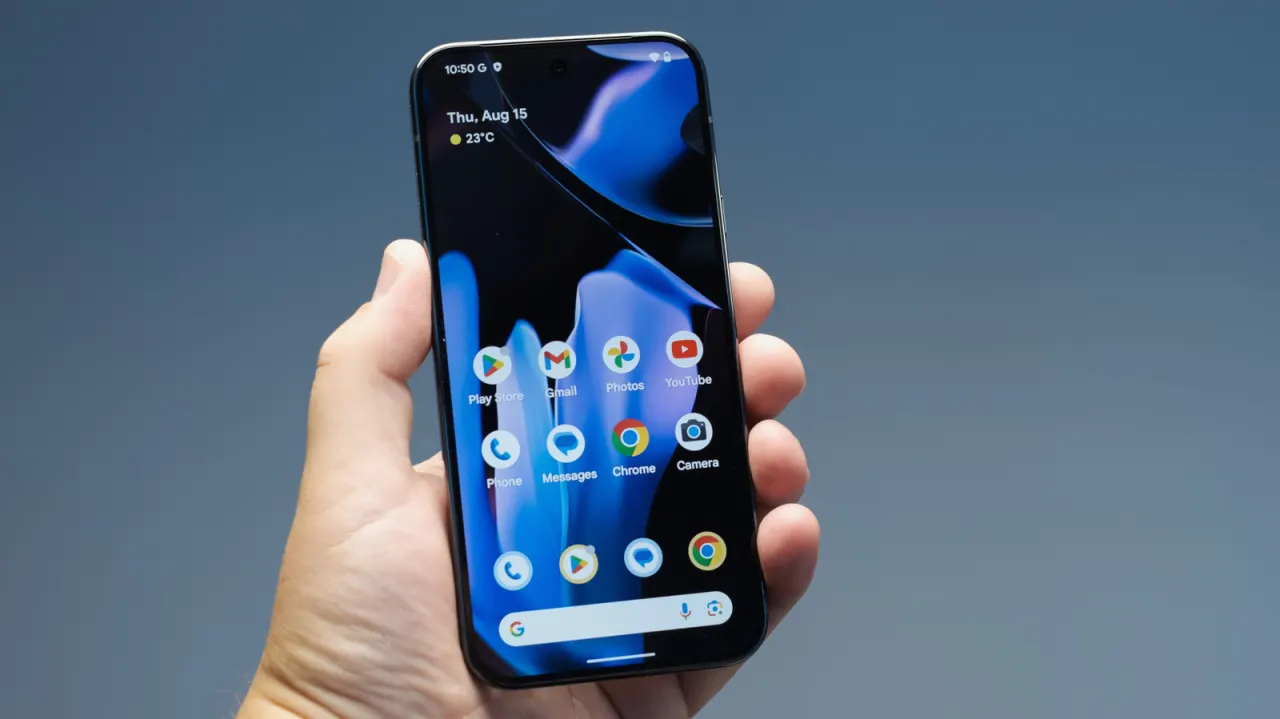
When shopping for a budget Android phone under £300, several features are non-negotiable to ensure good daily performance. Here's what you should prioritise:
– Screen: at least 5.6 inches, AMOLED panel, HD resolution, 1,000 nits peak brightness minimum – RAM: 6GB minimum (8GB if gaming) – Storage: 128GB minimum, 256GB recommended – Processor: avoid outdated or slow chips; research reviews and performance – Battery: 4,500mAh minimum, 5,000mAh preferable for all-day use – Cameras: rear 32MP+ with good sensor; front 12MP minimum – Other features: NFC, recent Bluetooth, several years of software support
Good options include Samsung Galaxy A series, Nothing, Motorola and older Google Pixel phones.
- Budget phones can perform well with the right specs
- Don't compromise on RAM, processor, battery or screen quality
- Target 6GB RAM, 5,000mAh battery, 128GB storage minimum
New here? Start with this
The budget smartphone market offers phones under £300 intended to provide good value without large upfront costs. Millions of people shop in this segment when replacing older devices or buying their first phone. Knowing which features matter most helps shoppers make informed choices about which phone will suit their needs.
Major smartphone manufacturers including Samsung, Motorola and Google all compete in the affordable segment, as do newer companies like Nothing. These brands approach budget phones differently, prioritising different aspects like screen quality, battery life or camera performance. The variety means buyers face choices between different options based on which brand's priorities match their own needs.
For most users, a budget phone becomes their primary device for messaging, browsing, photography and entertainment. Different users have different priorities, with someone who takes many photos having different needs than someone who primarily browses the web. Understanding which specifications genuinely affect daily experience helps buyers make appropriate choices.
Both sides, in good faith
The strongest fair case each way — we don't pick a winner.
The case for
These specifications represent genuinely important quality-of-life factors that protect consumers from false economy. Phones with lower specs typically become frustratingly slow and unsupported within 18 months, leaving users stuck with poor performance and security vulnerabilities. Recommending these minimum standards respects consumer interests by ensuring the phone remains genuinely usable for several years, making the initial investment worthwhile.
The case against
Different users have genuinely different needs and budgets, and these recommendations may be overly demanding for casual users. A phone with lower specifications—such as 4GB RAM and 64GB storage—can handle basic tasks like calling, messaging, social media and email perfectly adequately. Prescribing such high minimums risks pushing budget-conscious consumers toward the upper end of their budget when they could be equally satisfied with a significantly cheaper device that meets their actual needs.