Daughter of Fort Hood victim blasts Hegseth’s plan to livestream execution
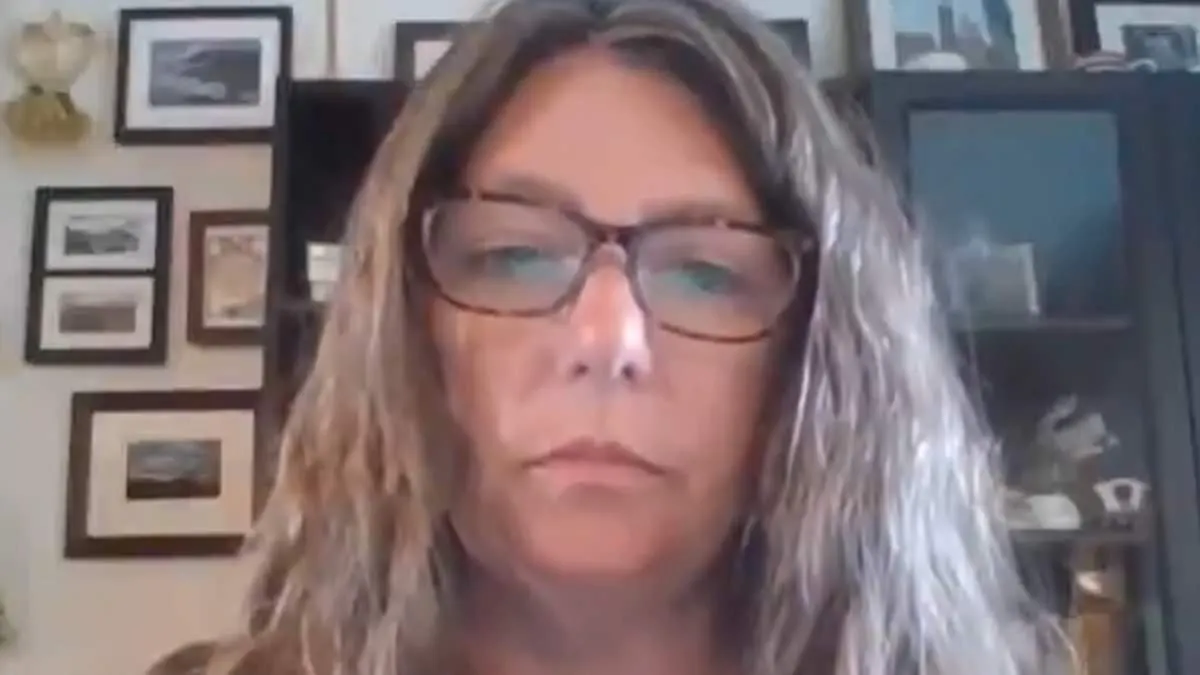
The daughter of a Fort Hood shooting victim has criticised the Trump administration's proposal to livestream the execution of Nidal Malik Hasan by firing squad. Keely Cahill Vanacker, whose father Michael was one of 13 people killed in the 2009 attack, said the plan turns tragedy into entertainment and lacks any link to genuine justice. She expressed concern that social media would amplify the horror of such a public spectacle, and noted that neither she nor her family had been consulted by the administration or Pentagon.
Hasan, a former Army Major, opened fire at a medical processing centre at Fort Hood, killing 13 people and wounding 20 others. He was convicted in 2013 of 13 counts of premeditated murder and 32 counts of attempted murder, claiming he was targeting soldiers deploying to Afghanistan. The execution is scheduled for December 3, but President Trump said over the weekend that he has not yet made a final decision on whether it will be livestreamed, citing concerns from the military but noting that public executions might deter similar attacks.
- Fort Hood victim's daughter criticises livestream execution plan as entertainment, not justice
- Says administration hasn't consulted victims' families about the controversial proposal
- Trump hasn't confirmed final decision despite initial backing from Pete Hegseth
New here? Start with this
In 2009, a shooting at Fort Hood military base in Texas killed 13 people and wounded 20 others. The attack took place at a medical processing centre where soldiers were being evaluated before deployment to Afghanistan, and it remains one of the worst mass shootings at a United States military installation.
Nidal Malik Hasan, a former Army Major, carried out the attack. He was convicted in 2013 of 13 counts of premeditated murder and 32 counts of attempted murder. He has been on death row ever since, with his execution now scheduled for December.
The Trump administration has proposed livestreaming Hasan's execution. Some victim families have questioned the proposal, expressing concern about whether broadcasting such an event would serve the purposes of justice. This has contributed to broader debate about how executions should be conducted and whether they should be made public.
Both sides, in good faith
The strongest fair case each way — we don't pick a winner.
The case for
Proponents argue that government transparency serves both accountability and deterrence. When executions occur with limited public oversight, proper procedure cannot be verified and constitutional protections cannot be assured. Public knowledge of serious consequences for mass violence may effectively deter similar attacks in ways that hidden executions cannot achieve. They contend this respects democratic principles—citizens have a right to understand how government exercises its most grave powers—whilst pursuing practical justice through visible accountability.
The case against
Critics maintain that transparency and accountability do not require spectacle. Press access and official records can ensure proper procedure without converting execution into entertainment. They argue that broadcasting the execution risks degrading the dignity of both the condemned and victims' families, transforming tragedy into content for engagement metrics. They contend there is no evidence that public executions deter violence more effectively than the knowledge of capital punishment itself, making the additional step of livestreaming gratuitous voyeurism that adds no legitimate purpose to justice.