World news and discussion on TalkFuse.
Trump denies Iran is getting military help from Russia and China, despite worries from ‘morons and lunatics’
Developed over time first seen 2 months ago
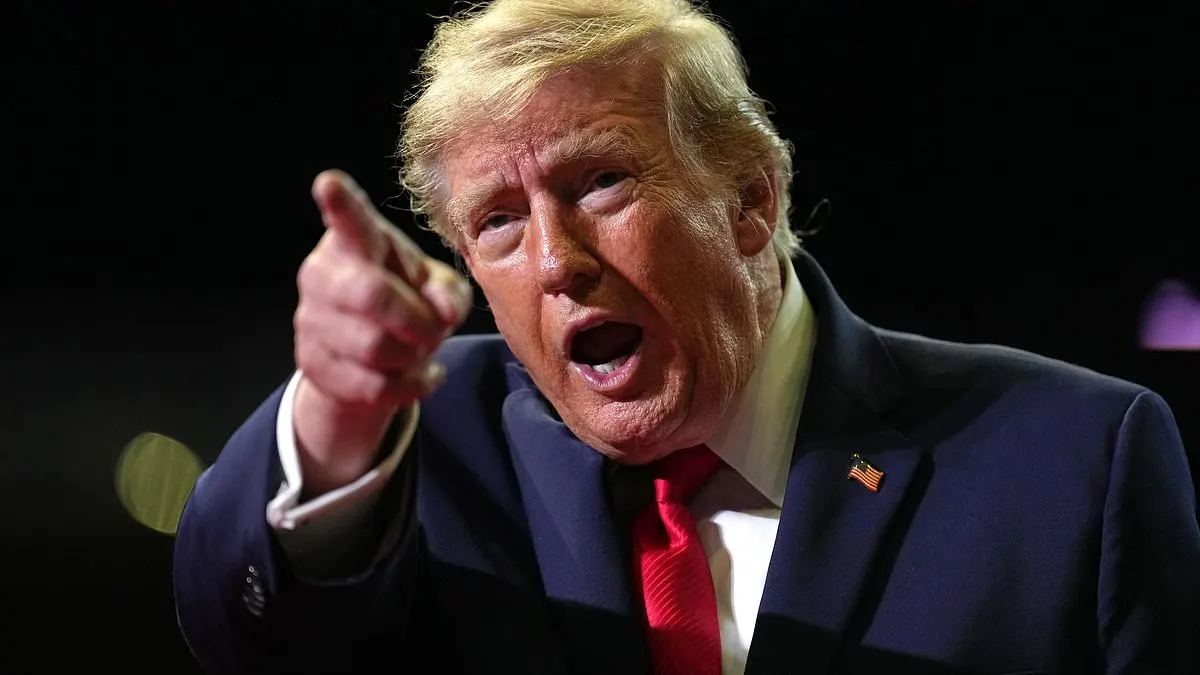
Donald Trump has denied that Russia or China are giving Iran significant military help, while attacking critics who raised the concern. His comments followed a deal to buy large quantities of Russian diesel, drawing criticism that the purchase could support Russia’s war against Ukraine and undermine US sanctions.
Trump said any assistance to Iran would be at a very low level, though he did not believe it was happening. He said Russia would supply more than 300,000 tonnes of diesel immediately, followed by 500,000 tonnes in November, one million tonnes after that and a further three million tonnes within a short period. Ukrainian President Volodymyr Zelenskyy called the deal weak, while Republican Senator Thom Tillis warned that Putin could not be trusted and that the decision risked American lives.
- Sources
- 2
- Outlets
- 2
- Left · Centre · Right
- 0 · 1 · 1
In short
- Trump dismissed claims that Russia and China are helping Iran.
- His Russian diesel deal has drawn criticism from US and Ukrainian figures.
- Senator Thom Tillis warned that trusting Putin could put Americans at risk.
How this story developed
- 2 months ago Trump has denied that Russia and China are providing significant military help to Iran, saying he does not believe they are involved and would expect the US to know quickly if they were.
- 2 months ago Donald Trump denied that Russia and China are materially helping Iran, dismissing critics who have raised concerns about their ties.
- 2 months ago Donald Trump has denied that Russia or China are giving Iran significant military help, while attacking critics who raised the concern.
Where outlets differ
Centre outlets 1
Only here: much, lose
Right-leaning outlets 1
Only here: denies, getting, military, despite, worries
Every side used: trump, china, russia, help, iran
Headline columns compared word for word; nothing in them is AI-written.
Steelman: both sides, in good faith
The strongest fair case each way — we don't pick a winner.
The case for
Proponents of Trump's position would argue that acquiring necessary diesel at viable prices represents sound geopolitical pragmatism rather than military assistance. They contend that limited commercial transactions with rival nations need not constitute material aid, that diesel serves legitimate civilian purposes alongside military applications, and that critics may overstate the causal link between fuel sales and Iranian military capacity. Some would suggest the approach reflects an understanding that sustained economic isolation has proven ineffective and that selective engagement serves long-term strategic interests.
The case against
Opponents argue that diesel sales effectively free Iran's own resources for military and terrorist operations, particularly given documented intelligence-sharing between Russia and Iran that suggests a deeper military partnership. They contend that simultaneously empowering both regimes—through fuel provision and tacit support for Russia's war in Ukraine—contradicts established US security policy, alliance commitments, and the stated objective of constraining Iranian military expansion. Bipartisan concern, including from Republican senators, reflects genuine threat assessment rather than partisan opposition.
Explained simply
President Donald Trump has rejected claims that Russia and China are supplying military aid to Iran. He has announced a substantial agreement for Russia to supply diesel fuel to the United States, with initial deliveries exceeding 300,000 tonnes and increasing volumes to follow.
The agreement has drawn criticism from both political parties, with concerns that it could strengthen Russia's position in its war against Ukraine and potentially endanger American personnel. Some critics have highlighted reports of intelligence sharing between Russia and Iran as evidence that the two countries are deepening their military relationship.
The dispute reflects broader concerns about Iran's alignment with major powers and the implications for Western security interests. Ukrainian President Volodymyr Zelenskyy has joined American critics in questioning the agreement, describing it as weak.
Coverage · 2 sources
Bias meters
From 2 rated sources.
Americas Asia Europe Middle East World