Newly released text messages show Jane Doe chatting with roommate during alleged Cornell rape
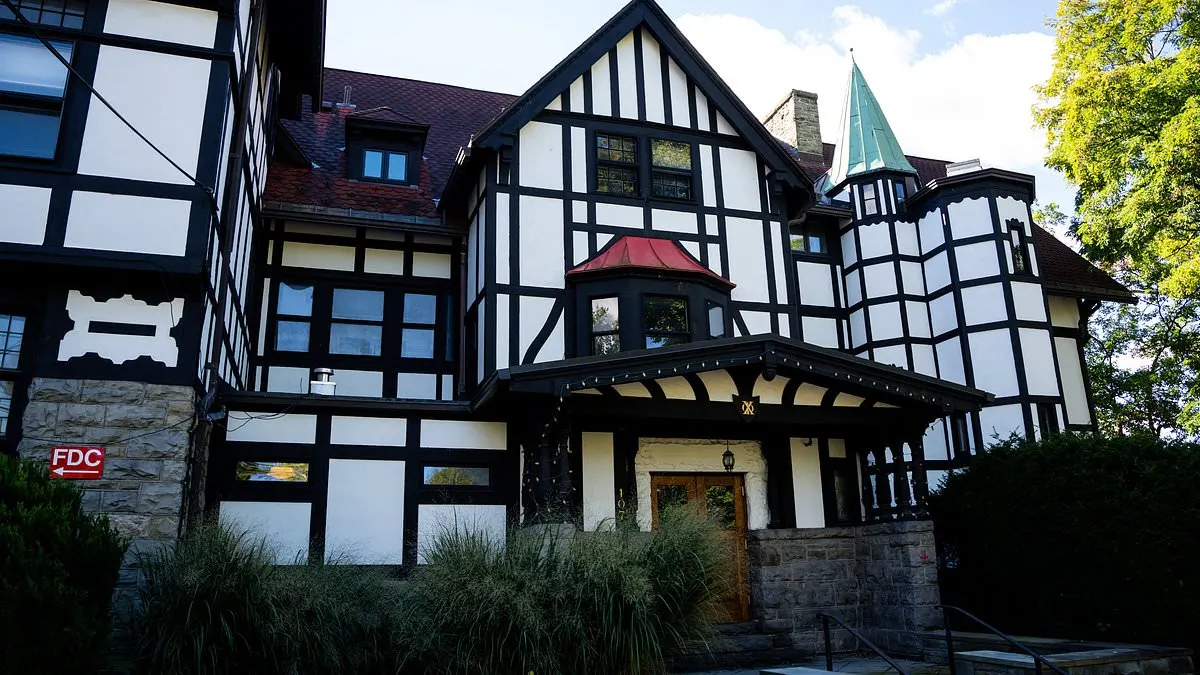
A woman who accused Cornell University fraternity members of gang raping her at a 2024 party was texting her roommate during the alleged assault, according to newly released messages. The defence is using this communication to argue she was more aware and less intoxicated than she claims, creating a significant point of contention in the ongoing civil case against seven Chi Phi fraternity members.
The accuser, identified in court documents only as Jane Doe, alleged the sexual assault lasted seven hours on 19 October 2024, from around 11pm until 5:45am. Text messages obtained by TMZ show she responded to her roommate at 3:05am, roughly half an hour to an hour after she said multiple men had used ketamine in connection with the alleged assault. In her written statement to police, Doe said she arrived at the fraternity house already intoxicated and described how the situation escalated when a fraternity member posted "free p***y" in a group chat, summoning other members to the room. She claimed she consented to taking more ketamine hoping to pass out, and described feeling coerced into sexual activity whilst severely intoxicated.
- Text messages show accuser messaging her roommate during the alleged seven-hour assault
- Defence argues the messages prove she was more alert than her claims of severe intoxication
- Woman states she was coerced whilst heavily impaired by drugs and alcohol
New here? Start with this
Cornell University is a prestigious Ivy League university in New York. A woman, identified in court documents as Jane Doe, has filed a civil lawsuit against seven members of the Chi Phi fraternity, alleging they gang raped her at a campus party in October 2024. Chi Phi is a social fraternity for male students that operates at universities across the United States.
Jane Doe claims the sexual assault occurred over seven hours whilst she was severely intoxicated and under the influence of ketamine, a controlled drug. She alleges a fraternity member summoned others to the room through a group chat, and that she felt coerced into sexual activity without meaningful consent. She has stated she agreed to take ketamine in the hope of losing consciousness to escape the situation.
The defence team for the accused members disputes her account of her level of incapacity at the time. They are pointing to text messages she sent to her roommate during the alleged assault as evidence that she was more aware than she claims. This disagreement about her state of consciousness during the night is now a central point of contention in the case.
Both sides, in good faith
The strongest fair case each way — we don't pick a winner.
The case for
The defence contends that a person genuinely incapacitated by severe intoxication and sedatives would be unlikely to compose and send coherent text messages, suggesting the accuser retained greater awareness and agency during the alleged assault than her account indicates. This capacity for communication at 3:05am, during the period she claims the assault was occurring, they argue, undermines the credibility of her claims about her level of incapacitation and ability to consent.
The case against
The accuser's position is that the ability to send text messages, particularly brief or mechanical ones, does not demonstrate consent or negate sexual assault. Intoxicated and traumatised individuals often retain fragmented motor functions whilst being unable to form sound judgement or resist coercion; the mere fact of texting says nothing about whether she was pressured into further drug use or sexual activity against her will during that same period.