An insurance policy with no guarantee – the complex issue of egg-freezing in sport
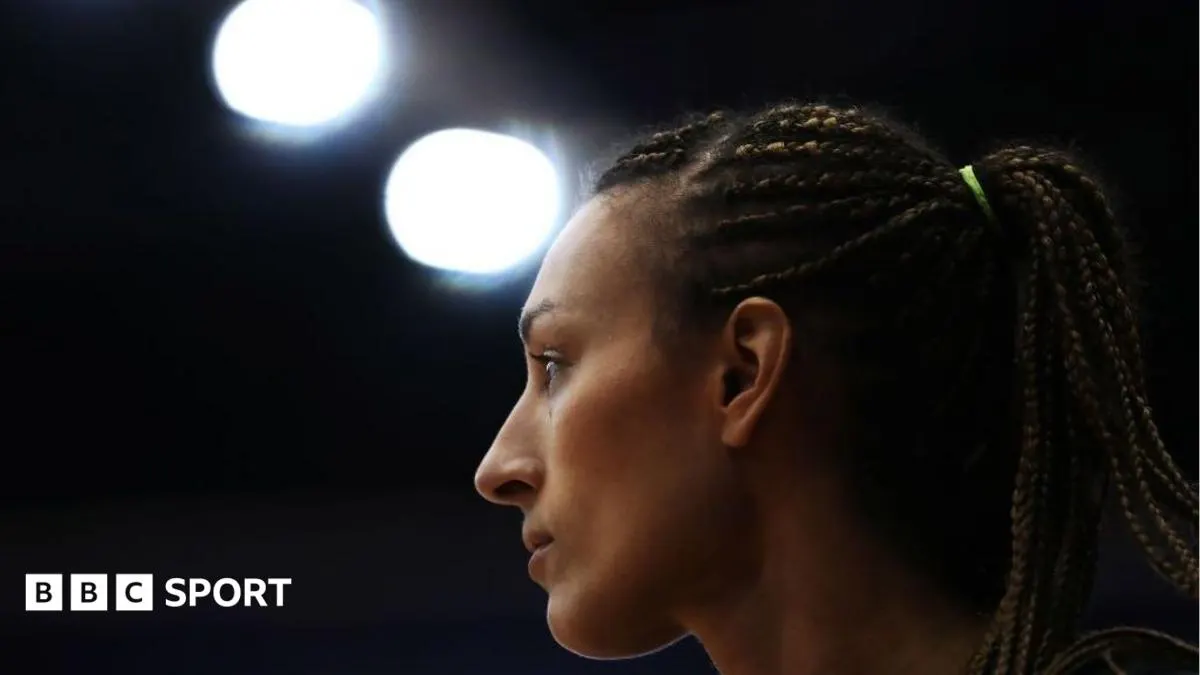
Geva Mentor, England netball's most decorated player with 175 international caps, froze her eggs at age 35 in 2019 as an insurance policy against declining fertility during her elite career. Her experience highlights a growing trend among female athletes seeking to preserve fertility, with organisations including Chelsea and the Spanish Football Federation now offering support for players considering the procedure. However, experts stress that egg freezing offers no guarantee of future pregnancy.
Mentor underwent hormone treatment to stimulate 43 eggs, which were retrieved through a procedure involving 43 vaginal wall punctures. She experienced severe bleeding and could not resume full training for two weeks. Despite the significant physical toll and emotional impact, Mentor has since conceived naturally and says she has no regrets about freezing her eggs, viewing them as an insurance policy.
- Geva Mentor froze 43 eggs at 35 to preserve fertility during her netball career.
- The procedure caused severe bleeding and left her unable to train for two weeks.
- Egg freezing offers no guarantee but major sports organisations now support the option.
New here? Start with this
Egg-freezing is a medical procedure where women preserve their eggs for potential use later in life. Female athletes increasingly pursue this as a way to manage the tension between the demands of elite sport and biological fertility, as the window for natural conception narrows with age whilst careers require intense focus during these critical years.
England netball player Geva Mentor froze her eggs at 35 in 2019 as insurance against declining fertility during her playing career. Her experience has become a focal point as elite sports organisations including Chelsea and football federations have begun offering support to players considering the procedure.
The procedure involves significant physical demands and carries considerable uncertainty. Experts stress that egg-freezing offers no guarantee of future pregnancy, and the process can have substantial side effects and emotional impacts for athletes pursuing demanding careers.
Both sides, in good faith
The strongest fair case each way — we don't pick a winner.
The case for
Egg-freezing provides female athletes genuine reproductive autonomy in a profession that uniquely pressures them to choose between career and family. By offering support, organisations acknowledge both the biological reality of declining fertility and athletes' right to preserve their options. This respects women's agency to make informed decisions about their bodies and futures, enabling them to pursue both elite careers and motherhood without forced sacrifice.
The case against
Promoting egg-freezing risks letting organisations avoid harder structural changes that would genuinely support female athletes. Rather than subsidising expensive, invasive procedures with no guarantee of success, resources should fund systemic solutions: flexible competition schedules, maternity support, workplace childcare, and policies allowing athletes to compete whilst pregnant. Without addressing these underlying incompatibilities, egg-freezing becomes a costly individual workaround available mainly to privileged athletes, whilst systemic barriers remain unaddressed.