Japan’s youth academies strengthen the women’s team with technical training
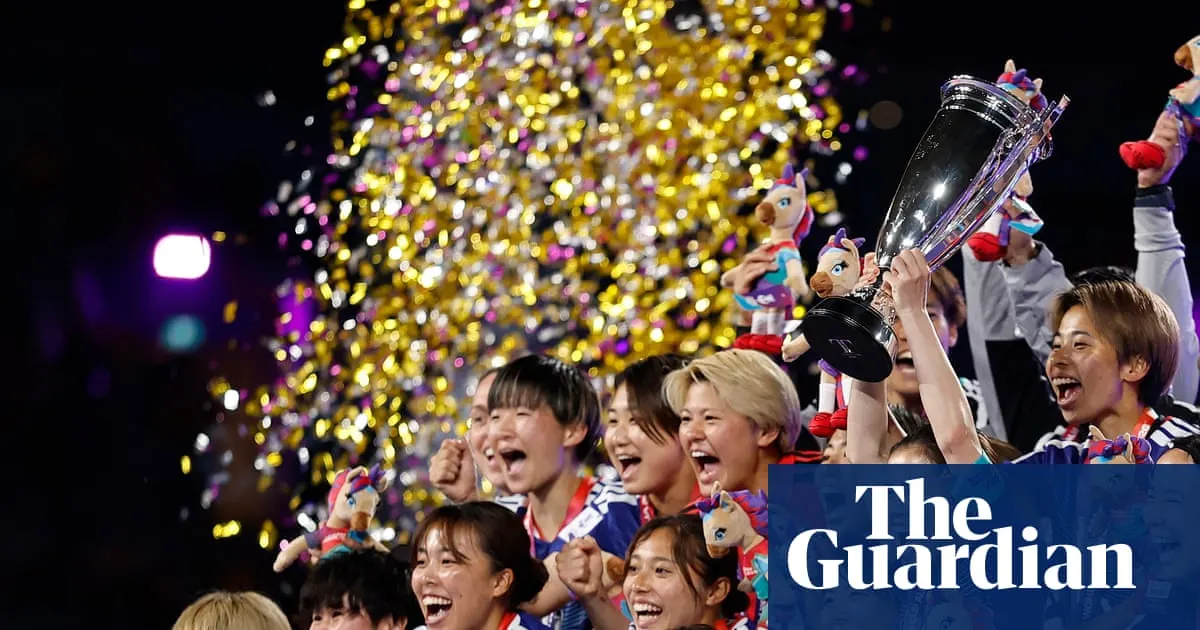
Japan’s women’s team has built on its international success through a youth development system run by the Japanese Football Association. Its academies aim to develop technically skilled players and help them learn to play as a cohesive team, supporting Japan’s recent Women’s Asian Cup win and a growing presence in top overseas leagues.
Three academies take girls from across Japan, with players typically entering at 13. At Fukushima, they can stay until 18; a quarter of its original cohort went on to represent the senior national team, and academy graduates made up five of Japan’s 23 players at the 2023 World Cup and seven at the 2024 Olympics. Alongside football training, the programme provides schooling and language lessons, while emphasising technique and endurance to help players compete with stronger and faster opponents.
- Japan’s JFA academies underpin the women’s team’s success.
- A quarter of Fukushima’s original players reached the senior national team.
- Training prioritises technique, endurance, education and teamwork.
New here? Start with this
Japan's women's football team has become a competitive international force, winning the Women's Asian Cup and placing players in top overseas leagues. This recent success is built on a youth development system run by the Japanese Football Association, which operates academies to identify and develop young talent from across the country.
The academies recruit girls typically at age 13 and retain them until 18, providing football training alongside schooling and language lessons. The programmes emphasise technical skill and physical endurance, designed to help players compete with stronger and faster opponents on the international stage.
Academy graduates have been prominent in Japan's recent squads, with approximately a quarter of one academy's original cohort reaching the senior national team. Five academy-developed players featured in the 2023 World Cup squad and seven at the 2024 Olympics.
Both sides, in good faith
The strongest fair case each way — we don't pick a winner.
The case for
Youth academies are essential for developing elite talent to compete internationally. These programmes offer talented girls structured pathways with professional coaching, education, and language training—opportunities many would not otherwise access. Japan's measurable success, including World Cup and Olympic representation and players in top leagues, demonstrates that the academy model effectively develops technical excellence and teamwork.
The case against
Selecting children at thirteen for intensive specialisation raises legitimate concerns about developmental appropriateness and wellbeing. Critics argue that such early, elite-focused training risks burnout, injury, and mental health challenges during formative years, whilst concentrating resources on elite academies may disadvantage talented players without access and raises questions about whether such intensity is necessary for healthy, sustainable athlete development.
Read the full article at the source →
Originally published by The Guardian as “‘It changed me a lot’: how Japan’s academy system supercharged women’s team”.