Sure you want to re-join the EU, Prime Minister? Germany, Italy & Belgium plead with Brussels to stop strangling economies with ‘red tape’, piling pressure on Andy Burnham to abandon ‘insane’ plans to unpick Brexit
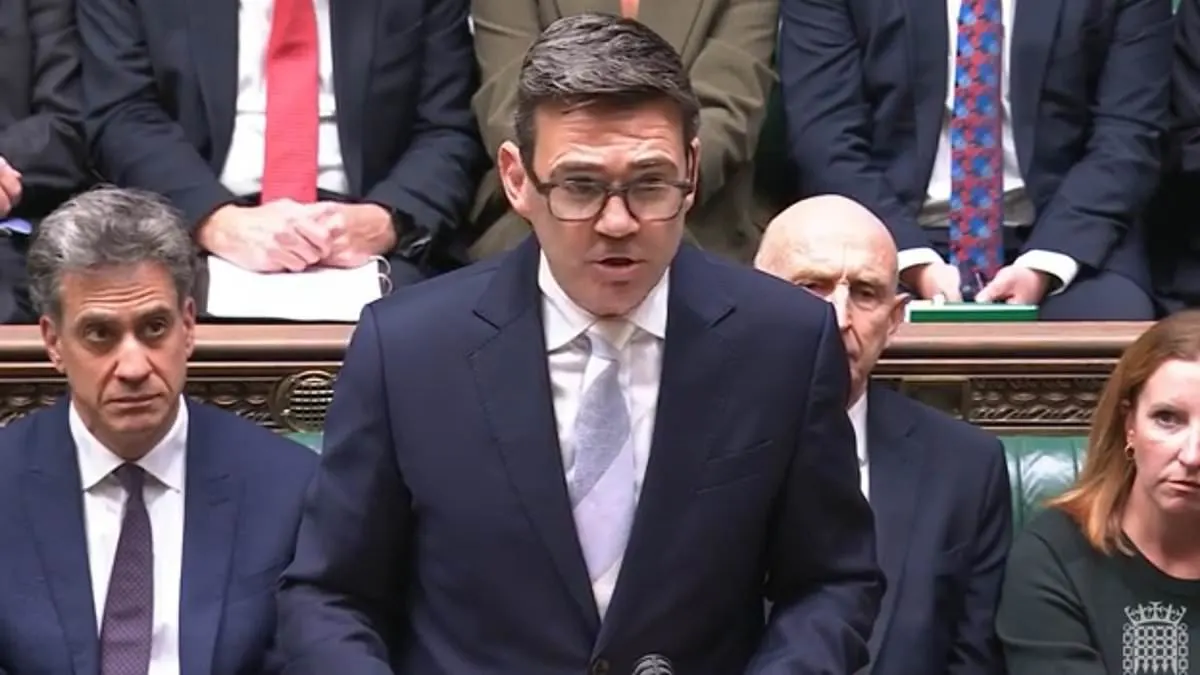
The leaders of Germany, Italy and Belgium have urged Brussels to curb EU regulations and give member states an “emergency brake” on new rules, arguing that red tape is holding back businesses and growth. Their intervention adds pressure to the debate over closer UK ties with the EU, after Prime Minister Andy Burnham said Britain should consider moving closer to the bloc or rejoining.
The article says Germany, Italy and Belgium grew by 0.2, 0.5 and 1.4 per cent respectively last year, while France grew by 0.8 per cent; it also reports France’s debt-to-GDP ratio is nearly 120 per cent. UK Conservatives and Reform UK figures cited oppose closer ties or rejoining, while Burnham argues it could benefit the economy. The article frames the EU leaders’ letter as evidence of concern about regulation, alongside wider worries about the bloc’s sluggish growth and rising euroscepticism.
- Germany, Italy and Belgium want an emergency brake on EU rules.
- Their appeal sharpens debate over Britain’s future relationship with the bloc.
- UK opponents of rejoining cite the burden of regulation on businesses.
New here? Start with this
The European Union is a political and economic partnership whose members share rules on trade and other areas. Those rules can make it easier for businesses to operate across borders, but critics say they can also add costs and paperwork.
Germany, Italy and Belgium are EU members, and their leaders have called for limits on new regulations and a way to pause them in an emergency. The UK left the EU in 2020, and debate continues over how closely it should work with the bloc. Andy Burnham has argued for considering closer ties or rejoining; UK Conservatives and Reform UK figures oppose that course.
The debate matters because it involves the UK’s trading relationship with its largest nearby market, as well as questions about economic growth and who sets the rules. EU countries also differ in their economic performance and in how they view regulation, so their leaders’ concerns form part of a wider discussion within the bloc.
Both sides, in good faith
The strongest fair case each way — we don't pick a winner.
The case for
Closer UK ties with the EU could reduce barriers to trade, improve access to a large nearby market and support investment, potentially benefiting businesses and growth. Supporters could argue that the leaders’ call to simplify EU rules shows the bloc can reform, and that Britain should weigh the economic gains of closer cooperation against the costs of regulatory complexity.
The case against
The leaders’ appeal for an emergency brake suggests that EU rules can impose real costs on businesses and constrain national choices; closer alignment could expose the UK to rules it has less influence over. Critics could argue that Britain should retain the flexibility to set its own regulations and trade policy, especially when the article reports weak growth in several major EU economies and significant French public debt.