MI5 chief says Brexit interference debate could deepen divisions
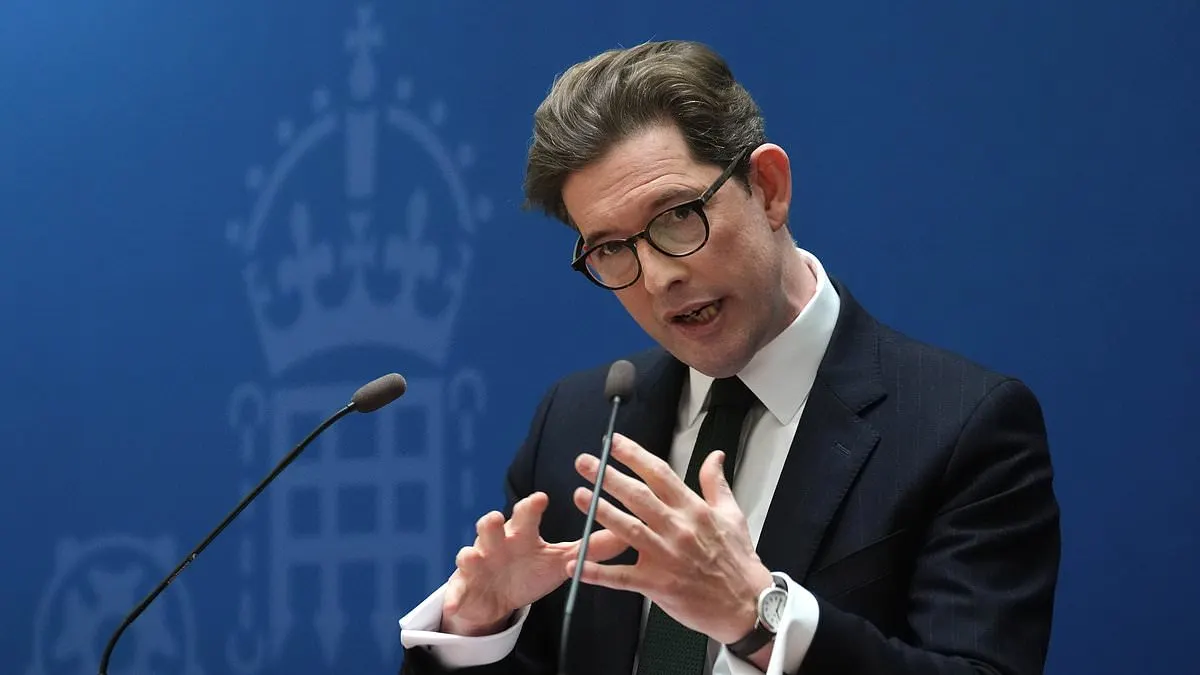
MI5 director general Sir Ken McCallum said Russian media and online trolls attempted to influence the 2016 Brexit referendum, but warned that prolonged debate over their impact could serve the Kremlin by making its efforts seem more powerful and deepening divisions. His comments followed Prime Minister Andy Burnham’s claim that he had been told Russia interfered, which prompted political criticism and questions about whether the referendum result was legitimate.
McCallum pointed to public records, including parliamentary committee reports from 2019, citing coverage by Russia Today and Sputnik and attempted activity by trolls. Burnham later acknowledged he had no evidence that Russia successfully changed the result, and Downing Street confirmed the government accepts the referendum outcome as legitimate. The dispute has also become part of a wider argument over Burnham’s plans for closer ties with the EU.
- MI5 confirms Russian media and trolls tried to influence the Brexit vote.
- Sir Ken McCallum warns extended debate could benefit the Kremlin.
- Burnham says he has no evidence Russia changed the result.
New here? Start with this
Britain held a referendum in 2016 in which voters chose to leave the European Union. Intelligence officials have confirmed that Russia attempted to influence the vote through media outlets and online activity, based on findings documented in parliamentary reports from 2019. The question of how much impact these efforts had, and what should be done about foreign interference, remains contested.
Prime Minister Andy Burnham and Sir Ken McCallum, the head of MI5, represent different perspectives on this issue. Burnham has sought to draw attention to the Russian interference attempts, whilst McCallum has expressed concern that excessive debate about them could strengthen their perceived impact and deepen public divisions. These different positions reflect a dilemma about responding to foreign interference without undermining confidence in democracy itself.
The question of Russian interference has also become entangled with Britain's current relationship with Europe. As the government pursues closer ties with the EU, debates about the 2016 referendum's legitimacy have become politically significant for contemporary policy. This helps explain why senior figures are currently discussing events from a decade ago.
Both sides, in good faith
The strongest fair case each way — we don't pick a winner.
The case for
Those advocating for thorough investigation argue that democratic integrity requires transparency about foreign interference attempts, regardless of whether they changed outcomes. Understanding how Russia sought to manipulate voters helps citizens recognise and resist similar tactics in future elections, and public awareness of these threats ultimately strengthens rather than weakens democracy. Accountability and investigation serve the public interest in maintaining confidence in democratic institutions.
The case against
Those cautious about prolonged debate contend that whilst Russian interference attempts occurred, evidence suggests they did not succeed in changing the result. Continuing to question whether the referendum outcome is legitimate plays precisely into Moscow's strategic aims of sowing doubt about British institutions and deepening societal divisions. Since the government accepts the result as valid, responsibility may lie in acknowledging the threat whilst moving forward rather than endlessly revisiting settled democratic decisions, thereby denying Russia the amplified influence that extended controversy would provide.
Elections Europe Government Politics World
Read the full article at the source →
Originally published by Daily Mail as “MI5 boss warns the debate on Russian interference in the Brexit vote risks empowering Kremlin trolls”.