San Franciscans divided over traffic and access to new coastal park
San Francisco’s decision to turn a two-mile stretch of the Upper Great Highway into Sunset Dunes Park has created a dispute between park users and nearby residents who say diverted traffic is disrupting their neighbourhoods. Voters will decide in November on Proposition G, which would reopen the road to cars on weekdays.
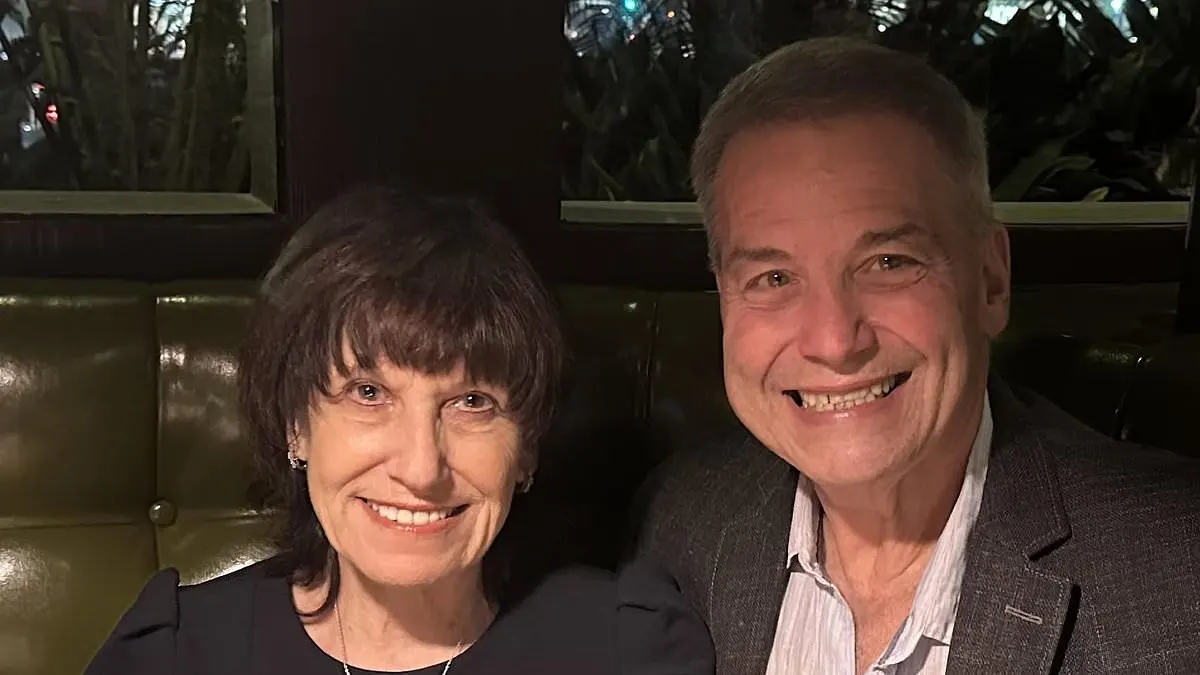
The road has been car-free since April 2025, after voters approved its conversion to recreation space. An estimated 20,000 vehicles now use nearby streets; resident Joanie Landon says a drive to arthritis therapy that once took eight minutes now takes at least 25, forcing her to reduce visits. The park recorded more than 1.7 million visits in its first year. Supporters of reopening raised about $130,000, while park advocates raised around $800,000, including about $400,000 from Yelp chief executive Jeremy Stoppelman; reopening could mean removing skate ramps and playgrounds.
- Voters will decide whether weekday traffic returns to the coastal road.
- Nearby residents say diverted cars have made local journeys much longer.
- The park welcomed over 1.7 million visits in its first year.
New here? Start with this
The Upper Great Highway runs along San Francisco’s western edge, beside the Pacific coast. In April 2025, the city closed a two-mile section to cars and turned it into Sunset Dunes Park, following a public vote; it is now used for walking, cycling and other recreation.
The change affects people who use the park and residents travelling through nearby neighbourhoods. Supporters point to the new recreation space, while some residents say traffic has shifted onto local streets. In November, voters will decide on Proposition G, which would allow cars back on the road on weekdays.
Read the full article at the source →
Originally published by Daily Mail as “Wealthy San Franciscans enraged after two-mile stretch of coastal road was turned into park, turning nearby streets into ‘major traffic arteries’”.