Non-EU workers filled most of 3.7 million new UK jobs since 2014
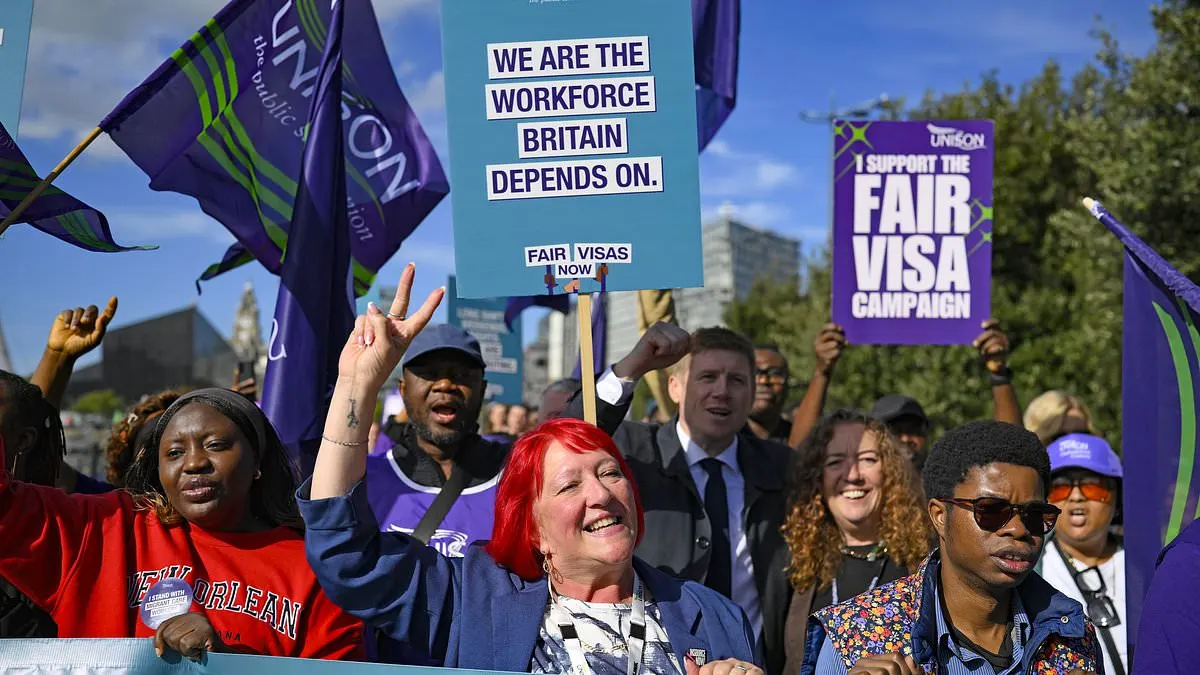
A Centre for Social Justice report says UK nationals took about one in five of the 3.7 million additional payrolled jobs created since 2014, while most went to workers from outside the EU. The findings have renewed debate over immigration, employment and welfare, with the think-tank arguing these issues should be addressed together.
The report’s analysis of HMRC figures attributes 734,000 new roles to UK nationals, 408,000 to EU citizens and 2.5 million to non-EU migrants. It says 2.1 million of the non-EU increase occurred after 2020; London recorded 465,200 additional non-EU workers, and health and social work made up 29 per cent of their overall rise. The figures cover July 2014 to December 2025, and the article also describes political disagreement over proposed changes to settlement rules.
- UK nationals took 734,000 of 3.7 million additional payrolled jobs.
- Non-EU workers accounted for 2.5 million of the increase.
- The report links employment, immigration and welfare debates.
New here? Start with this
Payrolled jobs are posts recorded through the tax system, and the figures compare the number of such jobs in July 2014 and December 2025. The Centre for Social Justice is a think-tank that has examined how the increase breaks down by workers’ nationality and immigration status.
UK nationals, EU citizens and people from outside the EU are the three groups in the report’s analysis. Immigration rules, employment and welfare policy are linked areas of debate because they affect who can work in the UK and how people are supported.
Both sides, in good faith
The strongest fair case each way — we don't pick a winner.
The case for
Supporters of tighter links between immigration, employment and welfare argue that the figures raise legitimate questions about whether more UK residents could be helped into available work and whether public services can keep pace with rapid workforce growth. They may see reform of settlement rules and stronger domestic skills and employment support as ways to sustain public confidence while meeting labour needs.
The case against
Others would caution that these figures describe changes in job numbers, not why particular people took those jobs or whether UK workers were available and suitably skilled for them. Migrant workers have helped fill labour needs, including in health and social care, and restricting their routes to settlement could make recruitment harder and reduce security for people already contributing to the UK.
Business Economy Europe UK World
Read the full article at the source →
Originally published by Daily Mail as “Just one in five new jobs created over the past decade went to Britons, new report reveals, with the vast majority taken by migrant workers from outside the EU”.