BBC plans two-part documentary on Rowling’s rise to public prominence
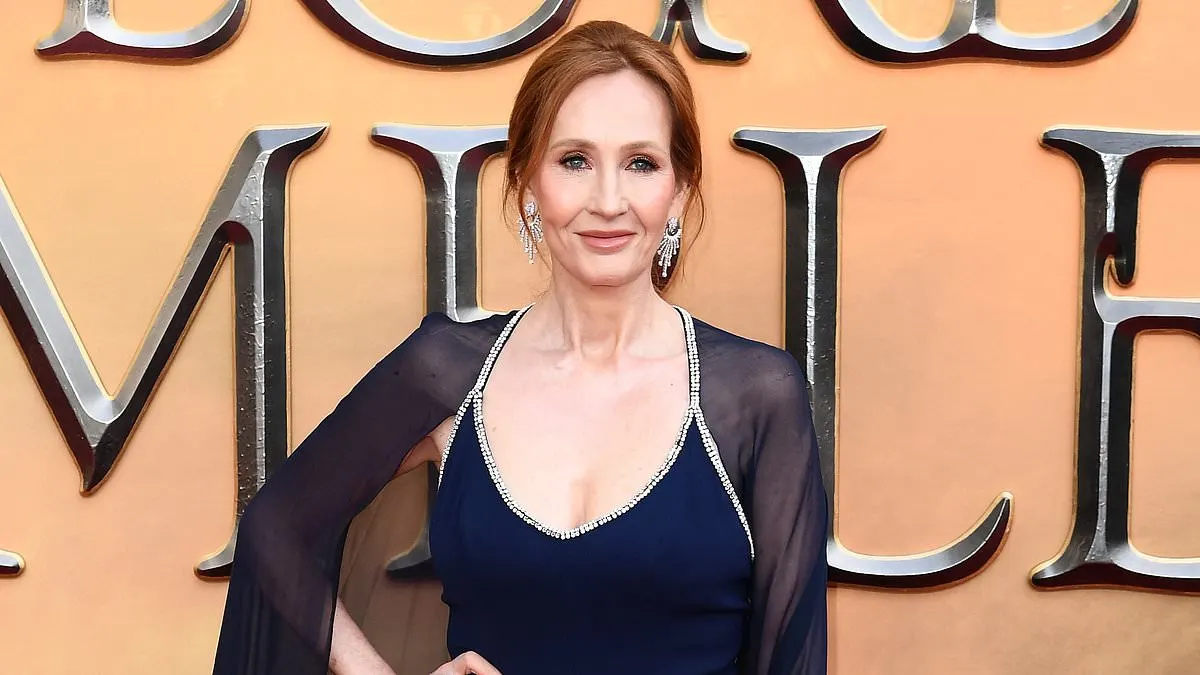
The BBC is reportedly making a two-part documentary about J.K. Rowling’s rise from novelist to a polarising public figure, without her contribution. The series will use her life to examine changes in British society, politics and technology over three decades, including the debates her views have prompted.
The two hour-long episodes will draw on archive material, Rowling’s words and interviews with people she has worked with. The first will cover her childhood, time writing in Edinburgh and literary success; the second will focus on her political interventions and online exchanges about feminism, free speech and gender identity. Her seven Harry Potter books have sold more than 600 million copies.
- BBC plans a two-part documentary about J.K. Rowling.
- Rowling is aware of the project but has not contributed.
- The series will explore her literary success and public controversies.
New here? Start with this
J.K. Rowling is a British writer best known for the seven Harry Potter novels, which became an international publishing success and were adapted for film. Her rise to fame began in the late 1990s, after years of writing while living in Edinburgh.
In later years, Rowling became a prominent participant in public debates, particularly about feminism, free speech and gender identity. Her comments have drawn both support and criticism, making her a contested figure in British public life.
The story sits within wider changes in how public figures communicate and are discussed, especially through social media. It also raises questions about how a documentary can use archive material and other people’s accounts to examine someone who is not taking part.
Both sides, in good faith
The strongest fair case each way — we don't pick a winner.
The case for
A documentary about Rowling’s public life can help viewers understand how a celebrated author became a prominent participant in debates over feminism, free speech and gender identity. Using archive material and interviews with people who worked with her could place those disputes in the context of changes in British society and technology, even without her participation.
The case against
A programme examining a living person’s views and public exchanges without her contribution risks presenting a partial account, particularly on subjects where wording and context matter. Critics may argue that the BBC should secure her perspective or make especially clear how it has selected and verified material, so the documentary does not turn a complex record into a one-sided portrait.
Art Culture Entertainment TV World
Read the full article at the source →
Originally published by Daily Mail as “BBC ‘is making a JK Rowling documentary on how she became a polarising public figure’… ‘without her input’”.