Duane ‘Keffe D’ Davis Sentenced to 40 Years to Life for Role in Tupac Shakur’s Murder
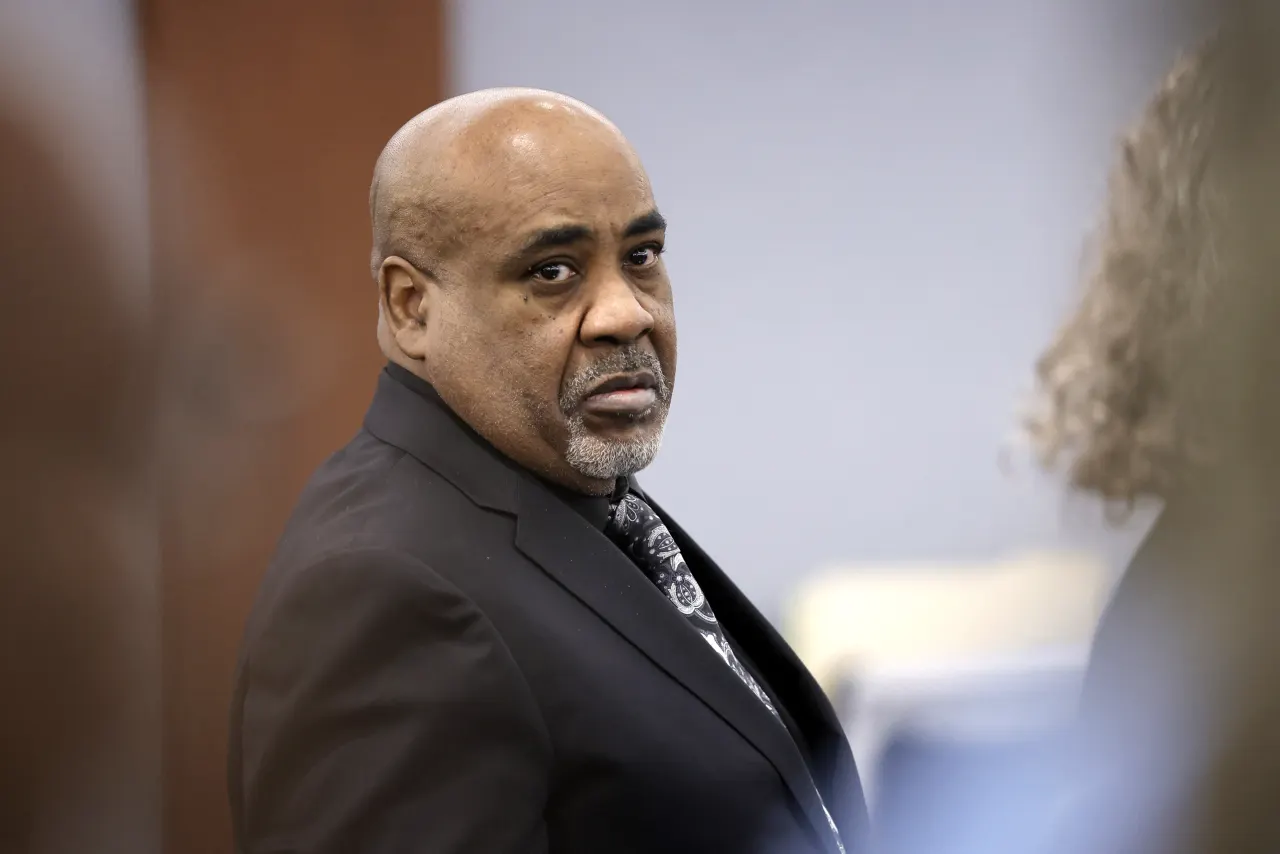
Duane “Keffe D” Davis has been sentenced to 40 years to life in prison for his role in Tupac Shakur’s murder. The sentence follows Davis’s conviction for first-degree murder, ending a trial nearly 30 years after the rapper was shot.
The judge imposed 20 years to life for murder and a further 20 years to life for a deadly weapon enhancement; Davis, 63, had faced life without parole. Prosecutors said he orchestrated the 1996 drive-by shooting and handed the weapon to the gunman, citing his statements to media and in a memoir. His defence said those statements were not proof and plans to appeal. Shakur was shot four times in Paradise, Nevada, and died six days later.
- Davis received 40 years to life for his role in Shakur’s murder.
- The sentence includes separate terms for murder and a weapon enhancement.
- His defence says it will appeal.
New here? Start with this
Tupac Shakur was one of the best-known American rappers of the 1990s. He was shot in a car in Paradise, Nevada, in September 1996 and died six days later; the killing remained unsolved for decades.
Duane Davis, known as Keffe D, was part of a group in a car near Shakur when the shooting happened. Prosecutors said Davis arranged the attack and passed a gun to the person who fired it, while his defence disputed that his public statements proved his role. The case has drawn attention because it took nearly 30 years to reach trial and concerns one of rap music’s most prominent deaths.
Both sides, in good faith
The strongest fair case each way — we don't pick a winner.
The case for
The prosecution’s case, as described, is that Davis helped organise the shooting and supplied the weapon, and that his own statements to the media and in a memoir support that account. A first-degree murder conviction and the deadly-weapon enhancement reflect the seriousness of his role in a killing that took a life and left a long unresolved case for Shakur’s family and supporters.
The case against
Davis’s defence argues that statements made to the media or in a memoir do not by themselves prove he committed or orchestrated murder, and says it will appeal the conviction. Given the decades between the shooting and trial, careful scrutiny of the evidence and whether it meets the criminal standard of proof is a defensible concern, even in a grave case.