Man Who Orchestrated Tupac Shakur Murder Sentenced to 40 Years to Life in Prison
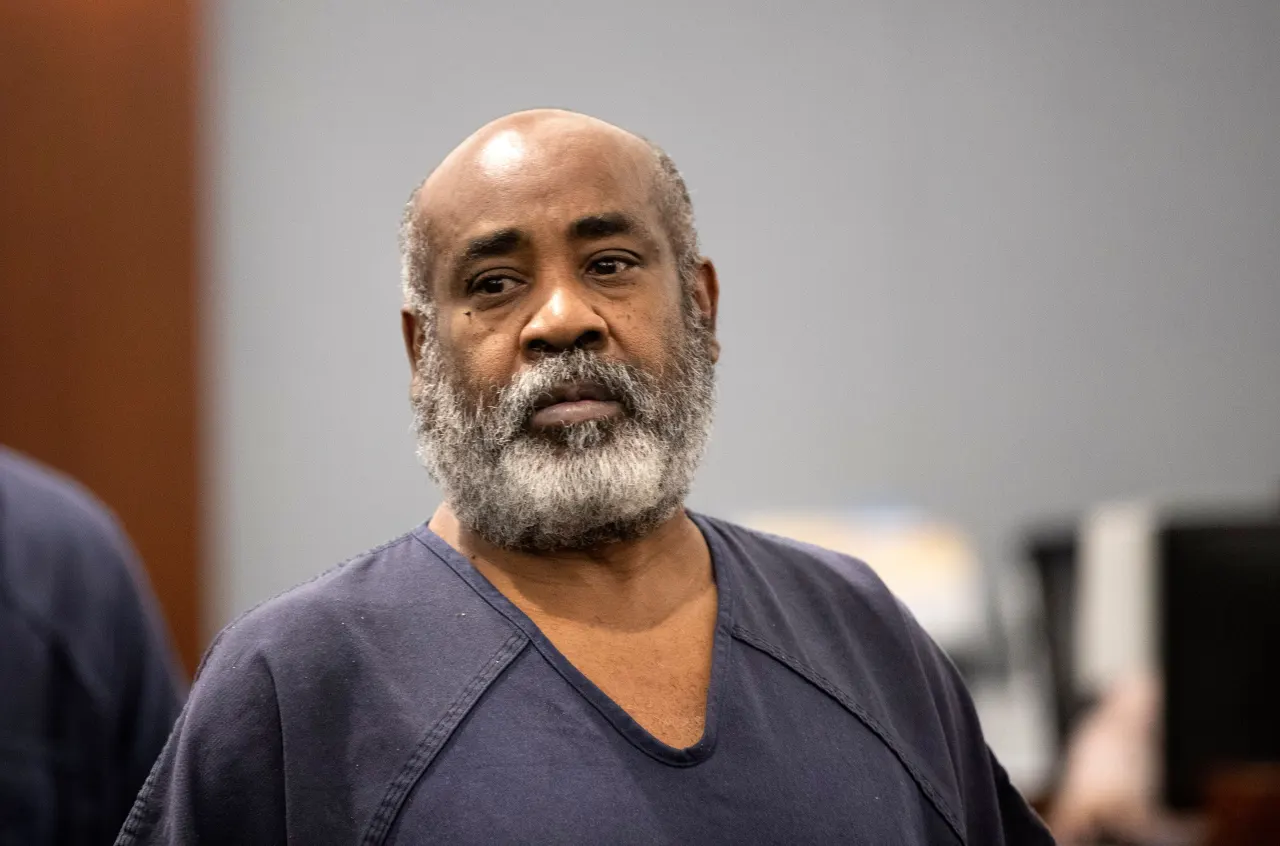
Duane “Keffe D” Davis has been sentenced to 40 years to life in prison for orchestrating the 1996 killing of rapper Tupac Shakur. The sentence closes a major chapter in a case that remained unresolved for decades and followed Davis’s public admissions about his role.
Before sentencing, Shakur’s sister Sekyiwa and brother Mopreme described the lasting loss to their family and the life he was denied. Prosecutors said Davis sought revenge after his nephew was attacked in Las Vegas; Shakur and Suge Knight were later shot at a red light, and Shakur died six days later, aged 25. Davis said he was in the car but did not fire the gun, and told investigators in 2008 that his nephew had fired the shots.
- Duane Davis received 40 years to life for orchestrating Tupac Shakur’s killing.
- Shakur died aged 25, six days after being shot in Las Vegas.
- Davis told investigators his nephew fired the fatal shots.
New here? Start with this
Tupac Shakur was a hugely influential American rapper whose career also included acting and activism. He was shot in Las Vegas in September 1996 while travelling with music executive Suge Knight, and died six days later, aged 25. The killing became one of the most closely followed unsolved cases in US music history.
Duane Davis, known as Keffe D, was linked to the killing through his own accounts of events. Prosecutors said the shooting was revenge after Davis’s nephew was attacked; Davis has said he was in the car but did not fire the gun. Shakur’s sister Sekyiwa and brother Mopreme have spoken about the loss to their family, while the case has drawn attention to the long process of investigating a high-profile killing.