I was on the Qantas bed bug flight from hell – they crawled over our clothes, blankets and up our legs and the airline ignored our warnings
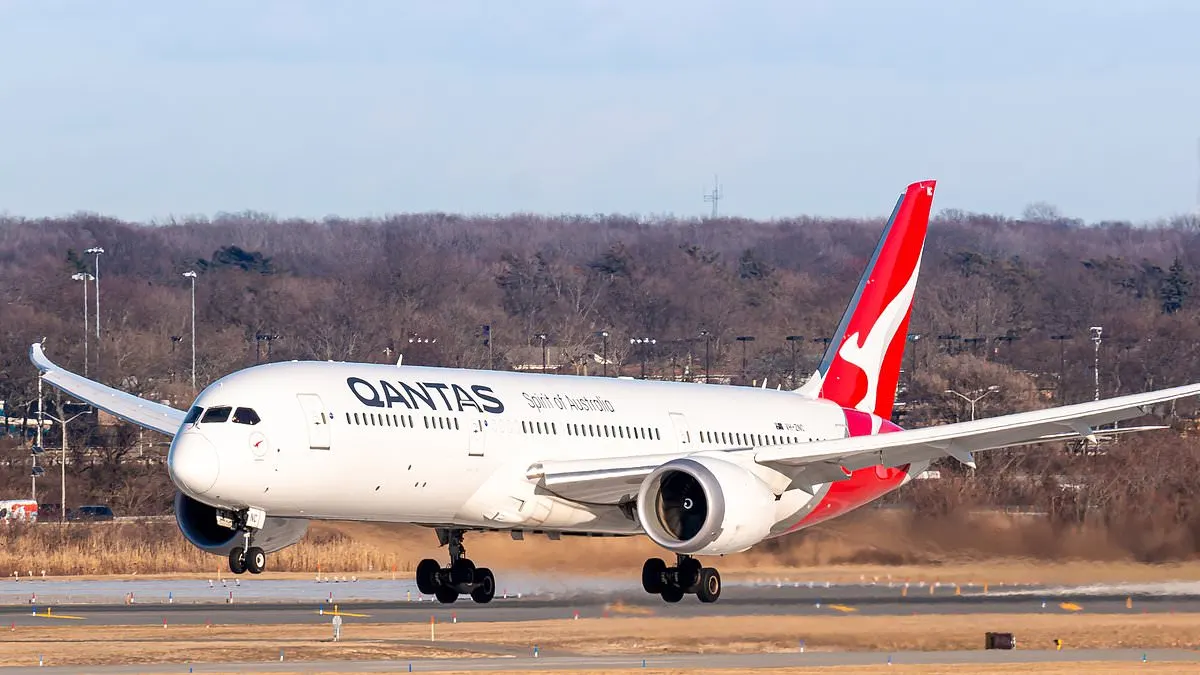
Passengers on Qantas flight QF5 from Perth to Rome reported bed bugs crawling over their clothes, blankets, belongings and legs, and said they had warned staff during an earlier leg from Sydney to Perth. The incident matters because the aircraft continued to Rome despite those reports, and the return service was later cancelled so the plane could be treated.
Qantas grounded the Boeing 787 for a deep clean and fumigation after complaints of bites on the 17-hour flight on 9 October. Passengers were offered accommodation and alternative flights within 48 hours; the airline said the cancellation allowed crews to clean affected economy seats and noted that aircraft are disinfected every 50 days. Bed bugs can cause itchy, swollen bites but are not known to transmit disease.
- Passengers reported bed bugs on Qantas flight QF5 to Rome.
- They said they alerted staff before the aircraft continued its journey.
- The return flight was cancelled for deep cleaning and fumigation.
New here? Start with this
Bed bugs are small insects that hide in places such as seams in seats and bedding, and can be carried between locations on luggage or clothing. Their bites can cause itchy, swollen marks, but they are not known to spread disease.
Qantas is Australia’s largest airline, and QF5 is a long-haul service from Perth to Rome operated by a Boeing 787. Reports of insects on board raise questions about how airlines respond to possible pests during a journey and how they clean aircraft between flights.
Treating a plane can take it out of service and disrupt passengers’ plans. Qantas has said its aircraft are disinfected every 50 days; that routine is separate from the deeper cleaning and fumigation needed after a reported infestation.
Both sides, in good faith
The strongest fair case each way — we don't pick a winner.
The case for
Passengers can reasonably argue that reports of bed bugs on an earlier leg warranted prompt investigation before the aircraft carried on to Rome. Continuing the flight exposed more people to distress and bites, while cancelling the return service only after complaints suggests the response came too late; passengers also deserve clear communication when raising a possible infestation.
The case against
Qantas can reasonably argue that reports of insects are difficult to verify in flight and that disrupting an international service requires balancing passenger welfare, safety and operational constraints. Once complaints were made, it grounded the aircraft for deep cleaning and fumigation, arranged accommodation and alternative flights, and said the cancellation enabled treatment of affected seats; routine disinfection is also part of its stated practice.