Brian Flores’ lawyer says memo to Raiders before team’s coaching search portrayed client as ‘angry Black man’
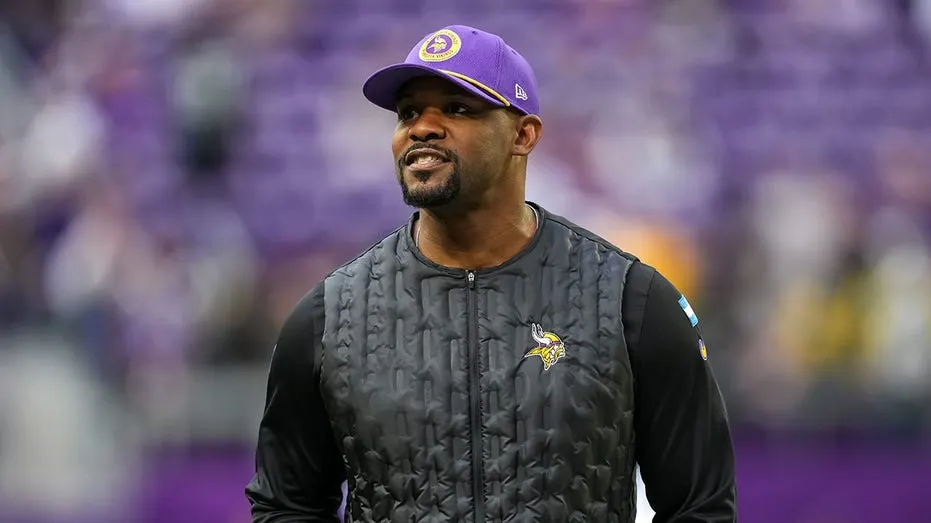
Lawyers for Brian Flores say a newly unsealed recruiting memo prepared for the Las Vegas Raiders supports his claims that the NFL’s coaching hiring process is discriminatory and that teams retaliated against him for suing. The memo described Flores in terms his lawyers say draw on racial stereotypes, including the image of an “angry Black man”; Flores was not interviewed for the Raiders’ head-coaching job.
Korn Ferry prepared the document before the Raiders hired Klint Kubiak. Flores, a Black coach who led the Miami Dolphins from 2019 to 2022, sued the NFL and 32 teams in 2022, alleging racial discrimination, and was later joined by Steve Wilks and Ray Horton. His lawsuit also includes a defamation claim against the Dolphins; the article notes that some descriptions of Flores’s conduct at the club could be relevant to that claim.
- Flores’s lawyers say an unsealed Raiders memo reflects racial stereotyping.
- Flores was not interviewed before the Raiders hired Klint Kubiak.
- His 2022 lawsuit alleges discrimination and retaliation in NFL coaching hires.
New here? Start with this
Brian Flores is an American football coach who led the Miami Dolphins from 2019 to 2022. The NFL is made up of 32 teams, each of which hires its own coaches, including a head coach to lead the team.
In 2022, Flores sued the NFL and its teams, alleging racial discrimination in coaching hires and retaliation. Coaches Steve Wilks and Ray Horton later joined the case. Flores also has a separate defamation claim against the Dolphins, concerning statements about his conduct there.
The Raiders are the NFL team based in Las Vegas. Korn Ferry, a recruitment and consulting firm, prepared the memo while the team was considering candidates for its head-coach job.
Both sides, in good faith
The strongest fair case each way — we don't pick a winner.
The case for
Flores’s lawyers can argue that the memo’s characterisation of him, alongside his exclusion from the Raiders’ interview process, is evidence consistent with racial stereotyping in coaching decisions. In the context of his broader lawsuit, they may say it strengthens the case that hiring practices disadvantage Black coaches and that scrutiny of Flores was shaped by stereotypes rather than job-related assessment.
The case against
The Raiders or NFL can argue that a recruiting memo is not, by itself, proof that race determined hiring decisions or that Flores faced retaliation; its wording and context need to be examined alongside the full record. They may also contend that assessments of a coach’s temperament can be legitimate if applied consistently and tied to the role, while noting that the article reports allegations rather than a legal finding.