Tim Walz warns Democrats will face reckoning if they win power and fail to deliver change
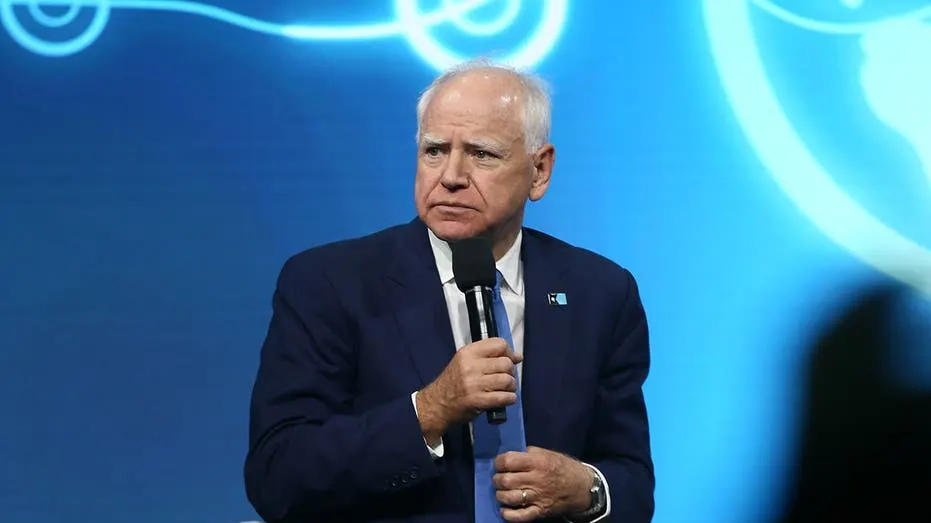
Minnesota Governor Tim Walz warned that Democrats could face a public backlash if they regain power but fail to deliver meaningful changes that improve people’s lives. He said structural barriers make the party too slow to act, and argued that voters who backed Democrats could become disillusioned if problems such as housing costs and access to higher education remain unresolved.
Walz criticised efforts to preserve the Senate filibuster, citing former Senator Joe Manchin’s opposition to changing the 60-vote threshold for most legislation in 2022. He predicted Democrats would win back the House and Senate and the presidency in 2028. Forward Party chief executive Lindsey Drath offered a different view, arguing that a two-party system discourages cross-party compromise and that a small bloc of independents could help break the deadlock.
- Walz says Democrats risk backlash if they fail to deliver change.
- He points to housing, college costs and Senate rules as concerns.
- A Forward Party leader argues independents could encourage compromise.
New here? Start with this
The US Democratic Party is one of the country’s two main political parties; the other is the Republican Party. Tim Walz is Minnesota’s governor and a Democrat, while Joe Manchin is a former Democratic senator who opposed changing Senate rules in 2022.
In the Senate, most bills need 60 votes to overcome a filibuster, a procedure that can delay or block a vote. This can make it harder for a party with a narrow majority to pass laws, including measures on issues such as housing and higher education.
The Forward Party is a smaller US political party, led by chief executive Lindsey Drath. Its proposal to give independents more influence reflects a wider debate about how the two-party system affects compromise and the ability of elected officials to act.
Both sides, in good faith
The strongest fair case each way — we don't pick a winner.
The case for
Walz’s warning reflects the risk that winning office without improving daily life will deepen voters’ distrust and leave urgent problems such as housing costs and access to higher education untouched. Supporters of changing the filibuster argue that a party elected to govern should be able to pass its programme, and that rules allowing a minority to block most legislation can make meaningful action impossible.
The case against
Keeping the filibuster can protect minority viewpoints and encourage legislation with broader support, reducing the chance that major policies swing sharply whenever control changes. Drath’s argument also suggests that the deeper problem is a two-party system that rewards confrontation; independents and cross-party compromise may offer a more durable route to addressing voters’ concerns than weakening Senate safeguards.