Greta Thunberg joins massive French student protests as cars burn, police fire tear gas
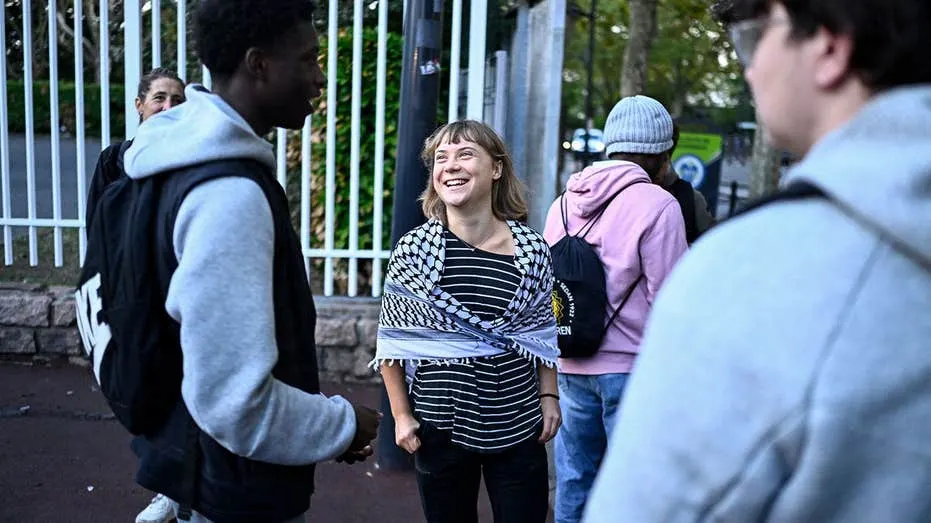
Greta Thunberg joined French students protesting for education reforms, as demonstrations over staff shortages, school conditions and long days continued across the country. The protests have become a political flashpoint ahead of France’s presidential election next May, with criticism directed both at the government’s handling of the unrest and at violence by some demonstrators.
Interior Ministry figures put Tuesday’s marches at about 161,500 people nationwide, including 41,500 in Paris; the Education Ministry said 214 schools were closed. French authorities report more than 6,800 people detained since protests began in September. After a 15-year-old was seriously injured when a police dispersal grenade detonated in Lens, authorities suspended use of that type of grenade; President Emmanuel Macron has called for restraint and dialogue.
- Thunberg joined students demanding education reforms.
- About 161,500 people marched on Tuesday.
- More than 6,800 have been detained since September.
New here? Start with this
France’s education system is run by the national government, which sets policy and employs most teachers in state schools. Staff shortages, school conditions and long working days have become central concerns for students and school staff, who have taken part in demonstrations across the country.
President Emmanuel Macron’s government is responsible for education policy, while police manage public demonstrations and their aftermath. Greta Thunberg is a Swedish climate campaigner whose presence has drawn attention to the protests; the disputes matter because they concern students’ education and have become part of debate about the government ahead of France’s next presidential election.
Both sides, in good faith
The strongest fair case each way — we don't pick a winner.
The case for
Supporters argue that students have legitimate reasons to protest over staff shortages, poor school conditions and long days, and that large demonstrations can press politicians to address problems that schools have struggled with for years. They may also contend that suspending the grenade used in Lens and pursuing dialogue are necessary to protect young people’s right to protest and prevent further injuries.
The case against
Critics argue that arson and other violence put demonstrators, residents and police at risk, disrupt classes and weaken the case for educational reform. They may say the state has a duty to maintain public order and that protest leaders should clearly reject violence, while authorities investigate alleged excessive force and use restraint.