NFL rescinds Jameson Williams’ smoking celebration fine after he argues ‘marijuana is legal’
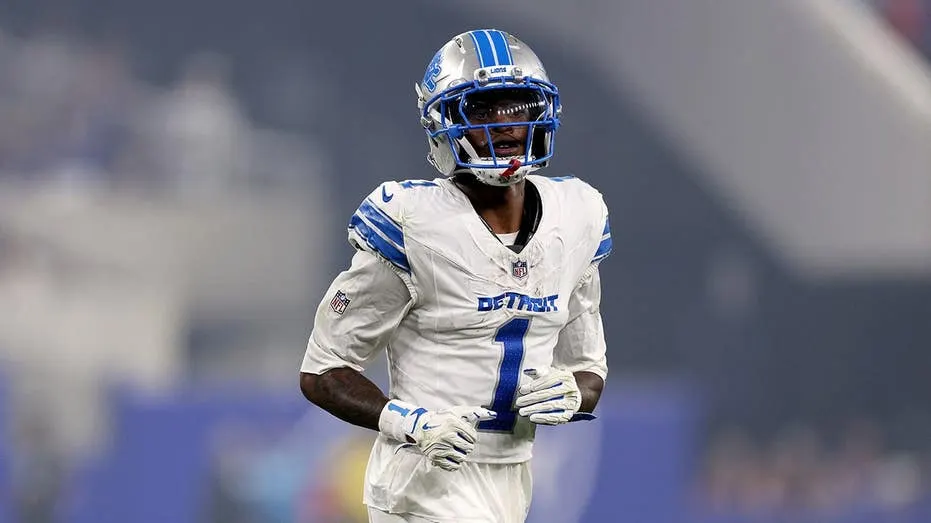
The NFL has withdrawn its fine against Detroit Lions receiver Jameson Williams for a celebration that appeared to mimic smoking, after he argued that marijuana is legal where the game was played and where he plays at home. The decision highlights the league’s changing approach to marijuana and celebration penalties.
Williams, Amon-Ra St. Brown and Jahmyr Gibbs were each fined after the Lions played the Bills in Buffalo, where recreational marijuana is legal; the reported fines were $14,926 for Williams and St. Brown and $11,941 for Gibbs. Appeals officer Derrick Brooks rescinded Williams’s fine but urged him to celebrate professionally, while his teammates’ appeals remain unresolved. The NFL ended suspensions for repeat positive marijuana tests in 2020; Williams has separately been fined nine times for gestures and taunts, totalling $140,686.
- The NFL rescinded Jameson Williams’s celebration fine.
- Williams argued recreational marijuana is legal in Michigan and New York.
- His teammates’ appeals are still pending.
New here? Start with this
The NFL is the top professional American football league in the United States. Its rules cover players’ conduct during games, including celebrations, and the league can fine players for gestures it considers inappropriate.
Jameson Williams plays for the Detroit Lions, alongside Amon-Ra St. Brown and Jahmyr Gibbs. Their celebration after a game in Buffalo appeared to imitate smoking; recreational marijuana is legal in New York, where Buffalo is, and in Michigan, where the Lions are based.
The league stopped suspending players for repeat positive marijuana tests in 2020, but that change did not remove penalties for on-field conduct. The case sits at the intersection of those policies, and the other players’ appeals are still pending.
Both sides, in good faith
The strongest fair case each way — we don't pick a winner.
The case for
Rescinding the fine recognises that a gesture resembling smoking is not necessarily a clear reference to illegal drug use, especially where recreational marijuana is legal. It may also reflect the league’s move away from punishing marijuana use and avoid imposing a penalty without a sufficiently clear rule basis.
The case against
The NFL can reasonably argue that players’ public celebrations represent the league and should meet professional standards, regardless of local marijuana laws. A consistent restriction on gestures that appear to promote drug use could help the league maintain that standard and avoid confusion about what celebrations are acceptable.