Pentagon pushes hypersonic weapons production as startups slash costs
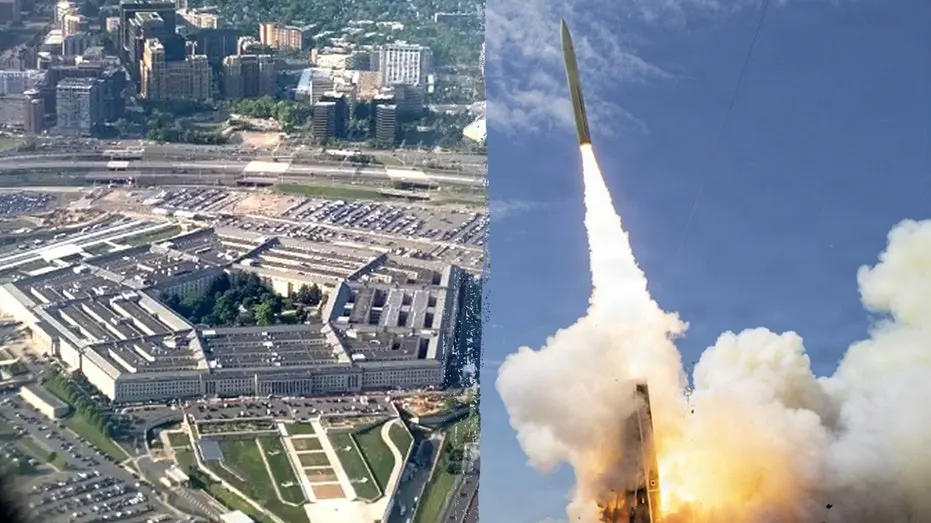
The US military is increasing investment in hypersonic weapons as it replenishes its missile stockpile and seeks weapons that can travel at least five times the speed of sound while manoeuvring to evade defences. Their speed and manoeuvrability could shorten an adversary’s reaction time and strengthen deterrence, but established programmes face very high costs and delays.
Government Accountability Office estimates put Army Dark Eagle missiles at more than $40 million each and Navy missiles for Zumwalt destroyers at about $70 million, with the latter modernisation programme two years behind schedule. By comparison, Tomahawks cost around $2.6 million, Patriot missiles nearly $4 million and Precision Strike Missiles $1.6 million. Startup Castelion says its Blackbeard weapon costs under $500,000; the company has begun building a factory intended to produce thousands a year for potential use with aircraft, HIMARS and unmanned vessels.
- The US is pursuing hypersonic weapons despite high costs and delays.
- Zumwalt hypersonic missiles are estimated at $70 million each.
- Startup Castelion says its Blackbeard weapon costs under $500,000.
New here? Start with this
Hypersonic weapons are missiles designed to travel at least five times the speed of sound while changing course in flight. That combination could make them harder to track and intercept, leaving an opponent less time to respond.
The US Army and Navy have programmes to develop these weapons, including the Army’s Dark Eagle and a missile planned for Zumwalt destroyers. Their high costs and delays are prompting interest in cheaper designs from newer defence companies such as Castelion.
The issue matters as the US military replenishes its missile stocks and considers how to deter potential adversaries. Lower-cost weapons could make it possible to build and deploy more of them, though their practical performance and role would depend on testing and military decisions.
Both sides, in good faith
The strongest fair case each way — we don't pick a winner.
The case for
Expanding hypersonic production could give the US military faster, more manoeuvrable weapons that are harder to intercept, strengthening deterrence and reducing adversaries’ confidence in their defences. If startups can deliver weapons at far lower cost and in larger numbers, they may help replenish stocks and make the capability more practical to field.
The case against
The high costs and delays already affecting established programmes raise doubts about whether hypersonic weapons offer enough value over far cheaper missiles to justify major investment. Rushing production of a newer system could divert money from proven capabilities, while claims of low startup costs and large-scale output remain to be demonstrated.
Art Business Celebrity Companies Culture Entertainment World