Tyreek Hill found liable on two battery counts in divorce battery case, must pay Lakeeta Vaccaro $500,000
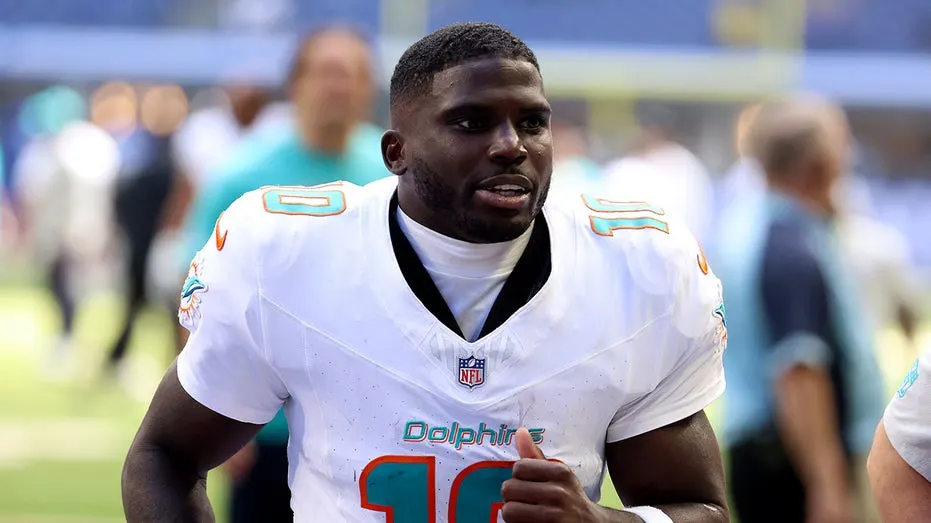
A Miami-Dade County jury found former NFL player Tyreek Hill liable for two incidents of battery against his wife, Lakeeta Vaccaro, and awarded her $500,000 in compensatory damages. The civil verdict matters to Hill’s potential return to football because the NFL is conducting a separate review under its Personal Conduct Policy.
The jury found Hill not liable on five other battery counts, one assault count, one claim of intentional emotional distress and one claim of continuing domestic violence; Vaccaro’s lawyers agreed to dismiss another battery count. The incidents for which Hill was found liable were alleged to have occurred on 11 January 2024 and 7 April 2025, involving claims of pushing and shoving, and of forcibly restraining Vaccaro and throwing her computer.
- A jury found Hill liable for two battery incidents.
- Vaccaro was awarded $500,000 in compensatory damages.
- The NFL is separately reviewing Hill under its conduct policy.
New here? Start with this
Tyreek Hill is an American football player who has played in the NFL, the US professional league. Lakeeta Vaccaro is his wife, and the case arose from allegations of violence during their marriage.
Vaccaro brought a civil case seeking damages over several alleged incidents. In a civil case, a jury decides whether a person is legally responsible and may award money; this is separate from any criminal case.
The NFL has its own process for reviewing players’ conduct under its Personal Conduct Policy. That review is separate from the court case and may affect Hill’s prospects of returning to football.
Both sides, in good faith
The strongest fair case each way — we don't pick a winner.
The case for
Vaccaro’s case is supported by the jury’s finding that Hill was liable for two specific battery incidents and by its award of compensatory damages. Supporters of holding public figures accountable may argue that civil proceedings provide a route to redress and that the NFL should consider the verdict in its separate conduct review.
The case against
Hill’s defence can point to the jury’s rejection of five other battery counts and several related claims, showing that it did not accept the case in full. Those urging caution about further consequences may argue that the verdict concerns two incidents only, and that any NFL action should follow its own review rather than assume broader allegations were established.