In 1976, two days after being shot, Bob Marley played the most important concert of his career
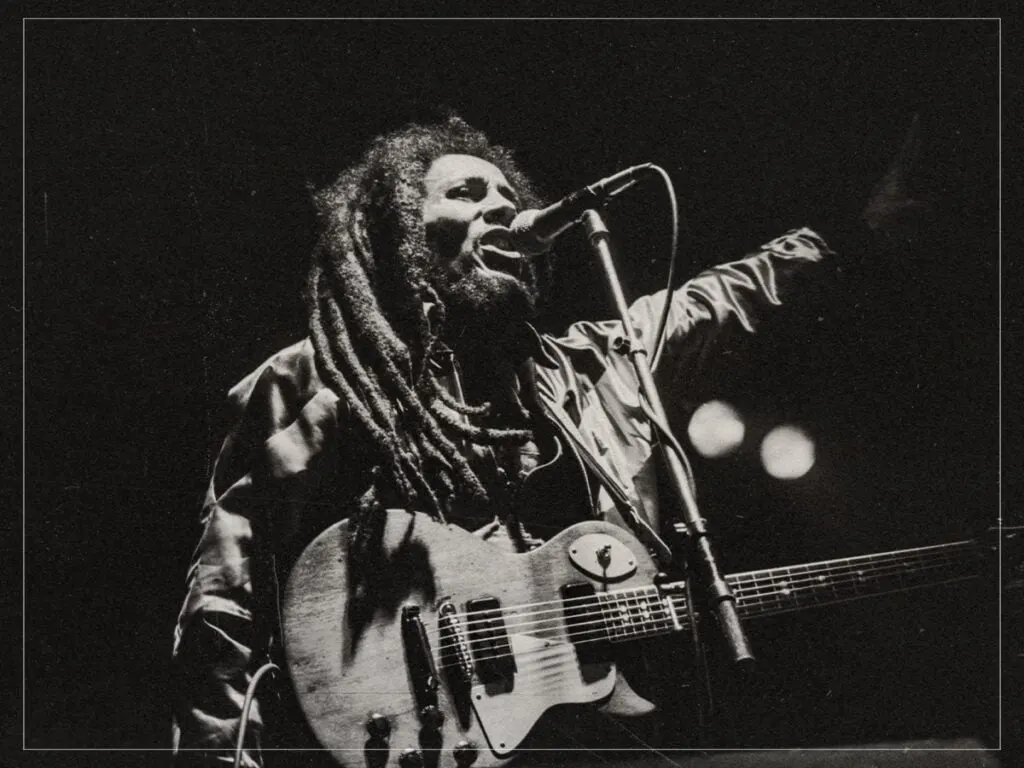
Two days after gunmen attacked Bob Marley’s Kingston home, he performed at the Smile Jamaica concert despite his injuries. The decision mattered because the event had become politically charged during an election campaign, and cancelling could also have been interpreted as taking a political side.
The attack injured Marley in the chest and arm, his wife Rita in the head, and manager Don Taylor, who was shot five times; nobody was killed. On 5 December, Marley sang for about an hour and a half before a reported crowd of more than 85,000, with Rita providing backing vocals while wearing a head bandage. He left Jamaica soon afterwards and did not perform there again until 1978.
- Marley performed two days after gunmen attacked his home.
- More than 85,000 people reportedly attended the concert.
- The politically charged event put his safety at risk.
New here? Start with this
Bob Marley was a Jamaican singer whose songs drew on reggae and Rastafarian beliefs. In the 1970s, Jamaica was experiencing political tension, with supporters of rival parties clashing during election campaigns.
The Smile Jamaica concert was planned as a public event in Kingston, but its timing made it politically sensitive. Marley was not a candidate or party leader, yet his appearance—or absence—could be read as support for one side.
The concert became part of the story of how music and politics overlapped in Jamaica. Marley’s departure from the country soon afterwards, and his return to perform in 1978, also shaped his relationship with audiences at home.
Both sides, in good faith
The strongest fair case each way — we don't pick a winner.
The case for
Performing despite his injuries could be seen as a courageous act of solidarity with Jamaicans seeking relief from political violence. Since the concert was intended to promote peace and had become politically charged, appearing may have shown that intimidation would not silence him or derail the event.
The case against
After an attack that injured him, his wife and his manager, Marley had good reason to put safety and recovery first. With an election campaign making the concert politically sensitive, performing could be interpreted as endorsing one side, potentially deepening tensions and exposing him and others to further danger.