Pete Townshend, the Sex Pistols and the drunken night that inspired the 1978 song ‘Who Are You’
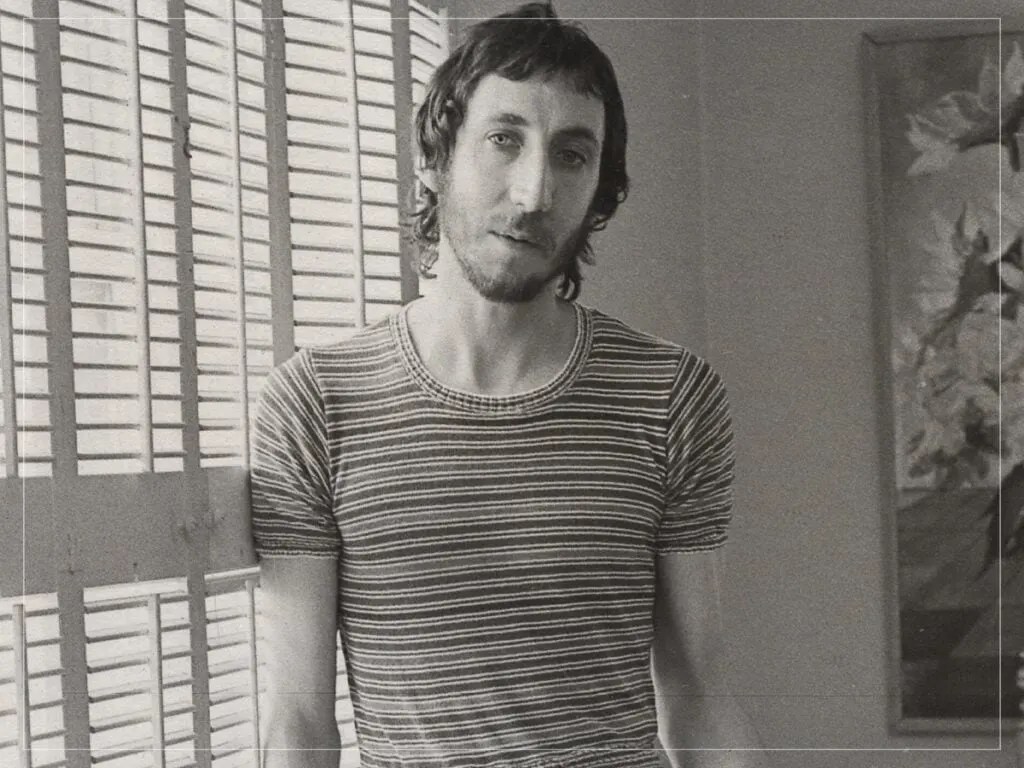
Pete Townshend’s frustration after a long meeting about The Who’s royalty earnings helped inspire the band’s 1978 song ‘Who Are You’. A night of drinking and an angry exchange with Sex Pistols members also fed into the song, which reflects his unease about growing older as music changed.
Townshend had spent about 12 hours with former manager Chris Stamp and businessman Allen Klein, then went to the Speakeasy Club, where he argued with drummer Paul Cook. He later said the song was more about the demands of new friendship than a hostile challenge, though Roger Daltrey’s forceful delivery made it sound more confrontational. Jones and Cook eventually became Townshend’s friends; the single reached 18 in the UK and 14 in the US.
- A royalty dispute meeting helped spark The Who’s ‘Who Are You’.
- Townshend’s drunken encounter with Sex Pistols members also shaped it.
- The 1978 single reached 18 in the UK and 14 in the US.
New here? Start with this
The Who were a British rock band formed in the 1960s, with Pete Townshend as guitarist and songwriter and Roger Daltrey as singer. By the late 1970s, punk bands such as the Sex Pistols were changing the sound and image of popular music, raising questions for older rock musicians about where they fitted in.
Townshend has linked the song’s origins to a long discussion over The Who’s royalties with former manager Chris Stamp and businessman Allen Klein, followed by a night out at London’s Speakeasy Club. There he argued with Sex Pistols drummer Paul Cook; Cook and guitarist Steve Jones later became his friends.
The song reflects Townshend’s thoughts about age, friendship and a changing music scene. Its significance lies partly in that mix of personal uncertainty and a period when punk and established rock acts were coming into contact.