Court overturns heritage order blocking proposed NSW gold mine tailings dam
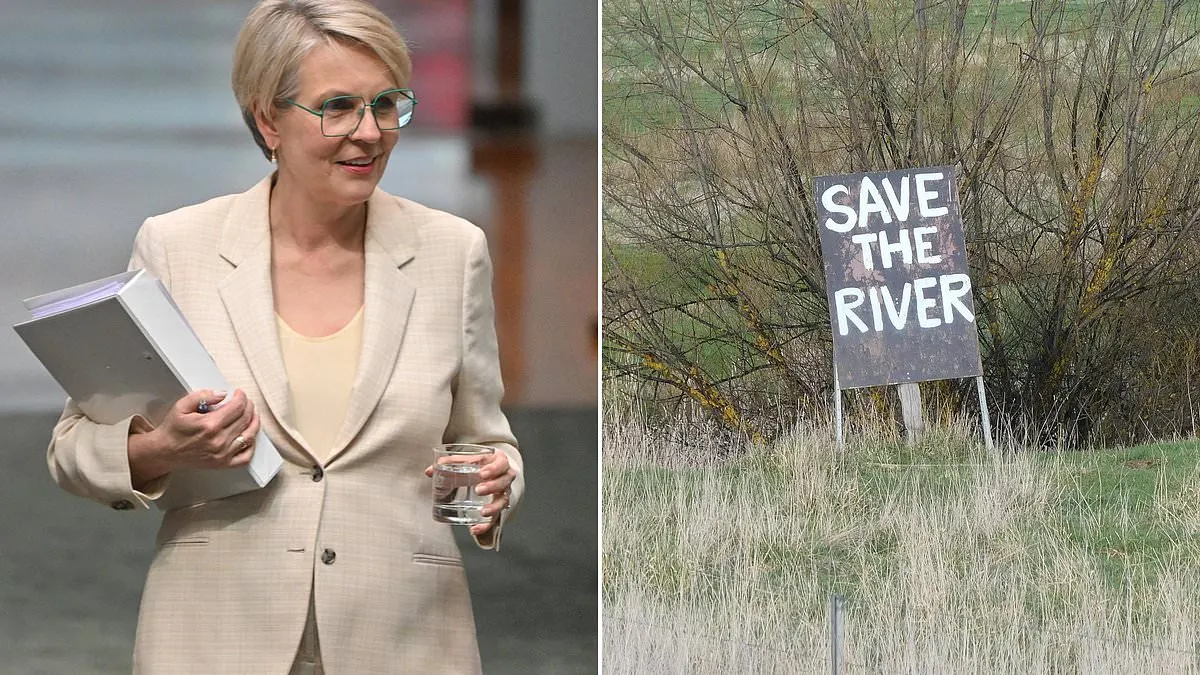
A Federal Court judge has overturned an Aboriginal heritage protection order that had blocked a proposed tailings dam for Regis Resources’ McPhillamys gold mine near Blayney, central western NSW. The ruling is a significant step towards the $1 billion project proceeding, but it does not approve the mine: the application will return to the federal government for reconsideration.
The order was made in 2024 after Wiradyuri Traditional Owners sought protection for the Belubula River headwaters and springs, which they regard as central to creation stories. NSW approved the mine in 2023 following consultation with the Orange Local Aboriginal Land Council. Regis says the government’s review could take time and it will continue planning to process waste at another site; the company says the project has already lost more than two years. Blayney’s mayor estimates the stalled project has cost the town of about 3,000 people up to $8 million in rates, while opponents have raised concerns about land use, habitat, pollution, traffic and noise.
- Court overturns the heritage protection order for the proposed mine site.
- Federal government must reconsider the application.
- The project remains contested over cultural and environmental concerns.
New here? Start with this
The McPhillamys project is a proposed gold mine near Blayney in central western New South Wales, planned by mining company Regis Resources. A tailings dam is designed to store the leftover rock and waste produced when ore is processed.
Wiradyuri Traditional Owners sought federal protection for springs and the headwaters of the Belubula River, places they connect with creation stories. The protection order was made in 2024; the mine had received state approval the year before, following consultation with the Orange Local Aboriginal Land Council.
The dispute concerns how to weigh protection of heritage and the local environment against a project’s economic effects. Blayney’s mayor has estimated the delay has cost the town up to $8 million in rates, while opponents have also raised concerns about land use, wildlife, pollution, traffic and noise.
Both sides, in good faith
The strongest fair case each way — we don't pick a winner.
The case for
Supporters of overturning the protection order can argue that a court should ensure such orders follow the law and weigh evidence consistently, while leaving the federal government to reconsider the application. They may also point to the project’s potential jobs, investment and local revenue, and to the time and costs incurred while it remains stalled.
The case against
Opponents can argue that protecting the Belubula River headwaters and springs matters because Wiradyuri Traditional Owners regard them as culturally significant, and damage to a sacred place may be irreversible. They may also stress unresolved concerns about pollution, habitat, land use, traffic and noise, and argue that economic benefits do not settle whether the mine should proceed.
Read the full article at the source →
Originally published by Daily Mail as “Major court win for gold mine that Tanya Plibersek blocked because of its place in Aboriginal creation stories”.