Reynolds rules out UK tariffs on Chinese vehicles ahead of EU summit
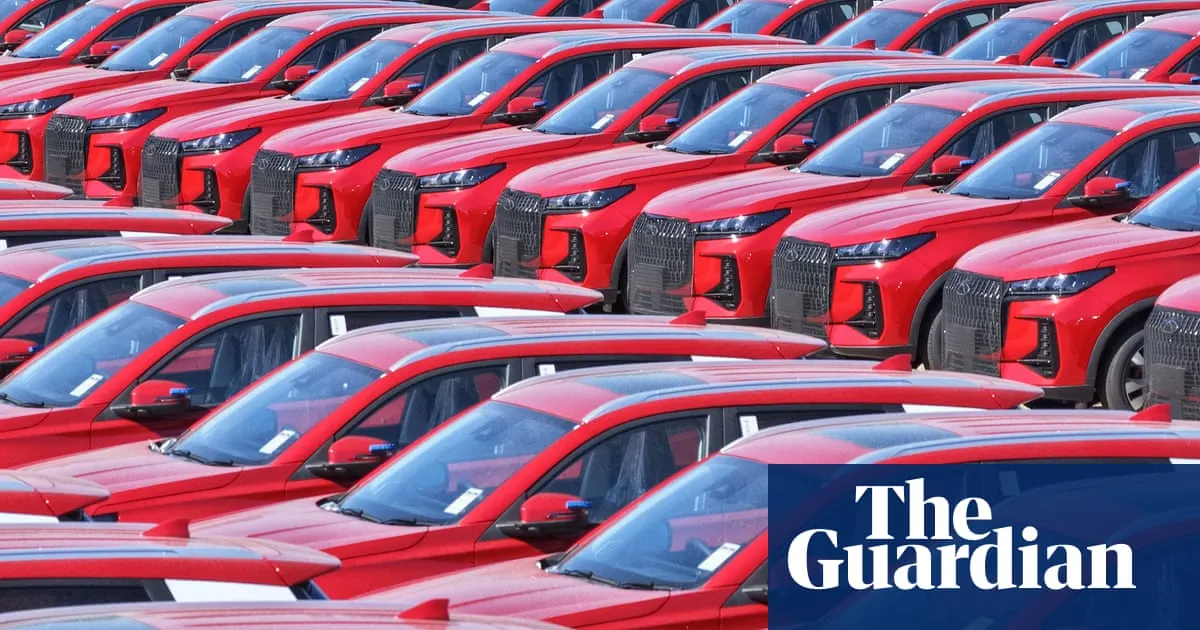
Business secretary Jonathan Reynolds says the UK will not impose tariffs on Chinese vehicles simply to satisfy EU demands, arguing that trade decisions should be based on Britain’s own interests. His position exposes differences over trade and industrial policy as the UK and EU prepare for a summit intended to improve relations.
The EU has imposed tariffs of up to 45% on Chinese electric cars and agreed a quota of 350,000 Chinese hybrid cars a year. Reynolds said the UK’s export-led car industry and the risk of Chinese retaliation, which could hurt firms such as Jaguar Land Rover, must be considered; he also rejected claims that Chinese vehicles are being made in Britain to bypass EU rules. The summit is due to take place in Brussels on 20 November, where British officials hope to influence proposed European trade rules.
- Reynolds rejects EU pressure for UK tariffs on Chinese vehicles.
- The EU charges tariffs of up to 45% on Chinese electric cars.
- UK officials hope to shape proposed European trade rules.
New here? Start with this
The UK and EU set their own trade rules, but decisions on tariffs can affect businesses and prices on both sides. The EU has put tariffs of up to 45% on Chinese electric cars and set a yearly quota for Chinese hybrid cars.
Britain’s car industry relies heavily on exports, and some UK firms also sell into China, so trade measures could bring risks as well as protect local manufacturers. The UK and EU are discussing closer relations and rules that may affect trade between them, making their differing approaches to Chinese vehicles relevant to both sides.
Both sides, in good faith
The strongest fair case each way — we don't pick a winner.
The case for
The UK should decide tariffs according to its own economic interests rather than align automatically with EU policy. With an export-led car industry, Britain could expose firms such as Jaguar Land Rover to Chinese retaliation, while the claim that Chinese vehicles are being made in Britain to evade EU rules has been rejected.
The case against
Tariffs could help protect European carmakers from competition that policymakers regard as unfair and give the industry time to adjust to the shift towards electric vehicles. If the UK stays outside a common approach, it may also weaken coordination with the EU on trade rules and make it harder to address concerns about Chinese imports.
Business Europe Government Politics UK World
Read the full article at the source →
Originally published by The Guardian as “UK will not put tariffs on Chinese vehicles, says Jonathan Reynolds”.