New team to save Antarctic port from climate change
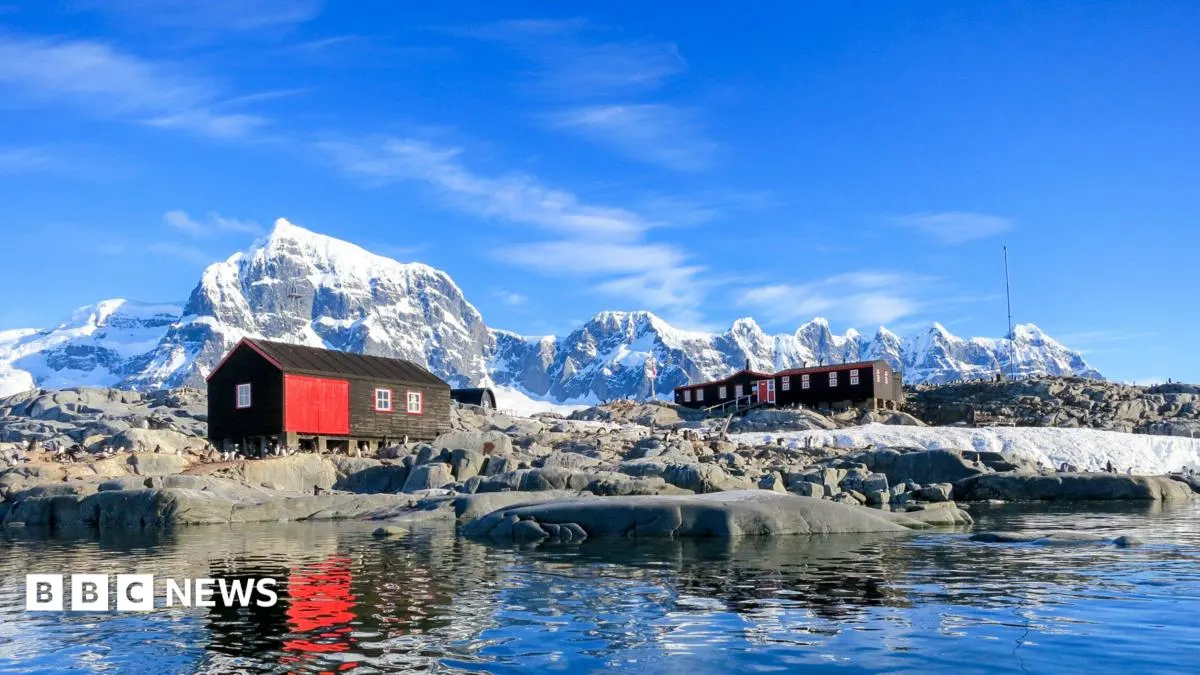
A UK conservation team is travelling to Antarctica to protect Port Lockroy, a British science base and heritage site increasingly threatened by warming temperatures and extreme weather. The work matters because the buildings are deteriorating, while the site is also home to more than 1,000 gentoo penguins and a post office visited by thousands of cruise passengers.
Eight team members will spend five months at Port Lockroy installing supports against heavier snow and precipitation, and counting penguin nests, eggs and chicks. A separate six-person field team will survey Wordie House, where one of Antarctica’s longest-running climate records began in 1947; the Antarctic Peninsula has since become one of the planet’s fastest-warming regions.
- A UK team is reinforcing climate-threatened Port Lockroy.
- The team will also monitor more than 1,000 gentoo penguins.
- A separate survey will examine historic Wordie House.
New here? Start with this
Port Lockroy is a small British-run site on the Antarctic Peninsula. It began as a research base and is now also a heritage site, with historic buildings and a post office used by visitors on cruise ships.
The Antarctic Peninsula has warmed rapidly, bringing heavier snow and precipitation that can damage buildings. Port Lockroy is also home to more than 1,000 gentoo penguins, so changes at the site matter for wildlife as well as its history.
Nearby Wordie House is linked to a climate record that began in 1947. Long-running observations there help scientists understand how conditions in Antarctica have changed over time.