Russell T Davies criticises BBC boss’s ‘clumsy’ AI Doctor Who comments
Developing story first seen 4 hours ago
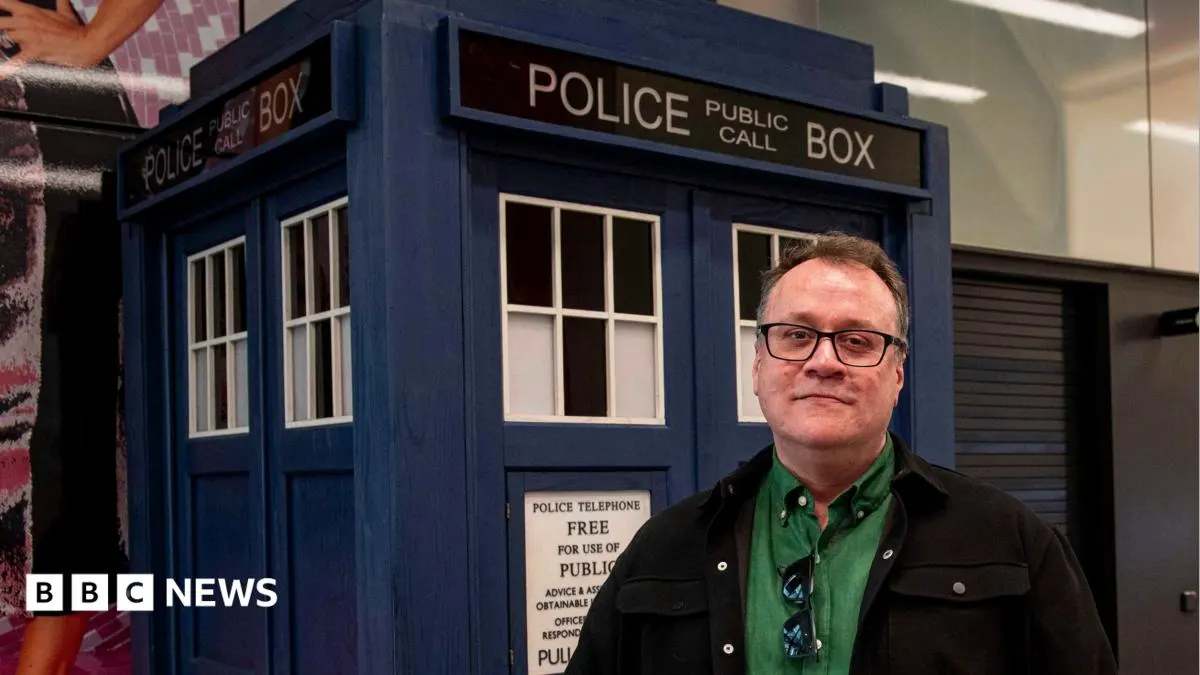
Davies has expanded his criticism of AI use in television, saying he would be shocked if writers used AI prompts to produce a first draft and asking what such writers would be paid to do. He said he does not use AI to write scripts and worries it could replace writers, while acknowledging that may already be happening in some cases.
The comments follow BBC director general Matt Brittin describing an unofficial, AI-generated 50-minute Doctor Who episode as “pretty good”. Brittin later said he had meant to illustrate the pace of technological change and stressed that human creativity would remain central to the BBC. Davies also said a new Doctor Who series is planned, with a new Doctor and companion expected to begin production next summer, though he will not be involved.
- Davies says AI-written first drafts would be shocking.
- He worries AI could replace television writers.
- A new Doctor Who series is planned for next summer.
New here? Start with this
Doctor Who is a long-running BBC science-fiction series about an alien time traveller known as the Doctor, who explores the universe with human companions. Russell T Davies is a television writer who has worked on the programme as its lead writer and producer.
Artificial intelligence tools can generate text and images, raising questions about how they may affect creative work. Writers and artists have raised concerns about jobs, ownership and whether AI-made material can match human work; broadcasters such as the BBC must weigh these issues as the technology develops.
The BBC is Britain’s public service broadcaster, and its director general leads the organisation. Comments from senior BBC figures about AI can matter to people who make programmes, as well as to audiences concerned about how the broadcaster will use the technology.
Both sides, in good faith
The strongest fair case each way — we don't pick a winner.
The case for
Davies’s criticism reflects a reasonable concern that praising an AI-generated episode may signal that machine-made work is an acceptable substitute for writers and artists whose livelihoods and creative contribution are at stake. In a publicly funded broadcaster, leaders have particular reason to communicate carefully about technology that could weaken professional standards or employment.
The case against
Brittin’s comment can be understood as an attempt to acknowledge how quickly AI is advancing, rather than to endorse replacing human creators. Exploring AI-generated work may help the BBC understand the technology’s capabilities and limits, while his assurance that human creativity will remain central addresses concerns about its role.