cool kids are writing in all lowercase now. does that make you mad?
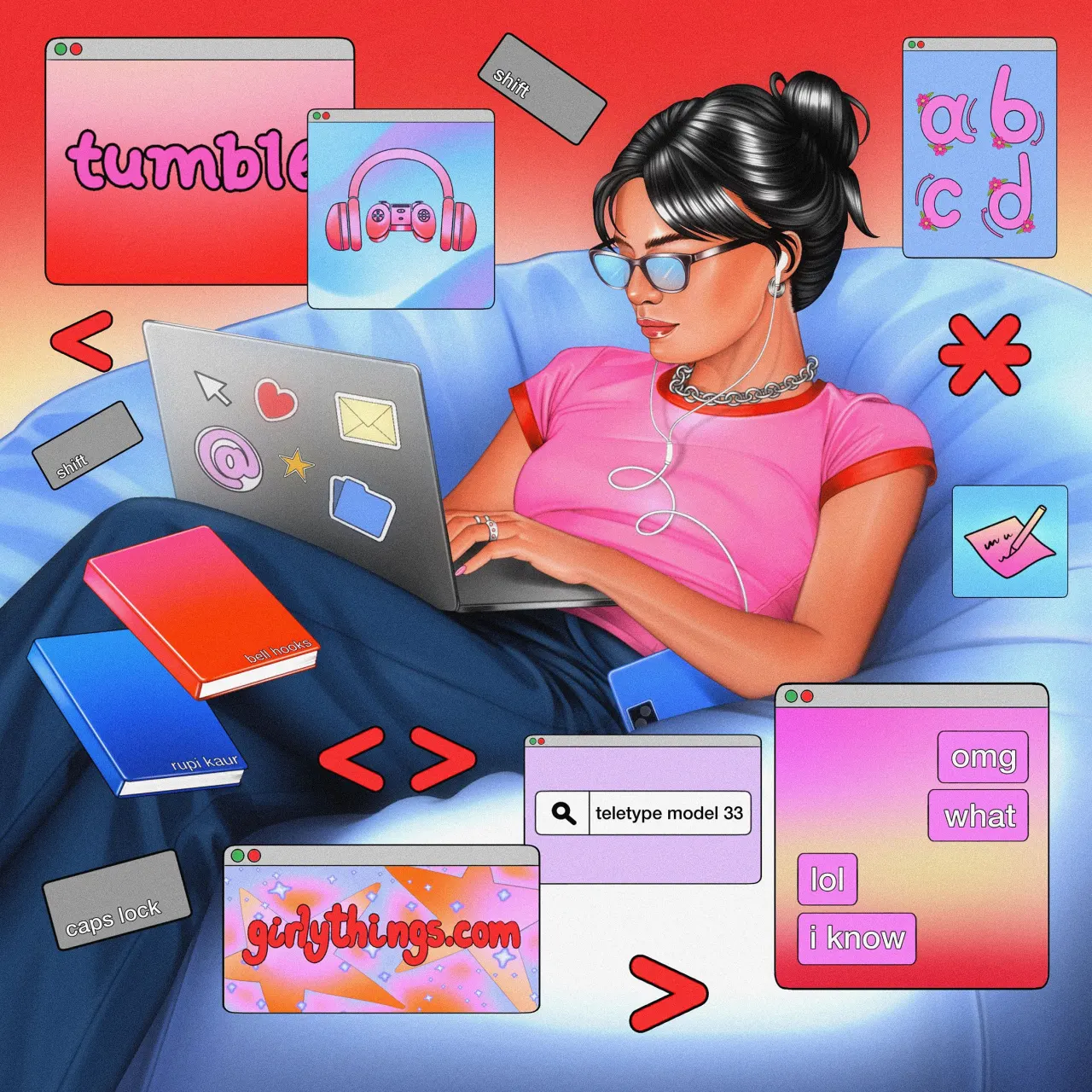
Writing in all lowercase has become a visible online style, often associated with informality and young women’s internet culture. The article argues that this association leaves out a longer, less polished history of lowercase writing in online communities.
Rayne Fisher-Quann links lowercase to feminist Tumblr and says it can make personal writing feel less self-important and less open to criticism. Earlier examples include the JustGirlyThings blog and Rupi Kaur’s poetry; Kaur’s *Milk and Honey* sold ten times as many copies as the next best-selling poetry title, *The Odyssey*, in 2016. Internet linguist Adam Aleksic points to 4chan, where lowercase and improvised text-markup conventions are also common.
- Lowercase writing has many online roots.
- It can signal femininity, informality or vulnerability.
- 4chan users also commonly write in lowercase.
New here? Start with this
Lowercase writing is one way people signal tone online. It can feel informal or personal, and has been associated with young women’s internet culture, though it is used in many online communities.
Writer Rayne Fisher-Quann has linked the style to feminist Tumblr, where lowercase can make personal writing seem less formal and less exposed to criticism. Earlier examples include the JustGirlyThings blog and the poetry of Rupi Kaur, whose book Milk and Honey sold strongly in 2016.
Internet linguist Adam Aleksic has also pointed to 4chan, a very different online community where lowercase and improvised text conventions are common. These examples place the style in a wider history of internet writing, rather than tying it to one group or moment.
Both sides, in good faith
The strongest fair case each way — we don't pick a winner.
The case for
Lowercase writing can make online communication feel intimate, informal and less self-important, especially when people are sharing personal or vulnerable thoughts. Its links to feminist and other online communities also show how a style often dismissed as careless can help people express themselves on their own terms.
The case against
Standard capitalisation makes writing easier to scan and can signal care, clarity and respect for readers, so an all-lowercase style may feel harder to read or needlessly casual in some contexts. Because the convention appears across very different online communities, treating it as a meaningful marker of one culture or identity can also oversimplify how people use it.