Warner Bros.’ Paramount Merger Makes Hollywood’s Franchise Problem Even Bigger
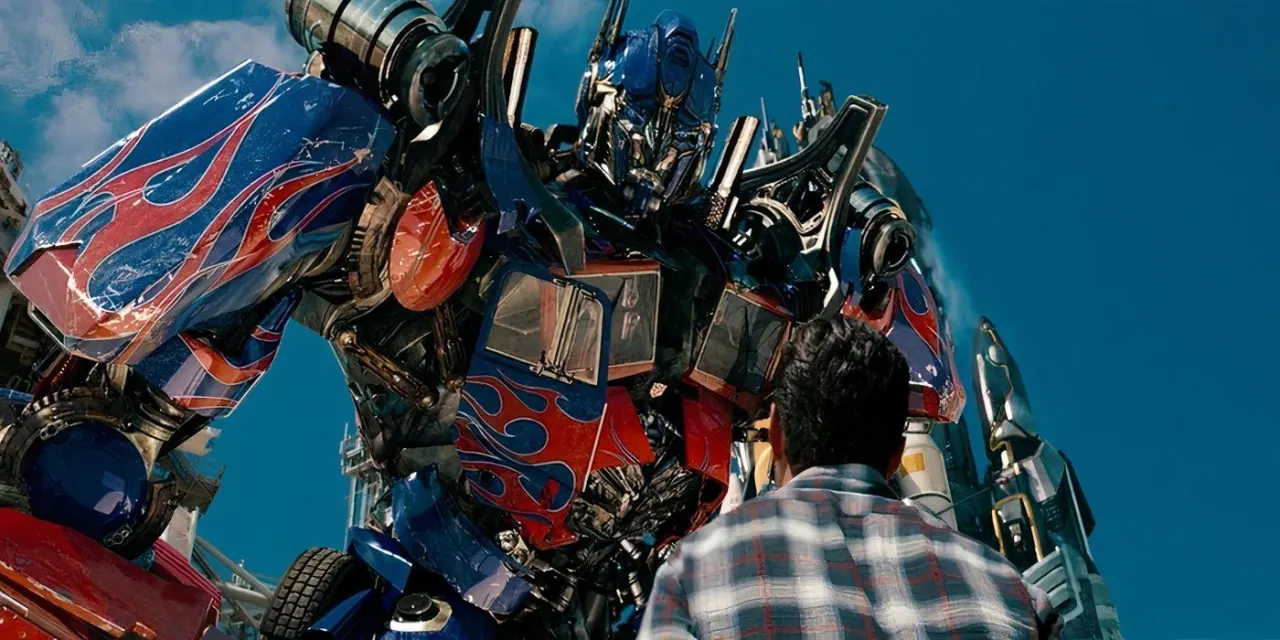
Paramount and Warner Bros.’ merger, now operating as Skydance, has raised concerns that Hollywood will lean even more heavily on established franchises. The article argues that this could undermine a recent audience appetite for original films and reduce creative freedom as the combined studio seeks reliable returns.
The merged company controls properties including Transformers, DC Comics, Harry Potter, Star Trek, Middle-earth and Barbie, with projects such as a new Transformers film already reported. Warner Bros. had also backed original films including Sinners, Weapons and One Battle After Another, alongside costly commercial failures; the article suggests that the merger’s financial pressures may make such risks less likely.
- The merger brings major Hollywood franchises under one studio.
- A new Transformers film is already being developed.
- The article warns original films could lose ground.
New here? Start with this
Paramount and Warner Bros. are major film and television studios, now part of a company operating as Skydance. Studios finance and distribute films, and often rely on familiar series and characters that already have large audiences.
The combined company owns or controls franchises such as Transformers, DC Comics, Harry Potter, Star Trek, Middle-earth and Barbie. It has also supported original films, which tell new stories rather than continuing an established series.
Franchise films can offer studios more predictable returns, while original films may be harder to judge in advance. The balance matters to what gets made and how much room filmmakers have to take creative risks.
Both sides, in good faith
The strongest fair case each way — we don't pick a winner.
The case for
A larger combined studio with more established franchises may have stronger incentives to favour familiar properties, which can narrow the space for original films and give creators less room to take risks. Recent audience interest in original releases, alongside the studio’s support for films such as Sinners and One Battle After Another, suggests that leaning further on franchises could sacrifice opportunities to build new hits and creative voices.
The case against
Franchises can provide dependable audiences and revenue in a costly, uncertain film business, helping a merged studio manage risk and fund a broader slate. Their popularity does not rule out original work, and a stronger portfolio could give the company resources to support both established series and new films while responding to what audiences choose to watch.